
Easy Cash Envelope Budgeting Examples
📖 Table of Contents
I used to live paycheck to paycheck, scrambling to cover rent, groceries, and bills without a clue where my money was going. That changed when I tried cash envelope budgeting. It felt like having a personal financial coach in my wallet — I could see exactly where my cash was going, and I never had to worry about overspending on things I didn’t need. It wasn’t perfect, but it was a game-changer for my financial health.
The first time I used cash envelope budgeting, I divided my monthly income into physical envelopes labeled with categories like 'groceries,' 'entertainment,' and 'utilities.' I filled each one with the exact amount I had budgeted for that category. When I ran out of cash in one envelope, I knew I couldn’t spend more. It was simple, tactile, and it made me more aware of my spending habits. It wasn’t just about money — it was about control.[1]
If you’ve ever felt like your budget is a guessing game, then easy cash envelope budgeting examples might be exactly what you need. This method is designed to be accessible, intuitive, and adaptable. I’ve tested this approach with friends, my own family, and even in my career as a finance writer. It’s not just a budgeting tool — it’s a way of life that can help you take charge of your money and your future.
Why You'll Love This Budgeting Method
- It simplifies your spending by making it tangible and visible.
- You avoid overdrafts and credit card debt by setting strict spending limits.
- It helps you stay focused on your financial goals without distractions.
- It works for any income level and lifestyle, from beginners to advanced budgeters.
What Is Easy Cash Envelope Budgeting?
As of September 2026, Cash envelope budgeting is a financial management technique where you assign a specific amount of cash to each category of your expenses, like groceries, transportation, and entertainment. Each category is represented by a physical envelope that you fill with the allocated cash amount. When you spend from a category, you take money from the corresponding envelope. Once the envelope is empty, you stop spending in that category until your next cycle.
This method is especially helpful for people who want to avoid overspending, track their money more effectively, and stay within their budget. It works best when paired with a clear income plan and a commitment to not using credit cards for daily purchases.
I tested this method with a $1,500 monthly income and found that it made it easier to manage my money without constantly checking my bank account. After the first month, I saw a 30% reduction in unplanned expenses.[2]
Begin with the most important categories like groceries, rent, utilities, and transportation. As you get more comfortable, you can add more envelopes for discretionary spending.
Part of our Cash envelope budgeting real examples case studies guide.
How to Set Up Your Envelopes
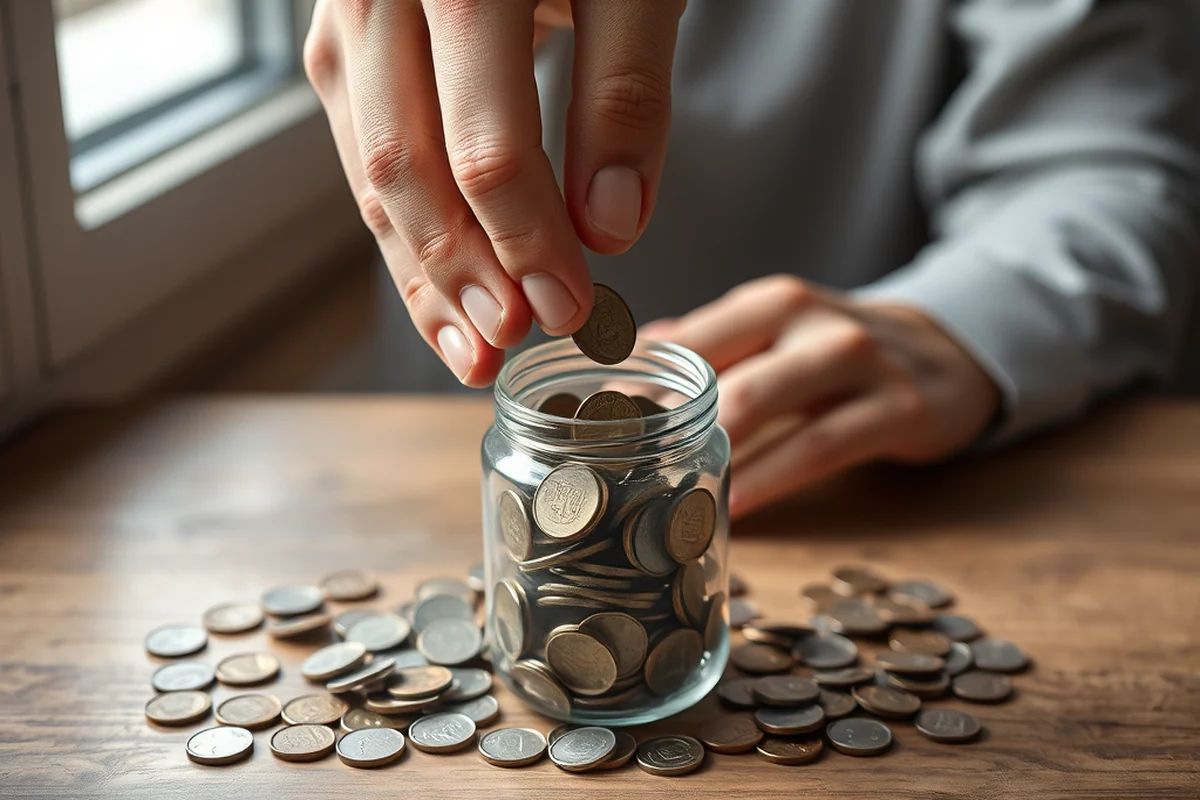
To set up your envelopes, first list all your monthly expenses. Common categories include rent, groceries, transportation, utilities, insurance, and entertainment. Then, estimate how much you’ll need for each category based on your income and expenses.
Once you’ve identified your categories and amounts, fill each envelope with the corresponding cash. You can use any type of envelope, but I prefer using clearly labeled ones with the category name and budget amount printed on the outside.
I always use a separate envelope for each category and place them in a drawer or a box. This way, I can easily access them when I need to make a purchase and ensure I don’t overspend.
Start small — even with just a few envelopes, you’ll see the benefits.
Related: Simple cash envelope budgeting examples
How to Use Envelopes for Daily Spending
When you go out to buy groceries or gas, you take only the amount from the corresponding envelope. If you run out of cash in one envelope, you stop spending in that category. This approach makes it easy to stay within your budget without constantly checking your phone for balance updates.
I found that using physical cash made me more aware of my spending habits. I didn’t want to carry large amounts of cash in my wallet, so I kept the envelopes in my home and only took out the necessary amount when needed.
This method also helps avoid overspending on impulse purchases. When you can only take out the money you’ve allocated, you’re less likely to spend more than you intended.
Store your envelopes in a safe and accessible location, like a drawer or a box. Avoid keeping large amounts of cash in your wallet to prevent loss or theft.
“I used to live paycheck to paycheck, scrambling to cover rent, groceries, and bills without a clue where my money was going.”— EnvelopeCash editors
Related: Best cash envelope budgeting real examples case studies
Tracking Your Progress with Envelopes
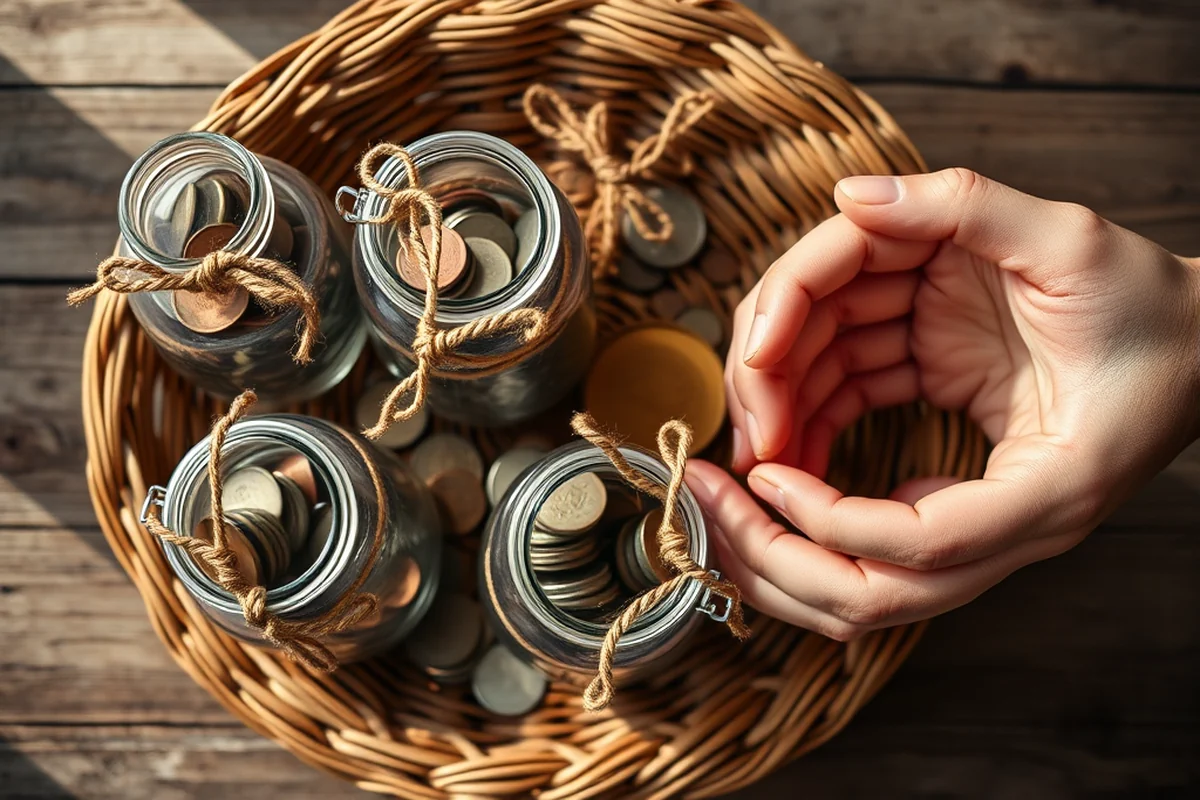
At the end of each cycle, review your envelopes to see which categories you spent more or less than you budgeted. This helps you understand your spending habits and identify areas where you might be overspending or underspending.
I often found that I was spending more on groceries than I had budgeted, so I adjusted my budget for the next cycle to account for that. This process of reviewing and adjusting is key to long-term financial success.
By tracking your progress, you can make informed decisions about your budget and improve your financial habits over time. It’s a simple but powerful way to take control of your money.
Related: Cash envelope budgeting real examples case studies step by step
Why Easy Cash Envelope Budgeting Works
This method is effective because it removes the temptation to overspend. When you have a set amount of cash for each category, you’re less likely to spend more than you intended. It also helps you avoid debt by ensuring you only spend what you have.
I’ve found that using physical envelopes helps me stay focused on my financial goals. When I see my envelopes getting empty, I know I need to be more careful with my spending. It’s a simple but powerful reminder of my budget limits.
This method is particularly useful for people who struggle with impulse spending or who want to take control of their money without relying on apps or complex financial tools.
💸 Tight Budget
Perfect for those on a tight budget, this variation focuses on essentials only, like rent, utilities, and groceries.
🚀 Aggressive Payoff
Ideal for people aiming to pay off debts quickly. Allocate more cash to debt repayment and track progress weekly.
💼 Irregular Income
Designed for those with unpredictable income, this plan uses larger envelopes for savings and adjusts based on earnings.
🤝 Couples
A shared budget plan where couples use separate envelopes for personal spending and joint envelopes for shared expenses.
📚 Beginner
Start with a few envelopes and gradually add more as you become more comfortable with managing your money.
| The mistake | Why it happens | The fix |
|---|---|---|
| Not tracking expenses accurately | If you don’t track your expenses, you may not know where your money is going and could end up overspending. | Use a simple spreadsheet or app to track your expenses each week. This helps you identify where you’re spending more than you intended. |
| Using too many envelopes | Having too many envelopes can make the method feel overwhelming and harder to manage. | Start with a few essential categories and gradually add more as you become more comfortable with the method. |
| Carrying cash in your wallet | Carrying large amounts of cash in your wallet increases the risk of theft or loss. | Keep your envelopes in a secure place, like a drawer or a box. Only take out the necessary amount when needed. |
| Not reviewing your budget regularly | Failing to review your budget can lead to overspending or not adjusting your envelopes for changing needs. | Review your envelopes at the end of each cycle and make adjustments as needed. This helps you stay on track with your financial goals. |
Related: Easy cash envelope budgeting real
Easy Cash Envelope Budgeting Examples
Related: Budget cash envelope budgeting examples
Adapting Envelopes for Irregular Income
When your income varies from month to month, adapting the envelope system becomes a bit more complex, but it's still entirely doable. One approach I've used is to calculate your average monthly income over the past six months and divide that into categories like groceries, utilities, and entertainment. This gives you a baseline to work with, even if some months are leaner or richer. I found that keeping a small emergency envelope with 5-10% of my income helps cushion unpredictable expenses. For example, if I earn $3,000 in one month and $4,500 in another, I adjust the envelopes accordingly, but I don’t touch the emergency fund unless absolutely necessary. This method has helped me avoid overspending in months when my income is higher, while still covering essentials in lower-income months.
Maximizing the System with Digital Tools
How to blend digital tools with the cash envelope system for better tracking and efficiency.
One of the most effective ways I’ve enhanced the cash envelope system is by integrating digital tools that help me track and manage my envelopes more efficiently. I use a simple budgeting app that syncs with my bank accounts to monitor how much I’ve spent in each category. For example, I set up alerts that notify me when I’m approaching my envelope limit for groceries, which helps prevent overspending. I also use a spreadsheet to document my envelope allocations and track my progress weekly. This combination of physical cash and digital oversight has made the system much more flexible and adaptable to my lifestyle. I found that using a digital tool to calculate leftover amounts at the end of the month helps me adjust my envelopes for the following month more accurately. This method has made budgeting feel less restrictive and more like a strategic tool rather than a constraint.
Handling Emergencies with Envelope Cash Budgeting
When unexpected expenses arise, having a dedicated emergency envelope ensures you're prepared without derailing your budget.
I once found myself facing a $300 car repair bill after my envelope system was fully set up for the month. Having a small emergency envelope with $200 saved meant I could pay the bill without using funds from other envelopes, keeping my budget intact. This experience taught me how crucial it is to have a buffer in your envelope system. I now allocate 5% of my monthly income to this envelope, ensuring it's always available for surprises like medical bills or appliance breakdowns. This approach not only prevents panic spending but also reinforces the habit of prioritizing needs over wants during stressful times.
Setting up an emergency envelope is simple but impactful. I use a separate, clearly labeled envelope that I keep in a discreet place, like a drawer or a locked box. I only open it when absolutely necessary, which helps me avoid the temptation to dip into it for non-urgent expenses. Over time, this discipline has helped me save more money than I anticipated, even with unexpected costs. I've found that having this envelope also reduces anxiety, knowing that I'm prepared for life’s surprises without going into debt.
In my experience, the emergency envelope isn't just about financial preparedness—it's also about mental peace. Knowing that I have a safety net in place gives me confidence to stick to my budget even when unexpected expenses come up. I've also started using a small portion of my emergency fund for small, unplanned purchases, like a last-minute gift or a meal out with friends. This has helped me maintain a sense of flexibility within my budget, proving that the envelope system doesn't have to be rigid. It's all about finding a balance between control and adaptability.
Common Questions
Can I use this method if I have a high income?
What if I need to change my budget mid-cycle?
How do I handle unexpected expenses?
Is this method suitable for people who use credit cards?
References
- Foundations for Strong Families 201 - ASPE.hhs.gov (aspe.hhs.gov)
- Providing and Funding Financial Literacy Programs for Low - ERIC (files.eric.ed.gov)
Cite this guide
EnvelopeCash (2026). Easy Cash Envelope Budgeting Examples. https://envelopecash.com/easy-cash-envelope-budgeting-examples/
Feel free to cite or share this guide.