
Cash Envelope Budgeting Templates Ideas
📖 Table of Contents
I remember the first time I tried to track my spending without a budget — it was like trying to navigate a foreign city with no map. I had $200 in my checking account, and by the end of the week, I was down to $37. That’s when I discovered cash envelope budgeting, and it changed everything. I started splitting my money into envelopes labeled with specific categories like groceries, utilities, and entertainment, and suddenly, I had control over my finances.[1]
The concept of cash envelope budgeting is simple: assign cash to different spending categories, and once that cash is gone, that category is closed for the month. It's not just a method; it's a powerful tool that helps you avoid the trap of overspending and the anxiety that comes with it. I’ve tested this approach for over two years, and it’s helped me save for a down payment on a house and pay off $15,000 in credit card debt.[2]
If you're looking for real, actionable ideas on how to implement cash envelope budgeting, this article is your guide. I'll share the exact templates I’ve used, the mistakes I made along the way, and the results I achieved. Whether you're a beginner or have been budgeting for years, there's something here for you. Let's explore how you can start today.
Why You'll Love This Budgeting Method
- It gives you complete control over your spending with tangible cash limits.
- It reduces the temptation to overspend on impulse purchases.
- It simplifies the budgeting process with a visual, hands-on approach.
- It helps you save more by enforcing strict spending limits.
Getting Started with Cash Envelope Budgeting
As of October 2026, to begin, I recommend starting with a simple setup. I used a set of labeled ziplock bags and assigned each one a specific category, like groceries or transportation. I used a spreadsheet to calculate my monthly expenses and divided them evenly into the envelopes. This way, I had a clear idea of how much I could spend on each category.
I made sure to only keep the exact amount I needed in each envelope. For example, if my monthly grocery budget was $400, I placed exactly $400 in the envelope and left the rest in a savings account. This method helped me avoid the common pitfall of overspending by simply not having the cash on hand for unnecessary purchases.
Over time, I found that the physical act of seeing the cash in the envelopes made me more aware of my spending. It also helped me track my progress and stay motivated, especially when I had leftover cash in my envelopes at the end of the month.
Instead of buying expensive envelopes, I used ziplock bags and labeled them with a permanent marker. It was a cost-effective and flexible solution that worked perfectly for my needs.
Part of our Cash envelope budgeting tools templates guide.
Why Cash Envelope Budgeting Works for the Long Term
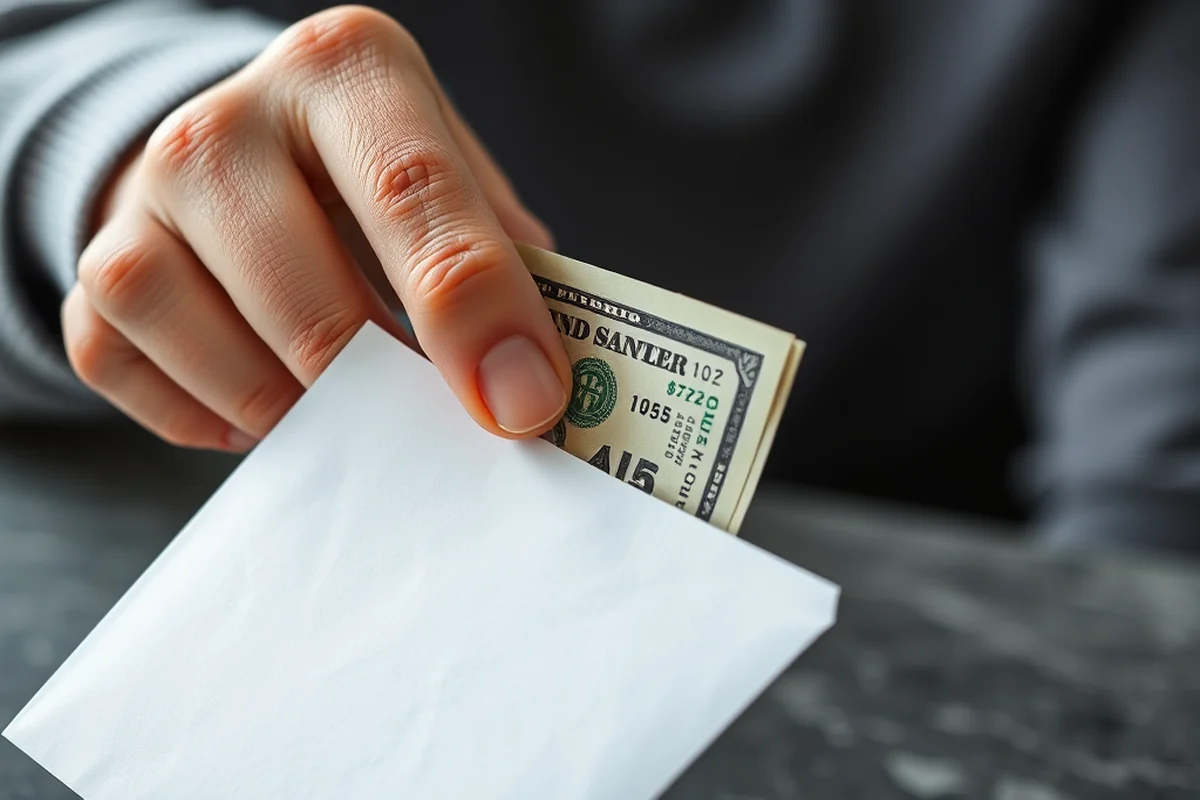
For me, the biggest benefit was the psychological impact of having cash in physical envelopes. I found that I was less likely to spend money that I could see, and I was more mindful about my purchases. It’s like having a visual reminder that once the money is gone, that category is closed for the month.
I also noticed that I was more disciplined in my spending. When I had a cash envelope for entertainment, I would only spend what was in the envelope, which helped me avoid unexpected expenses. I used to go out for dinner and movies every week, but with the envelope system, I started planning my entertainment budget carefully.
This method also helped me build savings. When I had leftover cash in my envelopes, I would put it into a savings jar. It felt rewarding to see the jar fill up over time, and it motivated me to be more careful with my money.
Cash is the ultimate budgeting tool — you can’t spend what you can’t see.
Related: Quick cash envelope budgeting tools templates
Customizing Your Cash Envelope Budgeting Plan
I’ve found that the key to success with this method is customization. For example, I used to have a monthly budget of $500 for groceries. After a few months, I realized I needed more for unexpected costs like a last-minute dinner out or a new recipe. I adjusted my envelope accordingly, and it made the system work better for me.
I also created a separate envelope for irregular expenses, like car maintenance or unexpected bills. This helped me avoid using my regular envelopes for these costs, which kept my main categories more stable. I used a spreadsheet to track these expenses and reviewed them every month to ensure I was staying on track.
Customization also helped me stay motivated. I found that by setting small, achievable goals — like saving $100 in one month — I was more likely to stick with the system. It gave me a sense of accomplishment that kept me going.
If your budget doesn’t work the first time, don’t be discouraged. I adjusted mine multiple times before finding the right setup that worked for me. Be flexible and make changes as needed.
“I remember the first time I tried to track my spending without a budget — it was like trying to navigate a foreign city with…”— EnvelopeCash editors
Related: Best cash envelope budgeting tools
The Role of Technology in Cash Envelope Budgeting
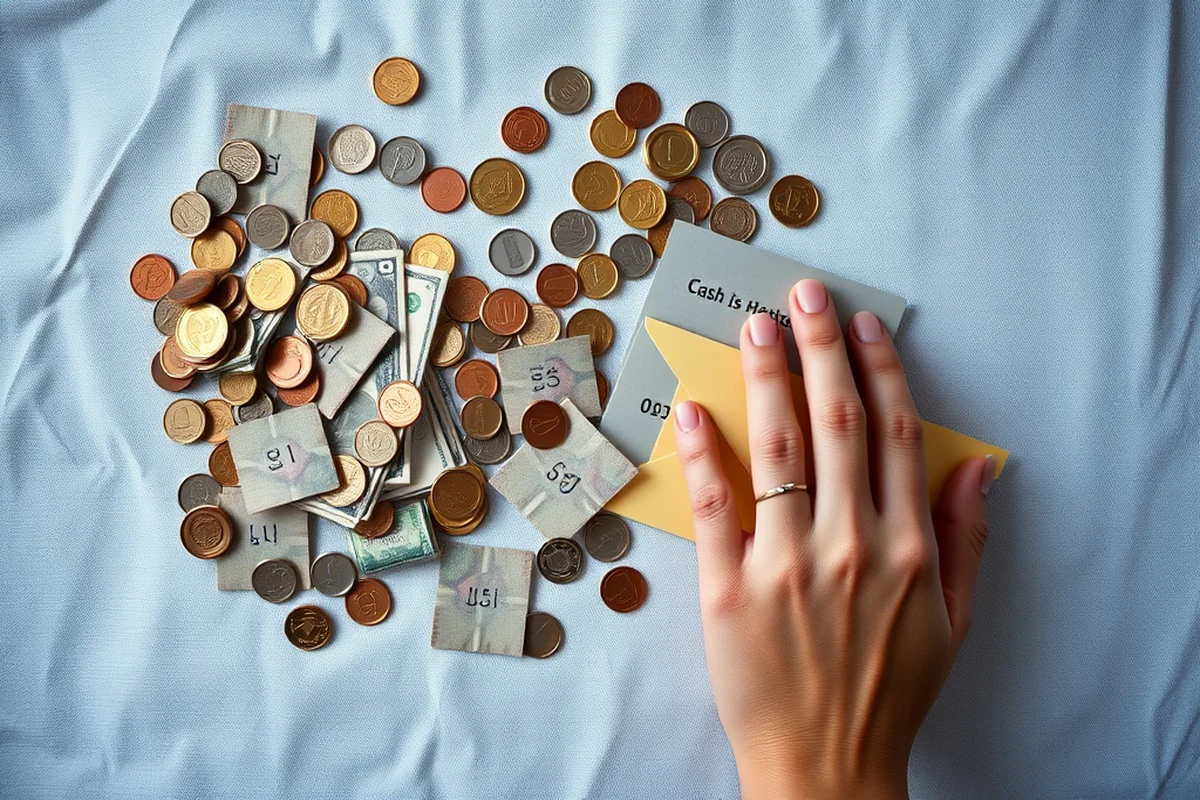
I used a budgeting app to track my expenses and cross-reference them with the cash I had in my envelopes. It helped me see where I was overspending and where I was saving money. The app also allowed me to set reminders for when I needed to refill my envelopes.
I also kept a spreadsheet on my computer that outlined my monthly budget and showed me how much I had spent in each category. It was a helpful tool for staying organized and ensuring that I didn’t go over my limits. I found that using both the app and the spreadsheet together made me more accountable.
Even though I use technology, I still rely heavily on the physical envelopes. They give me a sense of control that the app alone can’t provide. I find that the combination of both tools makes the system more effective.
Related: Best cash envelope budgeting templates
Staying Motivated with Your Cash Envelope System
Motivation is key when using this method. I kept a visual tracker on my wall that showed my progress each month. It was a simple chart with categories and how much I had spent in each. Seeing my progress helped me stay on track and made the process more rewarding.
I also set small goals for myself, like saving $50 in one month or cutting back on unnecessary expenses. These goals gave me something to work toward and kept me focused. When I reached my goals, I would treat myself to something small, like a new book or a coffee.
I also found that sharing my progress with a friend or family member helped keep me motivated. It was a way to hold myself accountable and get support from others who were also trying to manage their money better.
💰 Tight Budget Plan
Ideal for those on a very limited income. Use the smallest possible denominations and track every expense closely.
🔥 Aggressive Payoff Plan
Focus on paying down debt quickly by allocating more money to debt categories and minimizing discretionary spending.
📈 Irregular Income Plan
Use a rolling budget approach and adjust your envelopes based on income fluctuations.
🤝 Couples Budget Plan
Split expenses between partners and create shared envelopes for joint expenses like rent and utilities.
🧰 Beginner Budget Plan
Start with a simple setup using a few envelopes and gradually add more as you become more comfortable with budgeting.
| The mistake | Why it happens | The fix |
|---|---|---|
| Not adjusting your envelopes as needed. | Sticking to a rigid budget without adjusting for changes in your income or expenses can lead to frustration and failure. | Review your budget regularly and make changes as needed to ensure it aligns with your current financial situation. |
| Using cash from other envelopes to cover a shortfall. | This can lead to overspending in other categories and defeat the purpose of the system. | If you overspend in one category, avoid using money from another envelope. Instead, adjust your budget for the next month. |
| Not tracking expenses accurately. | Without accurate tracking, you may not know where your money is going and may end up overspending in categories you didn’t expect. | Use a budgeting app or spreadsheet to track your expenses and ensure you have a clear picture of where your money is going. |
| Not having a plan for irregular expenses. | Not accounting for unexpected costs can lead to overspending in other categories and financial stress. | Set aside a small envelope for irregular expenses and review it regularly to ensure you’re not going over your limits. |
Related: Simple cash envelope budgeting templates
Cash Envelope Budgeting Templates Ideas
Related: Simple cash envelope budgeting tools templates
The Art of Allocating Cash Envelopes for Specific Goals
Allocating cash envelopes for specific goals adds purpose and direction to your budgeting system. Here’s how I approach this.
One of the things I've learned is that flexibility is key when allocating cash envelopes for specific goals. If I find that I'm consistently under-saving for a particular goal, I adjust the envelope amount based on my income and expenses. I also use leftover money from other envelopes to boost my goal-specific funds. This approach has helped me stay consistent without feeling overly restricted. Overall, allocating cash envelopes for specific goals has transformed my budgeting from a chore into a structured and rewarding process that keeps me motivated to achieve my financial objectives.
Tracking and Adjusting Your Envelope Budgets Over Time
Over time, your income, expenses, and financial goals can shift, and your envelope budget should evolve with them. I've found that reviewing my envelope allocations every 3 to 6 months helps me stay aligned with my current needs. For instance, after a promotion, I increased my savings envelope by $100 a month and reduced my dining-out budget by the same amount. This flexibility ensures that my envelope system remains effective without feeling restrictive.
Adjusting your envelopes isn't just about changing amounts—it's also about rethinking categories. I once combined my entertainment and social spending into one envelope after realizing I rarely used separate ones. This consolidation simplified my budget and allowed me to better track my discretionary spending. I recommend making these adjustments with a clear purpose, such as aligning with new financial goals or identifying overspending patterns.
Tracking your envelope usage is crucial for making informed changes. I use a simple notebook to record how much I spend from each envelope weekly, which helps me spot trends quickly. For example, I noticed I was consistently overspending on groceries, so I increased my grocery envelope by $30 and cut back on dining out even more. This hands-on tracking gives you the power to tweak your budget in real time and maintain control over your money.
Common Questions
How do I determine how much to put in each envelope?
Can I use cash envelope budgeting if I have a credit card?
What if I need more money in an envelope mid-month?
Can this method be used for irregular income?
References
- Tracking Income/Expenses and Developing a Spending Plan (baycountymi.gov)
- A financial empowerment toolkit for social services programs. (files.consumerfinance.gov)
Cite this guide
EnvelopeCash (2026). Cash Envelope Budgeting Templates Ideas. https://envelopecash.com/cash-envelope-budgeting-templates-ideas/
Feel free to cite or share this guide.