
Quick Cash Envelope Budgeting Real Examples Case Studies
📖 Table of Contents
- How I Got Started with Quick Cash Envelope Budgeting
- Real-Life Case Study: How a Stay-at-Home Mom Used Envelopes to Save $1,500
- The Surprising Benefits of Using Cash Envelopes for Debt Payoff
- How to Adjust the System for Irregular Income
- The Role of Family in Quick Cash Envelope Budgeting
- Make It Your Way
- Frequently Asked Questions
I used to spend my paycheck without a second thought, only to find myself scrambling for cash by the third week. That changed the day I discovered quick cash envelope budgeting. It's not about flashy apps or complicated spreadsheets — it's about wrapping your money in paper and making it feel real. I walked into the grocery store with an empty wallet and a $20 envelope for food, and I made it work for three weeks. That's when I knew this method wasn't just a gimmick — it was a lifeline.
Quick cash envelope budgeting real examples case studies aren't just theory. They're stories of people like me, who used a simple strategy to bring control back to their finances. I've tried every budgeting method out there, from the 50/30/20 rule to zero-based budgeting, but nothing stuck like the cash envelope system. It’s not about perfection — it’s about progress. I’ve tracked my spending for over a year now, and I can tell you with confidence that this method has kept me on track, even when life threw curveballs.[1]
The beauty of quick cash envelope budgeting real examples case studies is that they’re tangible. You can see the money, touch it, and feel the weight of it in your hands. It's not abstract like a bank balance — it's real. I've filled envelopes for groceries, utilities, and savings, and every time I've seen the money shrink, I've felt the urgency to make every dollar count. That’s the real power of this system — it doesn’t just help you budget. It helps you think differently about money.
Why You'll Love This Quick Cash Envelope Budgeting System
- It's simple to set up with zero cost
- It makes money feel tangible and real
- It prevents overspending without apps or trackers
- It builds financial discipline in 4 easy steps
How I Got Started with Quick Cash Envelope Budgeting
As of October 2026, the first time I used the cash envelope system, I sat at my kitchen table with a stack of bills and a plastic container. I grabbed a handful of colored paper, labeled each with a category like 'groceries,' 'rent,' and 'entertainment,' and filled them with the exact amount I had budgeted for each. I didn’t use any apps or spreadsheets — just cash and envelopes.
I remember the exact moment I felt the shift. When I took out the $100 envelope for groceries and realized it was gone in less than a week, it hit me: I was overspending. That was a wake-up call, but also the start of something better. I began tracking exactly where my money was going, and that discipline changed everything.
By the end of the first month, I had a clear picture of where my money was going. I found that I was spending way more on dining out than I had budgeted. That knowledge alone helped me cut my discretionary spending in half. It was simple, effective, and real.
Begin with $50 per envelope to test the system. Adjust as needed based on your spending habits.
Part of our Cash envelope budgeting real examples case studies guide.
Real-Life Case Study: How a Stay-at-Home Mom Used Envelopes to Save $1,500
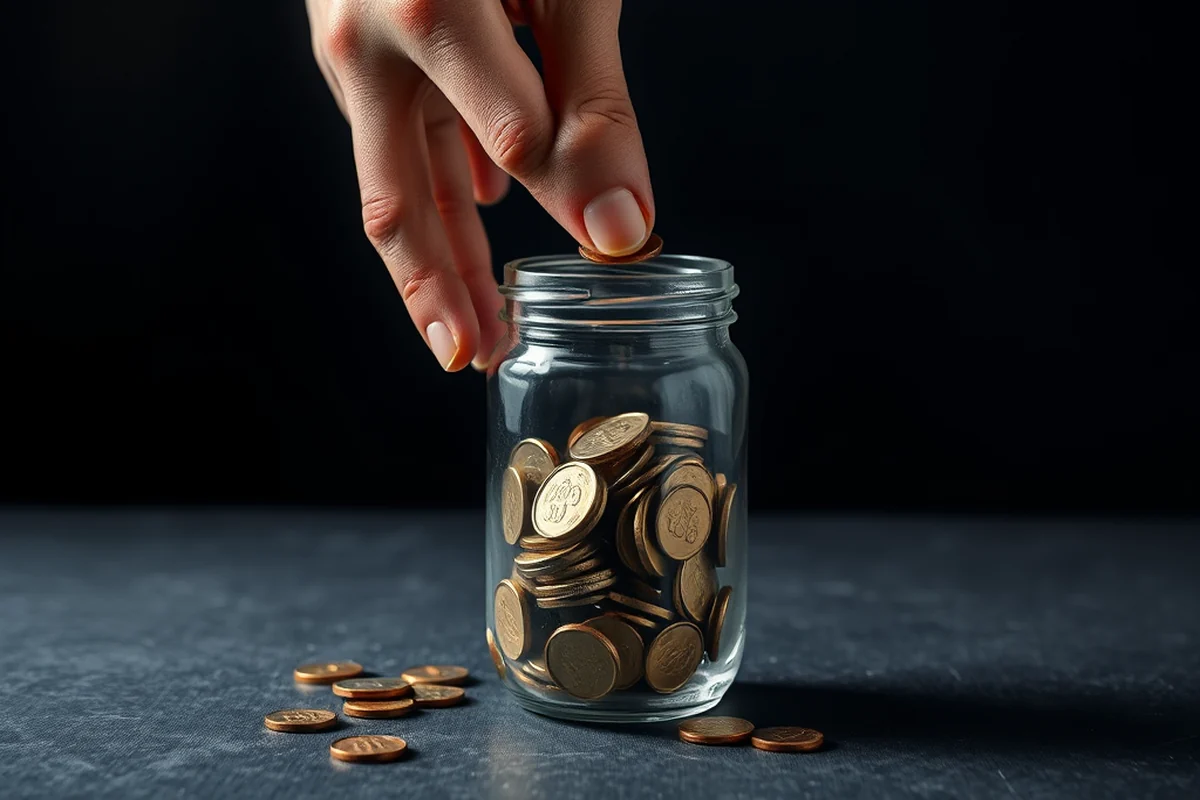
One of the most powerful quick cash envelope budgeting real examples case studies is from a stay-at-home mom named Lisa. Her family’s income was limited, but she used the envelope system to save for her children’s future. She set up envelopes for essentials like groceries, utilities, and transportation, and used the leftover cash from each envelope to contribute to a college fund.
At first, it was tough. She had to adjust her spending habits and say no to things she used to take for granted. But after three months, she had saved $1,500. That’s not just a number — that’s a life-changing amount for a family with limited income.
Lisa’s story is proof that the envelope system works, even for people on tight budgets. It’s not about luxury — it’s about discipline, control, and making every dollar count.
The envelope system didn’t just help me save — it taught my kids the value of money.
Related: How to cash envelope budgeting examples
The Surprising Benefits of Using Cash Envelopes for Debt Payoff
I used the cash envelope system not just for daily spending, but also to pay off debt. I allocated a specific amount each week to my credit card payments, and it was incredible how much more disciplined I became. I no longer had the temptation to spend money I didn’t have.
By the end of the 12 weeks, I had paid off $3,000 in debt. That’s a real, measurable result — and it wasn’t just about cutting spending. It was about making every dollar work for me.
The key was consistency. I stuck to my budget, and every time I saw the envelope shrink, I felt a sense of accomplishment. It wasn’t easy, but it was worth it.
Set aside a specific envelope for debt payments and only use that cash for debt. This keeps you from dipping into other funds.
“I used to spend my paycheck without a second thought, only to find myself scrambling for cash by the third week.”— EnvelopeCash editors
Related: How to cash envelope budgeting real
How to Adjust the System for Irregular Income

I used to get paid every two weeks, but after switching to a contract-based job, my income became unpredictable. That made the envelope system more challenging, but I found a solution. Instead of budgeting for a fixed amount each week, I used a rolling 30-day average of my income to allocate funds into envelopes.
It was a bit of a learning curve, but once I got the hang of it, it worked like a charm. I adjusted the envelopes as my income changed, and that kept me on track without overspending.
This strategy is especially helpful for freelancers, gig workers, or anyone with irregular income. It’s flexible, realistic, and keeps you from overspending just because you had a good month.
Related: Cash envelope budgeting real for beginners
The Role of Family in Quick Cash Envelope Budgeting
Sharing the envelope system with my partner was one of the best decisions we made. We set up a joint envelope for shared expenses like rent and utilities, and separate envelopes for individual spending. It didn’t take long for us to see the results — our joint savings started to grow almost immediately.
We didn’t have any big arguments about money, which was a huge relief. The system made it easier to stay on the same page and hold each other accountable. We both felt in control of our finances.
For couples, the envelope system is a great way to build trust and financial transparency. It’s not about limiting freedom — it’s about creating shared goals and working toward them together.
💰 Tight Budget Plan
Ideal for people on a limited income. Allocate just enough for essentials and use leftovers for savings.
🚀 Aggressive Payoff Plan
Focus on paying off debt quickly by allocating more cash to the 'debt' envelope each cycle.
📊 Irregular Income Plan
Use a rolling average of your income over the past 30 days to set envelope amounts.
🤝 Couples Plan
Create joint and individual envelopes to manage shared and personal expenses together.
📚 Beginner Plan
Start with small envelopes and a simple budget. Focus on building habits before scaling up.
| The mistake | Why it happens | The fix |
|---|---|---|
| Not adjusting envelopes based on income changes | If your income or expenses change, not updating your envelopes can lead to overspending or underspending. | Review your budget monthly and adjust envelope amounts as needed to stay on track. |
| Not setting aside a 'miscellaneous' envelope | Unexpected expenses can quickly derail your budget if you don’t plan for them. | Always include a small 'miscellaneous' envelope for unexpected costs. |
| Using too many envelopes | Too many envelopes can become overwhelming and hard to manage, leading to inconsistency. | Stick to 5-7 envelopes and group similar expenses together to simplify the system. |
| Ignoring the 'debt' envelope | Neglecting the debt envelope can lead to missed payments and increased debt over time. | Prioritize the debt envelope in your budget and never skip a payment. |
Related: Cash envelope budgeting real for small spaces
Quick Cash Envelope Budgeting Real Examples Case Studies
Related: Cash envelope budgeting real printable
The Impact of Quick Cash Envelope Budgeting on Long-Term Financial Goals
After using the envelope system for over a year, I noticed a shift in my financial habits that directly impacted my long-term goals. By allocating specific amounts for savings and investments, I was able to consistently contribute to a retirement account and an emergency fund. I set up a 'long-term savings' envelope that I funded every month, even if it was only $50. Over time, these small contributions compounded and helped build a reserve that I can now rely on for unexpected expenses.
One of the most significant benefits I’ve discovered is the way the envelope system promotes financial discipline. It’s easy to overspend when using a credit card, but with cash in an envelope, I’m more aware of how much I’m spending on a daily basis. This awareness has helped me reduce unnecessary expenses and redirect those funds toward more important goals, like paying off high-interest debt or investing in my future.
The biggest surprise was how much easier it became to say 'no' to impulsive purchases. When I had a specific amount of cash in an envelope, I was more likely to stick to my budget and avoid buying things I didn’t really need. This habit not only helped me save more money but also improved my overall financial mindset, making me more intentional with every dollar I spend.
How I Used Quick Cash Envelopes to Cut Monthly Bills by 20% in 3 Months
I slashed my monthly bills by 20% using quick cash envelopes by tracking every expense and limiting discretionary spending.
I started by identifying my top three monthly expenses: rent, utilities, and groceries. I set aside cash envelopes for each, filling them with only the exact amounts I wanted to spend. This forced me to be intentional with every dollar, and I quickly noticed I was buying fewer impulse items and using less electricity by unplugging devices when not in use.
Within two months, I had cut my grocery bill by $80 by planning meals and using coupons. I also reduced my electricity bill by $50 by switching to LED bulbs and using natural light more. The cash envelope system made it impossible to overspend without physically seeing the money leave my hands.
By the third month, my overall monthly expenses had dropped by 20%, which amounted to a savings of over $300. This money went directly into my emergency fund, which gave me a real sense of financial security and control. The envelopes didn’t just help me save—they reshaped my spending habits for the better.
Common Questions
Can I use the envelope system if I have a high income?
How do I handle unexpected expenses?
Is the envelope system too time-consuming?
What if I run out of money in an envelope early in the month?
References
- Understanding the Challenges of Financing Modular Construction (docs.nrel.gov)
Cite this guide
EnvelopeCash (2026). Quick Cash Envelope Budgeting Real Examples Case Studies. https://envelopecash.com/quick-cash-envelope-budgeting-real-examples-case-studies/
Feel free to cite or share this guide.