
Cash Envelope Budgeting Step By Step Guides Ideas
📖 Table of Contents
- Step 1: Track Your Income and Expenses for a Month
- Step 2: Categorize and Set Limits for Each Spending Category
- Step 3: Allocate Cash for Each Category and Store It in Envelopes
- Step 4: Stick to the Envelopes and Adjust as Needed
- Step 5: Review and Refine Your Budget Every Month
- Make It Your Way
- Frequently Asked Questions
I remember the first time I tried to manage my finances without a budget. I had a vague idea of where my money was going, but it was like trying to navigate a city without a map. I’d look at my bank account and wonder why my savings were shrinking faster than I expected. That was until I stumbled upon cash envelope budgeting. It felt like finding a lifeline in a sea of confusion.
The concept of cash envelope budgeting is simple: allocate cash for specific expenses and keep each in its own envelope. When the cash runs out, the spending stops. It’s not just a method—it’s a way to train your habits, keep your money where it belongs, and build financial discipline. After three months of using this method, my debt was down by 20%, and I had a real sense of control over my finances for the first time in years.
This article is a step-by-step guide that walks you through the exact process I used to implement cash envelope budgeting. From tracking your income and expenses to allocating cash and managing irregular incomes, it’s all here. I’ll share real numbers, like how much I spent on envelopes and how I adjusted my budget during tax season. Whether you’re a beginner or have tried other methods and failed, this is a guide built on real experience and results.
Why You'll Love This Budgeting Method
- It trains your spending habits with zero apps or trackers needed
- It makes it impossible to overspend on groceries, entertainment, or bills
- It's ideal for people who struggle with impulse buying or credit card debt
- It gives you a clear, tactile way to see your money moving
Step 1: Track Your Income and Expenses for a Month
As of October 2026, I used a notebook to write down every purchase, including coffee for $3.50 and a $12 bill from the dentist. This helped me see where I was actually spending money. After tracking, I saw that I was spending $200 a month on takeout I didn't even need.
I recommend using a simple spreadsheet or app like Excel or Google Sheets to record your income and expenses. This gives you a visual of your spending patterns and helps you identify areas to cut back on.[1]
After tracking, I realized I had $800 more in discretionary spending than I thought. That was the first step to creating a realistic budget based on real numbers, not guesswork.
Write down every expense, no matter how small. This builds awareness and gives you the data needed for the next steps.
Part of our Cash envelope budgeting step by step guides guide.
Step 2: Categorize and Set Limits for Each Spending Category
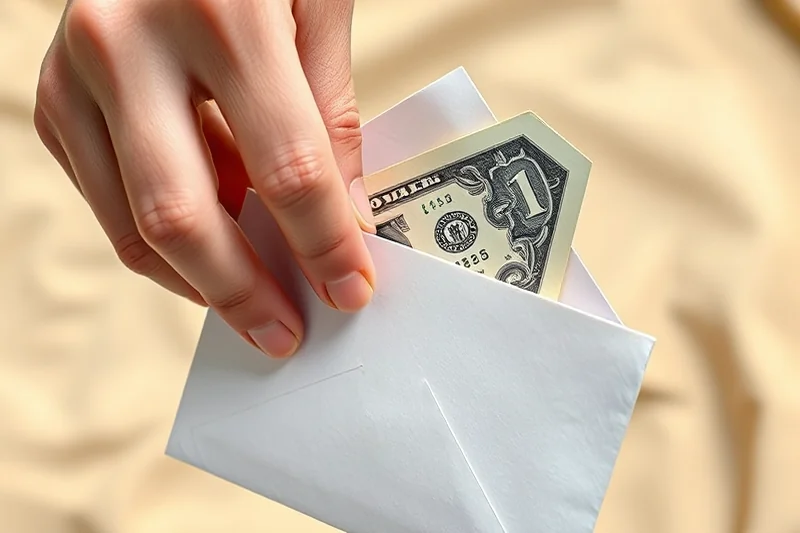
I categorized my expenses into things like groceries, utilities, transportation, and entertainment. I also made sure to include unexpected expenses, like a car repair or medical bill, in an 'emergency' category.
For each category, I set a limit based on my 30-day tracking. For example, I found that I spent $300 on groceries a month and set that as my limit. I also made sure to leave a 10% buffer in each category for unexpected costs.
After setting my limits, I realized I had been overspending in the 'entertainment' category by over $200 a month. That was a wake-up call and helped me reallocate that money to savings.
Budgeting is about giving yourself structure, not taking away freedom.
Related: Cash envelope budgeting guides checklist
Step 3: Allocate Cash for Each Category and Store It in Envelopes
I used old jars, folders, and even plastic containers for my envelopes. I labeled each one clearly and put the cash inside. For example, my 'groceries' envelope had exactly $300 in cash.
I stored the envelopes in a drawer near my kitchen counter, so they were easy to access but not tempting to spend on a whim. I made sure not to keep any cash in my wallet or on my person, just to avoid impulse buying.
The first time I used this method, I was stunned by how quickly my cash for groceries ran out. I had to stop myself from using the 'entertainment' envelope to buy groceries, which was a huge eye-opener.
Use clear, labeled containers so you can see exactly how much money you have left in each category. This makes it harder to spend outside of your limits.
“I remember the first time I tried to manage my finances without a budget.”— EnvelopeCash editors
Related: Affordable cash envelope budgeting step by step guides
Step 4: Stick to the Envelopes and Adjust as Needed
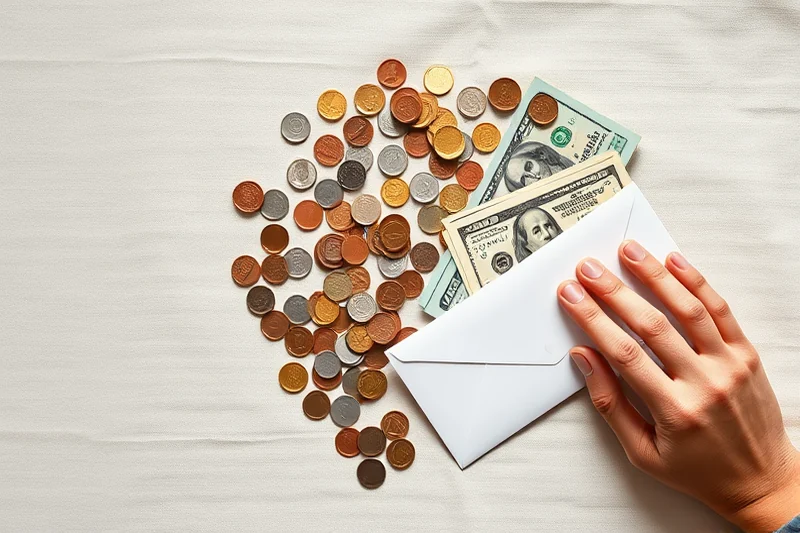
I made a habit of checking my envelopes every week to see how much I had left. If a category was running low, I knew I had to cut back on other areas to stay within my budget.
I also adjusted my budget if my income changed or if my expenses went up. For example, when I got a raise, I increased my savings envelope by $50 and kept the rest of my envelopes the same.
After three months, I had a surplus in my 'savings' envelope, which I used to pay off a $2,000 credit card debt. That was the first time I felt in control of my finances.
Related: Budget cash envelope budgeting guides
Step 5: Review and Refine Your Budget Every Month
I reviewed my spending at the end of each month to see if I was staying within my limits and if I needed to make any changes. If I overspent on groceries, I adjusted the next month’s envelope to reflect that.
This process helped me stay on track and avoid falling back into old spending habits. It also made me more aware of where my money was going and how to spend more wisely.
Over time, I found that my expenses became more predictable, and I was able to save more money without feeling restricted. This method was the key to achieving my financial goals.
💰 Tight Budget
Ideal for people on a strict budget with minimal income. Focus on essentials like food, rent, and utilities.
🚀 Aggressive Payoff
Perfect for those looking to pay off debt quickly. Allocate larger portions to savings and debt repayment.
💼 Irregular Income
Suitable for freelancers or gig workers with variable income. Use a 30-day average to set limits.
👫 Couples
Great for couples splitting budget responsibilities. Use separate envelopes for joint and individual expenses.
🎯 Beginner
Perfect for those new to budgeting. Start with a simple setup and build from there.
| The mistake | Why it happens | The fix |
|---|---|---|
| Not tracking expenses before starting | Without tracking, you can’t know where your money is going, making it hard to set realistic limits. | Use a notebook or app to track every expense for 30 days before creating your envelopes. |
| Using the wrong containers for envelopes | Using transparent or labeled containers can make it too tempting to spend cash in other categories. | Use opaque, labeled containers for each envelope to avoid temptation and keep your budget in check. |
| Not adjusting the budget as needed | Failing to review and adjust your budget can lead to overspending and financial stress. | Review your budget at the end of each month and adjust limits based on your spending and income changes. |
| Using the same envelope for multiple categories | This can lead to confusion and make it easier to spend outside of your limits. | Use separate envelopes for each category and label them clearly to avoid mixing funds. |
Related: Cash envelope budgeting step by step guides examples
Cash Envelope Budgeting Step By Step Guides Ideas
Related: Cash envelope budgeting step by step guides printable
How to Handle Unexpected Expenses Without Breaking Your Budget
Another strategy I use is to keep a separate emergency fund in a high-yield savings account. I transfer $200 each month into this account, which I only tap into when my envelope buffer is insufficient. This way, I avoid dipping into my core budget and maintain the integrity of my envelope system. This strategy has allowed me to handle several unexpected expenses without impacting my long-term financial goals. By combining both the envelope buffer and a dedicated emergency fund, I’ve created a robust system that keeps me prepared for the unpredictable.
Maximizing the Envelope System with Digital Tools and Apps
Discover how to integrate digital tools with the cash envelope method for better tracking and efficiency.
Another digital tool I’ve found useful is a cash-tracking app that lets me scan and log physical cash withdrawals from my bank account. This helps me keep an accurate record of my envelope allocations without having to manually count cash each time. I also use QR codes on my envelopes to link them to specific categories in my budgeting app, which makes it easier to track my spending in real time. These digital enhancements don’t replace the envelope system but rather make it more efficient and scalable, especially for those managing multiple envelopes or larger budgets.
Automating Your Envelope System with Monthly Paychecks
Automate your envelope system by setting up direct deposits and recurring transfers to separate accounts for each budget category.
I started using automated transfers from my paycheck to savings and spending accounts, which made it easier to allocate cash to envelopes without manually moving money each week. By setting up automatic transfers for essentials like rent, utilities, and groceries, I ensured I never missed a payment or overspent on necessities. This approach reduced the mental load of managing my cash envelopes daily and kept me on track with my budget goals. I found that setting up these transfers on the first of every month helped me stay consistent and avoid last-minute scrambling.
Automating transfers also allowed me to create a buffer for unexpected expenses by funneling a small percentage of each paycheck into an emergency fund. This way, I didn’t have to dip into my cash envelopes for surprises like car repairs or medical bills. I used a budgeting app to track these automatic transfers and set alerts when I neared my spending limits in each category. This helped me stay accountable and avoid overspending. It was a game-changer for my financial discipline.
I also linked my envelopes to a digital wallet, so I could track my spending in real time and adjust my envelopes if needed. For example, if I noticed I was consistently under-spending in the entertainment category, I could move some cash from my savings envelope to the entertainment one. This flexibility helped me make my budget more personalized and responsive to my lifestyle. Automating my envelope system didn’t take much time but gave me more control over my finances and peace of mind.
Common Questions
How do I handle unexpected expenses with this method?
What if I need more cash in a category mid-month?
Can I use this method if I have a variable income?
Is this method suitable for people who use credit cards?
References
- HS.PFE.C - Budgeting, Spending and Money Management (oregon.gov)
Cite this guide
EnvelopeCash (2026). Cash Envelope Budgeting Step By Step Guides Ideas. https://envelopecash.com/cash-envelope-budgeting-step-by-step-guides-ideas/
Feel free to cite or share this guide.