
Quick Cash Envelope Budgeting Mistakes
📖 Table of Contents
I remember the first time I tried quick cash envelope budgeting. I had just landed my first full-time job and was determined to get a handle on my finances. I bought a stack of colored envelopes, labeled them with categories like groceries, utilities, and savings, and stuffed them with cash. It sounded simple, but within a week, I was already stressing — I’d forgotten to budget for a last-minute car repair and had no cash left for an unexpected medical bill. That moment was a wake-up call. Quick cash envelope budgeting isn’t just about tossing cash into envelopes; it’s about intentionality, planning, and avoiding the common pitfalls that can derail even the most well-meaning budgeter.
Quick cash envelope budgeting is a powerful tool for those who want to take control of their money without relying on apps or complex spreadsheets. It brings a tangible, tactile element to budgeting, making it easier for some people to stay on track with their spending goals. However, the simplicity of the method can be misleading. In my own experience, I underestimated how much I would need for certain categories, and I overestimated my discipline in sticking to envelopes. These early missteps taught me that quick cash envelope budgeting requires more than just a few envelopes and a desire to save — it demands thoughtful planning, real-time tracking, and a willingness to adapt.
One of the most common mistakes I see people make with quick cash envelope budgeting is treating it as a one-size-fits-all solution. It works for some, but not all. I’ve met people who thrive with cash envelopes and others who find them restrictive or frustrating. The key is to understand your habits, your financial goals, and the unique challenges you face. Quick cash envelope budgeting mistakes often come from not tailoring the system to your lifestyle. That’s why I want to walk you through the top pitfalls I’ve encountered and how to avoid them — so you can use this method effectively without the stress and frustration that comes with poor planning.
Why You'll Love This Budgeting Method
- It brings clarity to your spending habits through tangible, physical cash.
- It helps you avoid impulse purchases by limiting how much money you can spend in each category.
- It’s flexible enough to work with a variety of income levels and financial goals.
- It’s low-tech and doesn’t require complicated tools or apps.
Underestimating the Cost of Living
As of September 2026, I once set aside $200 for groceries based on my previous month’s spending, only to find out that my family had grown, and my grocery bill had jumped by over 50% that month. This kind of miscalculation is all too easy, especially when you haven’t accounted for unexpected increases in your expenses.
To avoid this, I now calculate my budget based on a 3-month average of my spending, which gives me a more accurate picture of my needs. This method has helped me avoid running out of cash in essential categories and has made my budgeting more resilient.
Taking the time to analyze your past spending patterns — even if it means going through old receipts or bank statements — is a crucial step in setting up a budget that works for you.
Use the past three months of expenses to find an average for each category. This gives you a more realistic starting point.
Part of our Cash envelope budgeting mistakes pitfalls guide.
Not Adjusting for Seasonal Changes
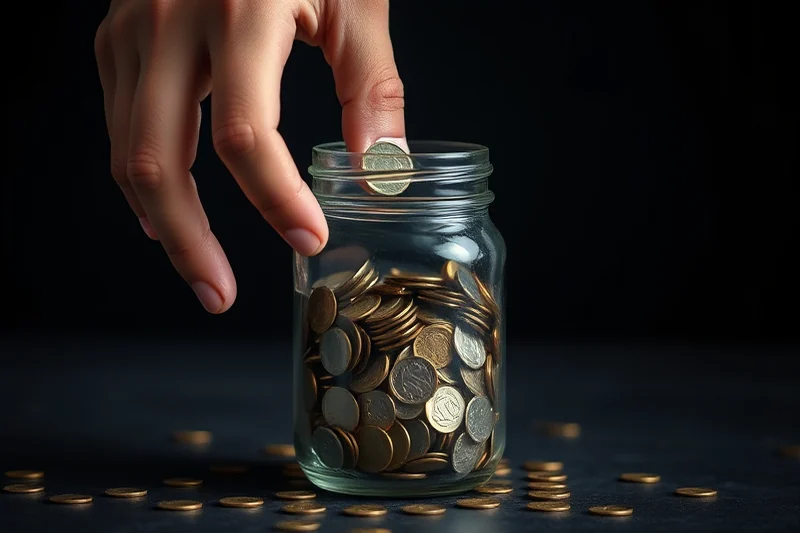
For example, in the winter, heating bills go up, and holiday expenses can take a significant chunk out of your budget. I once tried to stick to my summer grocery budget in the winter and ended up running out of cash early.
To avoid this, I now create a seasonal budget plan, adjusting my envelopes based on the time of year. For instance, I increase the amount in the utility envelope during colder months and allocate more for holiday gifts in December.
This approach has helped me stay on track without feeling the need to constantly adjust my envelopes on the fly.
Budgeting without considering the season is like wearing a winter coat in the summer — it’s not going to fit.
Related: Cash envelope budgeting mistakes examples
Overlooking Hidden Expenses
I once forgot to budget for a surprise dental visit, which left me scrambling for cash and dipping into my savings. These types of expenses can be hard to predict, but they’re inevitable.
To stay prepared, I now set aside a small emergency fund in a separate envelope each month, which I only use for unexpected expenses. This has given me peace of mind and kept me from feeling like I’m constantly breaking my budget.
Even small amounts, like $20 or $30 a month, can add up over time and help cover those unpredictable costs that come up.[1]
Dedicate a small envelope to unexpected expenses, even if it’s just $20 a month. This can save you from financial shocks.
“I remember the first time I tried quick cash envelope budgeting.”— EnvelopeCash editors
Related: Easy cash envelope budgeting mistakes pitfalls
Not Reviewing Your Budget Regularly

I used to only check my envelopes once a month, which led to several times where I’d already spent the entire budget for a category before the month was over. This made it hard to track my progress and stay on top of my spending.
Now, I review my budget weekly, which helps me catch overspending early and make adjustments before the month is up. This practice has significantly improved my ability to stick to my budget.
Setting a reminder on my phone or calendar to check my envelopes each week is a small but effective way to stay on track.
Related: Cash envelope budgeting mistakes for small spaces
Neglecting to Set Realistic Goals
I once tried to save $1,000 in a month by cutting all non-essential spending. It didn’t work — I felt deprived and ended up giving in to temptation, which made me lose even more money.
Now, I set smaller, more achievable goals that align with my financial situation. For instance, I aim to save $200 a month in my emergency fund, which feels more manageable and sustainable.
By starting small and gradually increasing my savings, I’ve been able to build long-term financial habits without sacrificing my quality of life.
💰 Tight Budget
Ideal for those with limited income. Use smaller envelopes and prioritize essentials like food and utilities.
🚀 Aggressive Payoff
Perfect for people looking to pay off debt quickly. Allocate extra cash to the debt envelope each month.
📊 Irregular Income
Tailor your envelopes to match fluctuating income, such as freelancing or seasonal work.
🤝 Couples
Use color-coded envelopes to separate individual spending from shared expenses.
🧭 Beginner
Start with a simple setup, like three envelopes: needs, wants, and savings.
| The mistake | Why it happens | The fix |
|---|---|---|
| Not adjusting envelopes as income changes | If your income increases or decreases, your budget should change too. Failing to do so can lead to overspending or underspending in certain categories. | Review your budget and adjust envelope amounts whenever your income changes. This ensures your spending remains aligned with your financial situation. |
| Using the same envelopes for multiple categories | Using the same envelope for multiple purposes can lead to confusion and overspending. It also makes it harder to track where your money is going. | Label each envelope clearly and keep them separate. This helps you stay organized and avoid accidental spending in the wrong category. |
| Not tracking spending regularly | Tracking your spending is essential for staying on top of your budget. Failing to do so can lead to overspending and frustration. | Set aside time each week to review your envelopes and track your spending. This allows you to catch overspending early and make adjustments as needed. |
| Not involving all household members | If you live with others, not involving them in the budgeting process can lead to confusion and overspending. It can also cause tension if one person is spending more than their share. | Involve all household members in the budgeting process. This ensures everyone is on the same page and helps prevent overspending. |
Related: Diy cash envelope budgeting mistakes
Quick Cash Envelope Budgeting Mistakes
Related: Simple cash envelope budgeting pitfalls
Failing to Plan for Emergencies Within the Envelope System
I once lived on a strict envelope budget and forgot to set aside money for unexpected car repairs. When my car broke down, I had to dip into my savings, which threw my entire budget off track. The lesson was clear: emergencies happen, and without a dedicated envelope for them, you're forced to compromise on other needs. Setting aside 5–10% of your income for emergencies within your envelope system can prevent financial chaos and keep your budget from falling apart.
Creating an emergency envelope means thinking ahead, not just reacting. I started by allocating a fixed amount every month, just like I would for groceries or utilities. This helped me avoid the trap of using money from other envelopes to cover surprises. It also gave me peace of mind, knowing I had a financial cushion without sacrificing my other priorities.
To make this work, I kept my emergency envelope in a separate, easily accessible place—like a dedicated savings account or a labeled cash jar. This prevented temptation to spend it on non-essential items. Over time, I noticed that having this envelope made me more disciplined with my overall budget. It became a habit that helped me stay on track, even during unexpected times.
Assuming All Envelopes Are Equal in Value
Treating each envelope as identical can lead to misallocation of funds and financial stress. It's crucial to differentiate envelopes based on their purpose and frequency of use.
I once tried using identical envelopes for both groceries and utilities, not realizing how different their spending patterns were. Within a month, I found myself scrambling to cover unexpected bills because I had no way to track where my money was going. This mistake highlights the importance of assigning specific envelopes for specific needs. For example, groceries might require a larger envelope than entertainment, which is usually less frequent and lower in cost.
When envelopes are not clearly defined, it's easy to confuse one category with another. I learned this the hard way when I mistakenly used my savings envelope for an unexpected car repair. This led to a domino effect — I had to borrow from other envelopes, which disrupted my budget and caused unnecessary stress. A better approach is to label each envelope clearly and keep them in separate, easily accessible places to avoid confusion.
To avoid this pitfall, I now use color-coded envelopes and attach a small note to each that outlines the purpose and the estimated monthly amount. This system has helped me stay on track and avoid overspending in certain categories. It’s easy to set up and makes a huge difference in maintaining financial clarity. Remember, the goal is to make your budget work for you, not against you.
Common Questions
How do I know which categories to use for my envelopes?
Can I use a different currency or denomination for my envelopes?
What if I run out of cash in one of my envelopes early in the month?
How do I handle unexpected expenses without breaking my budget?
References
- Your Money, Your Goals: Focus on Native Communities (files.consumerfinance.gov)
Cite this guide
EnvelopeCash (2026). Quick Cash Envelope Budgeting Mistakes. https://envelopecash.com/quick-cash-envelope-budgeting-mistakes/
Feel free to cite or share this guide.