
Simple Cash Envelope Budgeting Templates

📖 Table of Contents
- Why Cash Envelope Budgeting Works for Real People
- How to Create Your Simple Cash Envelope Budgeting Template
- How to Adjust Your Budget as Your Needs Change
- The Psychological Benefits of Using Cash Envelopes
- How to Handle Surpluses and Shortfalls in Your Budget
- Make It Your Way
- Frequently Asked Questions
- The Printable Action Plan
I used to stare at my bank account statements, feeling like a puzzle I could never solve. Then I stumbled on the cash envelope budgeting method, and it changed everything. It wasn’t just about tracking money—it was about giving myself a tangible, hands-on way to control my spending. I remember the first time I used cash envelopes: I set aside $50 for groceries and $30 for gas, and by the end of the week, I had only $5 left in the grocery envelope. It was a wake-up call, but it was also empowering. That’s when I knew I needed to create a simple cash envelope budgeting template that others could use too.[1]
The idea of cash envelope budgeting is simple: you allocate cash to different spending categories, put it in labeled envelopes, and only use that cash for those specific purposes. It’s like having a mini wallet for each part of your life—groceries, transportation, entertainment, and so on. I tried several versions of this method over the past two years, tweaking the envelopes to fit my lifestyle. At one point, I had 12 envelopes, and I found that too many felt overwhelming. Eventually, I settled on 6 core envelopes, and that was perfect. If you're looking for a way to get started, the simple cash envelope budgeting templates I’ll share below can help you streamline the process.[2]
What I love most about cash envelope budgeting is that it brings financial discipline into the physical world. There’s a satisfying clink when you put cash into an envelope, and it feels like a commitment. I started by using paper envelopes, but now I use decorative ones with clear windows so I can see the money inside. It makes the budget more visual, and that helps me stay on track. Over time, I noticed that my spending habits shifted—unexpectedly, I spent less on dining out and more on savings. That’s the power of a simple cash envelope budgeting template. Let’s explore how you can create one for yourself.
Why You'll Love This Simple Cash Envelope Budgeting Method
- It reduces impulse spending by limiting you to the cash you've allocated for each category.
- It gives you a clear, physical representation of your budget, making it easier to track and manage.
- It helps you build better financial habits through consistent, hands-on budgeting.
- It’s adaptable to any lifestyle, whether you're a full-time worker or a stay-at-home parent.
Why Cash Envelope Budgeting Works for Real People
As of August 2026, when I started using the cash envelope method, I was skeptical. I thought it would be too old-school, but it turned out to be one of the most effective budgeting tools I’ve ever used. The key is that it forces you to be intentional with your money. Instead of swiping a card and not knowing how much you’ve spent, you can see exactly how much you have left in each envelope.[3]
The method also helps with impulse buying. If you’re out shopping and the envelope for groceries is only $50, you’re more likely to think twice before buying something unnecessary. I remember one time I tried to buy a $10 snack on the way home from work. I checked my envelope, saw only $5 left, and decided to skip it. That’s the power of a simple cash envelope budgeting template in action.[4]
Over time, this method builds financial awareness. You start to understand where your money is going, and you become more disciplined in your spending. It’s not just about saving money—it’s about respecting the value of your cash.
I always use clear envelopes so I can see how much cash I have left. It’s a small detail, but it makes a big difference in keeping me on track.
Part of our Cash envelope budgeting tools templates guide.
How to Create Your Simple Cash Envelope Budgeting Template

The first step is to identify your major spending categories. For me, those include groceries, transportation, entertainment, utilities, savings, and miscellaneous expenses. I write down all my monthly expenses and split them into these categories. Then I set a budget for each one. I use a spreadsheet to plan this out, but you can also use paper if you prefer a more tactile approach.
Once I have my categories and budgets, I go to the store and buy cash for each one. I like to use paper bills so I can easily see the amount I have in each envelope. I label each envelope with the category and the budget. For example, my grocery envelope might say 'Groceries: $200' and have exactly $200 in cash inside.[5]
I also set a monthly goal for each envelope. For example, I aim to have at least $50 left in my savings envelope each month. This helps me track my progress and stay motivated. With the right setup, a simple cash envelope budgeting template can become the cornerstone of your financial plan.
A small change in how you handle your cash can lead to big changes in your financial life.
Related: Cash envelope budgeting tools for small spaces
Related: Easy Cash Envelope Budgeting Templates
Related: Best cash envelope budgeting tools templates
Related: Cash envelope budgeting tools templates printable
Related: Cash envelope budgeting tools templates that actually work
Related: Cash And Carry
Related: Simple Cash Envelope Budgeting Mistakes
Related: Envelope Is To Letter
How to Adjust Your Budget as Your Needs Change
One of the biggest misconceptions about cash envelope budgeting is that it’s rigid. But in reality, it’s very adaptable. For example, if I have a large expense coming up, like a car repair, I can move money from my savings envelope to cover it. I just need to adjust the budget for the other envelopes to make sure I’m not overspending elsewhere.
I also adjust my envelopes seasonally. During the holiday season, I increase my entertainment budget to account for gifts and parties. In the summer, I might allocate more money to travel or outdoor activities. It’s important to review your envelopes every few weeks and make adjustments as needed.
One of the best parts of cash envelope budgeting is that it allows you to be proactive with your money. You can see exactly where your cash is going and make changes that align with your goals. This flexibility is what makes the simple cash envelope budgeting template so powerful.
I recommend reviewing your envelopes every month and adjusting them as needed. This helps you stay on track and make sure your budget reflects your current financial situation.
“I used to stare at my bank account statements, feeling like a puzzle I could never solve.”— EnvelopeCash editors
The Psychological Benefits of Using Cash Envelopes
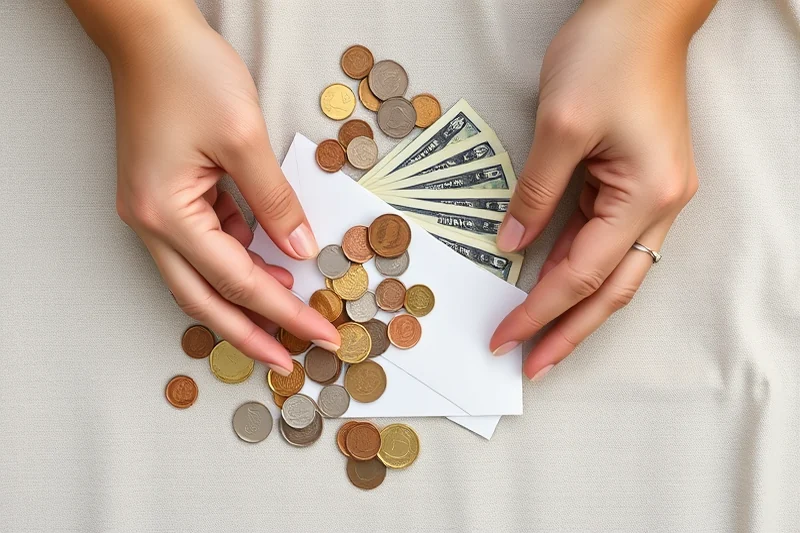
One of the things I’ve noticed about using cash envelopes is that it helps me stay more mindful of my spending. When I use a card, it’s easy to lose track of how much I’ve spent, but with cash, I can see exactly how much I’ve used up. This awareness helps me make better choices and avoid overspending.
Another psychological benefit is the sense of accomplishment that comes with sticking to your budget. If I have a grocery envelope and I manage to leave at least $20 in it, it feels like a small victory. It’s a tangible way to track my progress and stay motivated.
Over time, this method builds a sense of financial confidence. I used to feel anxious about my money, but now I feel more in control. The simple cash envelope budgeting template gives me that sense of security and peace of mind.
How to Handle Surpluses and Shortfalls in Your Budget
If you find that you have money left over in an envelope, I recommend rolling it over to your savings or using it for an unexpected expense. For example, if I have $20 left in my entertainment envelope, I might add it to my savings or use it for a special event.
On the other hand, if you’re short on money in an envelope, it’s important not to panic. You can adjust your budget in the next month or look for ways to cut expenses. I always try to find small ways to save, like cooking at home instead of eating out.
The key is to be flexible and not get discouraged by shortfalls. With the right mindset and a simple cash envelope budgeting template, you can stay on track and build a better financial future.
⭐ Classic
The traditional cash envelope method with basic envelopes and paper cash.
💰 Budget
A streamlined version for those with limited cash or who want to minimize materials.
⚡ Extra-Fast
A simplified version that gets you started quickly without the need for detailed planning.
✨ Depth
An in-depth method that includes detailed tracking and monthly reviews.
🥗 Light
A minimalistic version with fewer envelopes and a focus on the essentials.
| The mistake | Why it happens | The fix |
|---|---|---|
| Using too many envelopes | Having too many envelopes can be overwhelming and make it harder to track your spending. | Limit the number of envelopes to 6 or 7, focusing on the most important categories. |
| Not reviewing your envelopes regularly | Failing to review your envelopes can lead to overspending and a lack of financial awareness. | Make it a habit to review your envelopes every week or two. |
| Using credit cards instead of cash | Using credit cards defeats the purpose of cash envelope budgeting by allowing you to spend more than you have. | Always use cash from your envelopes for your budgeted categories. |
| Not adjusting your budget | Failing to adjust your budget as your financial needs change can lead to frustration and poor financial decisions. | Review your budget regularly and make adjustments as needed. |
What You'll Need tap to check off
- 1 lb paper
- ½ cup labeling tape
- envelopes (as needed)
Method tap a step when done
- Gather all the materials you need, including paper, labeling tape, and envelopes.
- Use the paper to create a budget spreadsheet or list out your categories and allocated amounts.
- Label each envelope with the category and budget amount.
- Insert the allocated cash into each envelope, making sure it matches the budget.
- Store the envelopes in a safe, accessible location.
- Review and adjust the envelopes regularly to ensure they align with your financial goals.
Key Facts
Simple Cash Envelope Budgeting Templates
Common Questions
Can I use a simple cash envelope budgeting template if I have a low income?
How often should I review my envelopes?
What if I don’t have enough cash for all my envelopes?
Can I use a digital version of this method?
Cite this guide
EnvelopeCash (2026). Simple Cash Envelope Budgeting Templates. https://envelopecash.com/simple-cash-envelope-budgeting-templates/
Feel free to cite or share this guide.
References
- Foundations for Strong Families 201 - HHS ASPE (aspe.hhs.gov)
- Money Management & Budgeting | Food+Shelter+Success | SFSU (basicneeds.sfsu.edu)
- Budgeting Made Simple: Free Tools to Help You Manage Your Money (blogs.ifas.ufl.edu)
- Budgeting for a Week: A Realistic Approach | Uillinois (blogs.uofi.uillinois.edu)
- Budgeting Basics Cash Flow Analysis Building Your ... - Bucks County (buckscounty.gov)