
Cash Envelope Budgeting Step Tips
📖 Table of Contents
When I first tried to get my finances under control, I felt like I was chasing shadows. I’d set budgets on my phone, only to see them fall apart by week’s end. It wasn’t until I tried cash envelope budgeting that things finally clicked. The method is simple, tactile, and — most importantly — it forces me to face my spending head-on. I used to spend $50 a week on coffee and snacks, not realizing how much that was eating into my savings. With the cash envelope system, I could see the money slipping through my fingers — literally — and that was when the real change started.[1]
Cash envelope budgeting is not just a method — it’s a mindset shift. It’s about taking your financial goals and making them physical. I remember the first time I sat down with a stack of envelopes and cash. It felt like a ritual, almost sacred. Each envelope represented a category: groceries, utilities, transportation, and so on. I had to physically put the money into the envelopes, and that act alone made me more aware of where my money was going. There’s something about the weight of cash in your hands that a digital app can’t replicate.
The beauty of this system is that it works for people with all kinds of financial situations. I’ve seen it help college students stay on track with their expenses, and I’ve watched it help someone with a second job manage their money more efficiently. It doesn’t require a high income or a perfect lifestyle — it just requires honesty and a willingness to confront your spending habits. I’ve been doing this for over a year now, and I’ve never been more in control of my money. If you’re ready to stop feeling like you’re always running out of cash, cash envelope budgeting step tips are here to help.
Why You'll Love This Method
- It reduces impulsive spending by making money feel more tangible.
- It offers a visual and physical reminder of your financial goals.
- It’s flexible enough to work with various income levels and lifestyles.
- It’s easy to set up and doesn’t require any special tools or apps.
Getting Started with Cash Envelope Budgeting
As of October 2026, the first step in cash envelope budgeting is knowing exactly how much you earn and where your money is going. I started by tracking my expenses for one month, writing down every single purchase. It was eye-opening — I didn’t realize I was spending $100 a month on streaming services alone. Once I had a clear picture of my spending habits, I could allocate specific amounts of cash for each category, like groceries, rent, and utilities.[2]
After tracking my expenses, I created envelopes labeled with each category. I used old manila envelopes from my office and labeled them with a Sharpie. I divided my monthly budget into envelopes, making sure each one had the exact amount I had planned to spend on that category. I filled each envelope with the corresponding amount of cash, and that was it. I didn’t need any fancy apps or tools — just a few envelopes and a pen.
This method helps prevent overspending because you can’t go over your allocated amount. If I wanted to buy a new shirt, I had to check the 'clothing' envelope first. If there was still cash left, I could buy it. If not, I had to wait until the next month. It was a small change, but it made me more mindful of my spending habits.
Before you start, spend a month tracking every purchase. This gives you a clear picture of where your money is going. Use a notebook or a simple spreadsheet — no fancy apps needed.
Part of our Cash envelope budgeting step by step guides guide.
The Power of Physical Money
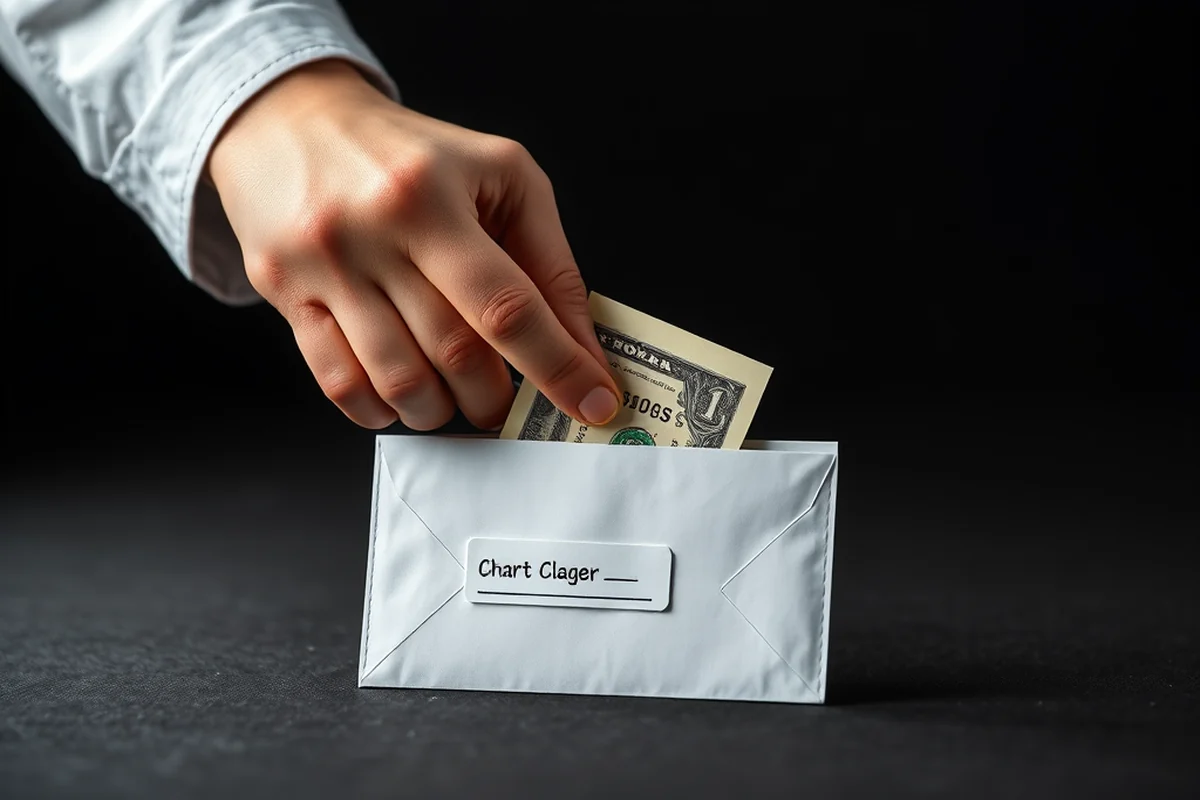
One of the biggest advantages of cash envelope budgeting is that it forces you to confront your spending in a way that a digital app never could. When I used to budget with an app, I’d often forget about my expenses or think of them as abstract numbers. But with cash, I could physically see the money I was spending and the envelopes I was depleting. It was a powerful reminder that every dollar I spent was a real, physical asset.
I used to spend a lot on impulse buys — things like snacks, coffee, and small trinkets. But once I started using cash envelopes, I realized just how much money I was wasting on these things. I couldn’t just swipe my card and forget about it — I had to physically take the cash from the envelope. That small act of taking money out of an envelope made a huge difference in my spending habits.
This method works best when you’re consistent. I make it a habit to check my envelopes every week. If I see that I’m running low on groceries, I can adjust my spending for the next week. It’s a simple but effective way to stay on track with your budget.
Cash is a reminder. It makes your money real — and that’s powerful.
Related: Best cash envelope budgeting step by step guides
Customizing Your Budget for Your Lifestyle
Not everyone has the same income or expenses, so it’s important to customize your budget to fit your lifestyle. I used to have a set budget that didn’t work for me because I had irregular income. I had to adjust my envelopes each month based on how much I earned. If I had a good month, I could put extra cash into a 'savings' envelope. If I had a bad month, I had to be more careful with my spending.
Customizing your budget also means being honest with yourself. I had to be realistic about my spending habits and not try to cut costs too quickly. If I tried to eliminate all my snacks, I’d just end up buying them later. Instead, I set a small amount in the 'snacks' envelope, which allowed me to still enjoy a few treats a week without going overboard.
The key is to be flexible. I’ve found that having a few extra envelopes for unexpected expenses, like car repairs or medical bills, is essential. These envelopes act as a safety net and help prevent financial stress.
If your income fluctuates, be sure to create envelopes for unexpected expenses and adjust your budget each month based on your earnings.
“When I first tried to get my finances under control, I felt like I was chasing shadows.”— EnvelopeCash editors
Related: Affordable cash envelope budgeting step
Staying Consistent and Motivated
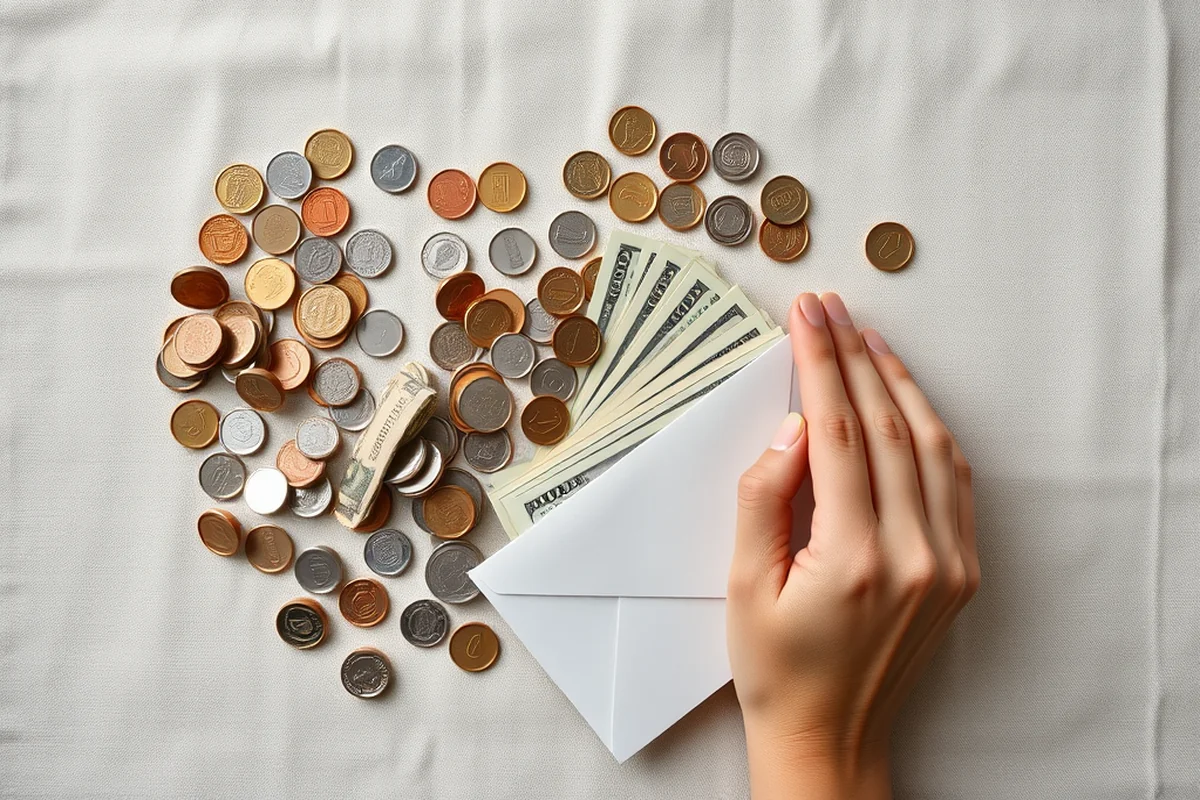
Staying consistent with cash envelope budgeting can be challenging, especially when life gets busy. I used to forget about my envelopes for a few days and end up spending more than I had planned. To avoid this, I made it a habit to check my envelopes every week. I set a reminder on my phone to review my budget each Sunday. That small habit helped me stay on track and made the process more manageable.
I also like to reward myself for staying on track. If I stick to my budget for a month, I treat myself to something small, like a nice dinner or a movie. It’s a way to reinforce good behavior and keep myself motivated. I’ve found that even small rewards can make a big difference in maintaining a consistent budgeting routine.
Another tip is to keep your envelopes in a visible place. I put mine in a clear plastic box on my desk so I could see them every day. It was a constant reminder of my financial goals and helped me stay focused on my spending habits.
Related: Cash envelope budgeting guides checklist
Reviewing and Refining Your Budget
Once you’ve been using cash envelope budgeting for a while, it’s important to review your budget and make adjustments as needed. I used to review my budget every month, checking which envelopes were being used up quickly and which ones had leftover cash. This helped me identify areas where I could save more or where I needed to adjust my spending.
I’ve found that some of my envelopes, like the one for 'entertainment', were consistently being used up too fast. I had to adjust the amount I put in that envelope and find other ways to enjoy my free time without spending too much. This process of reviewing and refining my budget has helped me become more in control of my finances.
Reviewing your budget also means being honest with yourself. I had to accept that I wasn’t perfect and that I’d make mistakes. But instead of giving up, I used those mistakes as learning opportunities. It’s a process of trial and error, and that’s okay.
💰 Tight Budget
Ideal for those with limited income — use minimal envelopes and focus on essentials like food, rent, and utilities.
🚀 Aggressive Payoff
For those looking to pay off debt quickly — allocate more cash to debt categories and reduce spending in non-essentials.
💸 Irregular Income
Custom envelopes for each month based on income fluctuations. Use savings envelopes for leaner months.
👫 Couples
Use shared envelopes for joint expenses and individual envelopes for personal spending. Communicate regularly about budget progress.
🎓 Beginner
Start with a few basic envelopes and gradually add more categories as your budget becomes more detailed.
| The mistake | Why it happens | The fix |
|---|---|---|
| Not tracking expenses first | Without tracking, you won’t know where your money is going and won’t be able to create an accurate budget. | Track your expenses for a month before setting up your envelopes. This will help you create a realistic budget and avoid overspending. |
| Putting too much money in an envelope | Overfilling an envelope can lead to overspending or frustration when you run out of money before the month is up. | Start with a reasonable amount and adjust as needed. If you find that an envelope is being used up too quickly, increase the amount for the next month. |
| Not checking envelopes regularly | If you don’t review your envelopes, you might miss signs of overspending or run out of money unexpectedly. | Make it a habit to check your envelopes every week. This will help you stay on track and make adjustments as needed. |
| Using credit cards instead of cash | Using credit cards can lead to overspending and debt if you’re not careful. It also makes it harder to track your spending. | Use cash for your planned expenses and pay off your credit card balance each month. This will help you stay within your budget and avoid debt. |
Related: Affordable cash envelope budgeting step by step guides
Cash Envelope Budgeting Step Tips
Related: Budget cash envelope budgeting guides
Common Questions
Can I use cash envelope budgeting if I have a credit card?
What if I have unexpected expenses that I didn’t plan for?
How do I handle irregular income with this method?
Is cash envelope budgeting too time-consuming?
References
- Focus on Finances: Preparing for Your Future - FTC Consumer Advice (consumer.ftc.gov)
- Budgeting: How to create a budget and stick with it (consumerfinance.gov)
Cite this guide
EnvelopeCash (2026). Cash Envelope Budgeting Step Tips. https://envelopecash.com/cash-envelope-budgeting-step-tips/
Feel free to cite or share this guide.