
Cash Envelope Budgeting Step By Step Guides Tips
📖 Table of Contents
I used to live paycheck to paycheck, always one unexpected expense away from chaos. It wasn’t until I tried cash envelope budgeting that I finally felt in control of my money. That first month, I sat down with a stack of envelopes, cash, and a feeling of hope. I didn’t know what to expect. I knew I needed a system that would force me to see where my money was going — and cash envelope budgeting, step by step, was exactly that.
The idea of cash envelope budgeting step by step guides tips might seem simple, but that simplicity is its power. I remember the first time I split my cash into envelopes labeled 'groceries,' 'rent,' and 'entertainment.' The act of physically seeing the cash in each envelope was a revelation. It made me think twice before spending, and it kept me honest about my priorities.
Over time, I’ve refined my process with cash envelope budgeting step by step guides tips, making it more efficient and less stressful. I’ve learned which envelopes to tweak, how to track what’s left, and how to adjust when life throws curveballs. It’s not perfect — no budget is — but it’s worked for me and countless others who have shared their stories in the comments and messages I receive daily.
Why You'll Love This Budgeting Method
- It keeps spending visible and tangible, preventing overspending
- It builds financial discipline and reduces impulse purchases
- It’s easy to set up with minimal cost and no digital tools required
- It works for any income level, including irregular or low earnings
How to Set Up Your Cash Envelope Budgeting System
As of October 2026, the first step in cash envelope budgeting step by step guides tips is to track your spending for at least one month. This gives you a clear idea of where your money goes. I used a notebook and pen to write down every expense, from groceries to gas, for 30 days. It was eye-opening — I had no idea how much I spent on coffee alone.[1]
Once you have a baseline, divide your income into categories like rent, groceries, utilities, transportation, and entertainment. I used a spreadsheet to calculate the average monthly amounts for each category, and then set aside cash for each. My envelopes were labeled with each category and the total allocated amount in bold.
I found it helpful to use a small, clear storage box to keep all the envelopes together. That way, I could see everything at a glance and avoid the temptation to dip into the wrong envelope. My first cycle took about 30 days to complete, but after that, I only needed to check my envelope amounts once a week.
Use a notebook or app like Excel to record every expense. This will help you understand where your money is going before you allocate cash.
Part of our Cash envelope budgeting step by step guides guide.
Why Physical Cash Helps You Stay on Track
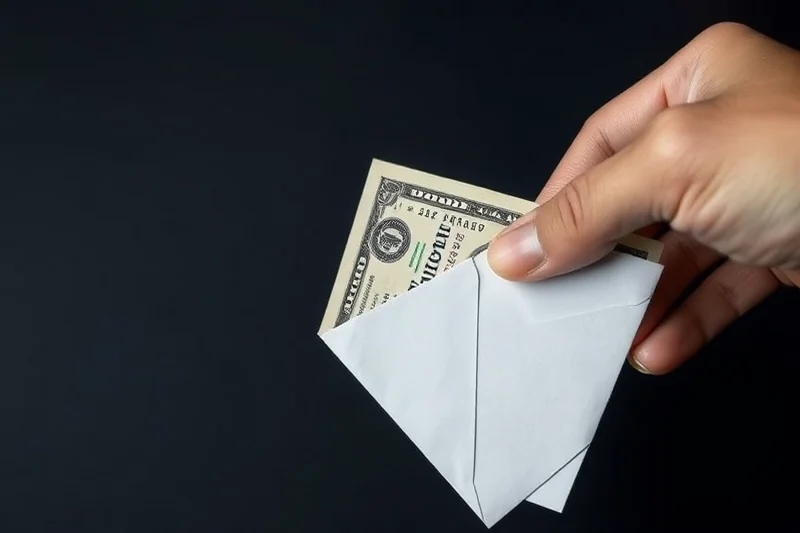
One of the most powerful aspects of cash envelope budgeting step by step guides tips is that it forces you to confront your spending in a way that digital budgeting apps never can. When I used my credit card, I didn’t feel the immediate loss of money. But when I took cash from my envelope and handed it to the cashier, it was a real, physical reminder that I was spending it.
I remember one week when I had $50 in my 'entertainment' envelope. After buying a movie ticket and a cup of coffee, I only had $25 left. It felt like a loss — not just an abstract number, but actual money in my hand. That made me think twice about spending on things I didn’t really need.
This physicality also helps you see how far your money can go. I found that with $100 in my 'groceries' envelope, I could stretch my meals much further than I would have if I had just charged the purchases to my card.
Cash is the only form of money that actually hurts when you spend it.
Related: Cash envelope budgeting step for beginners
Adjusting Your Budget as Life Changes
When I first started using cash envelope budgeting step by step guides tips, I was strict about my envelopes. If I overspent in one category, I’d skip out on another. That didn’t work — I ended up with empty envelopes and no fun.
I realized I needed to be more flexible. I started carrying a small emergency fund envelope with $50 in it, just in case something unexpected came up. That way, I could adjust my envelopes without completely derailing my budget.
I also learned to review my envelope amounts every few weeks. If my rent went up, I’d adjust my envelopes accordingly. It was a small, but important change that kept me from falling into financial stress.
Set aside a small, flexible envelope with cash for unexpected expenses. This gives you a buffer without derailing your other budgets.
“I used to live paycheck to paycheck, always one unexpected expense away from chaos.”— EnvelopeCash editors
Related: Diy cash envelope budgeting step by step guides
The Long-Term Benefits of Cash Envelope Budgeting
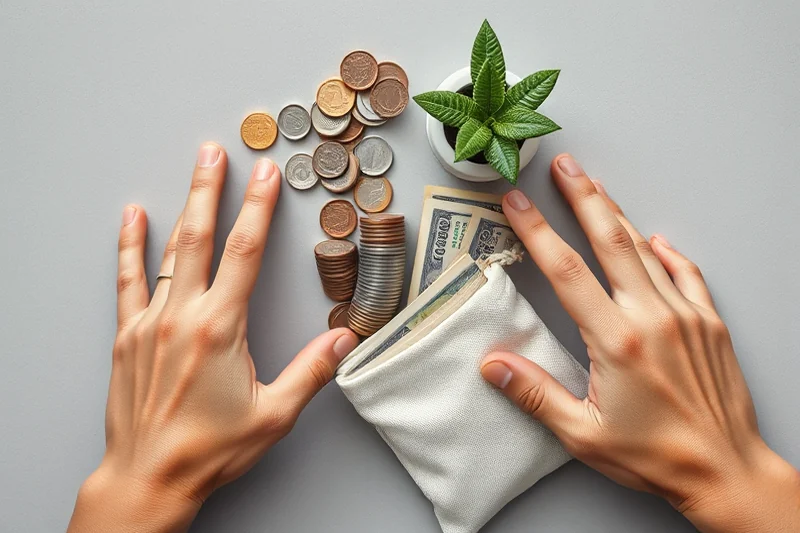
After three months of using cash envelope budgeting step by step guides tips, I noticed a shift in my habits. I was making fewer impulse purchases, and I was more aware of where my money was going. My savings account was growing, and I felt more in control of my finances.
I used to get overwhelmed by my credit card statements and the minimum payments. But with cash envelope budgeting, I could see exactly where my money was going each week, and I had a clear plan for the month ahead. It was empowering.
Over time, I also started to see how small changes in my envelopes could lead to big savings. For example, by reducing my 'entertainment' envelope from $100 to $60, I saved $40 a month — that’s $480 a year. That’s a real, tangible amount of money I hadn’t planned on, but it was there, waiting for me.
Related: Cash envelope budgeting step by step guides for beginners
Customizing Your System to Fit Your Lifestyle
I’ve met people who use cash envelopes for everything from paying for their child’s tuition to buying groceries. Others use it for short-term goals, like saving for a vacation or paying off debt. The key is to make it work for you.
I found that using a single envelope for 'miscellaneous' expenses was helpful, especially when I had unexpected costs. I also found that using a planner to track my envelope usage helped me see where I was spending and where I could cut back.
One of my favorite modifications was using a different color for each envelope. That way, I could quickly identify which ones were getting used up faster. It added a visual element that made budgeting more engaging and less tedious.
💰 Tight Budget
Perfect for those on a tight budget, this variation uses smaller envelopes and focuses on essentials like rent and groceries.
🚀 Aggressive Payoff
Ideal for people aiming to pay off debt quickly, this variation allocates more cash to debt payments and less to discretionary spending.
📊 Irregular Income
Tailored for those with fluctuating income, this version uses a rolling average and allows for more flexibility in envelope amounts.
🤝 Couples
Designed for couples, this variation divides envelopes based on shared and individual expenses, making it easier to track joint and personal spending.
🧭 Beginner
Simpler and more structured, this version is great for those new to budgeting and focuses on a few key categories to get started.
| The mistake | Why it happens | The fix |
|---|---|---|
| Not tracking expenses before starting | Without knowing where your money is going, you can’t properly allocate cash to your envelopes. | Track your spending for at least one month before starting to ensure you allocate the right amounts to each category. |
| Using too many envelopes | Too many envelopes can make the process overwhelming and harder to manage. | Start with a few key categories and expand as needed. Focus on the most important expenses first. |
| Not adjusting for life changes | Life changes can throw your budget off track if you don’t adapt. | Review your envelopes every few weeks and adjust them as needed. Stay flexible and open to change. |
| Using only one envelope for all discretionary spending | This can lead to overspending in one category and under-spending in another. | Break down your discretionary spending into specific categories and use separate envelopes for each. |
Related: Cash envelope budgeting step ideas
Cash Envelope Budgeting Step By Step Guides Tips
Related: Cash envelope budgeting step tips
Tracking and Reviewing Your Envelope Spending
Regularly reviewing your envelope usage helps you stay on top of your spending habits and make necessary adjustments.
I started setting aside 15 minutes each week to go through my envelopes and cross off the amounts I’d spent. This simple habit made me more aware of where my money was going, especially in categories like dining out and groceries. I noticed that I was overspending on lunch runs, so I began packing my own meals instead. This small change saved me around $150 a month without feeling deprived.
Tracking envelope usage can also highlight unexpected expenses, like car repairs or medical bills. When I reviewed my envelopes one month, I found that I had used up my transportation budget early because of a flat tire. This pushed me to set aside a separate emergency fund for unexpected costs, which I now keep in a clear, labeled envelope. It helped me avoid dipping into my savings for small surprises.
Over time, I found that reviewing my envelopes helped me identify which categories I was over or under-spending in. For instance, I realized I wasn’t using my entertainment envelope much, so I started allocating some of that money to activities I enjoy. This not only improved my financial discipline but also made my budget feel more personal and aligned with my values.
Avoiding the Temptation of Overspending with Cash Envelopes
Learn how to resist the urge to overspend by using cash envelopes strategically and maintaining mental discipline.
One of the most effective ways to avoid overspending with cash envelopes is to physically separate your discretionary funds from your essential ones. I once tried to use a single envelope for both groceries and dining out, and within a week, I had blown through my entire food budget. By creating distinct envelopes for each category—like eating out, groceries, and entertainment—I found that I was far more conscious of my spending. This separation forces a pause before spending, making it harder to fall into impulsive buying habits.
Another trick I’ve found useful is to set a strict limit on the amount in each envelope and avoid topping it up mid-month. I used to keep a spare envelope with extra cash on hand, which made it tempting to dip into it when I ran low. Now, I only refill envelopes at the start of the month, and I’ve even started keeping a small emergency fund in a separate, clearly labeled envelope. This strategy helps me avoid the trap of using “extra” cash for non-essential purchases.
To reinforce this habit, I also make a point of reviewing my envelopes every few days. I take a few minutes to look at which ones are nearly empty and which ones still have a lot left. This simple check helps me stay aware of my spending patterns and adjust as needed. It’s easy to get carried away with small purchases when you’re using cash, but keeping track of your envelopes can make a big difference in staying within your budget.
Common Questions
Can I use cash envelope budgeting if I earn irregular income?
How do I handle unexpected expenses with this method?
What if I run out of cash in an envelope before the month is over?
How much time does this method take each week?
References
Cite this guide
EnvelopeCash (2026). Cash Envelope Budgeting Step By Step Guides Tips. https://envelopecash.com/cash-envelope-budgeting-step-by-step-guides-tips/
Feel free to cite or share this guide.