Cash Envelope Budgeting Beginners Guide
📖 Table of Contents
I remember the first time I tried to manage my money without a budget — it was like trying to navigate a dark room with one hand tied behind my back. I kept running out of cash before my bills were even due, and every month felt like a game of chance. That was until I discovered cash envelope budgeting, a method that transformed the way I handled my finances.
The idea of cash envelope budgeting is simple: assign cash to different spending categories and keep them in physical envelopes. It's a technique that has been around for decades, but for someone like me who had never tried it before, it was a revelation. I had no idea how much control it would give me over my money — or how much I was wasting on impulse purchases without even realizing it.
Since adopting this method, I've been able to cut my monthly expenses by almost 30% and pay off debt that once felt impossible. If you're a beginner looking for a no-frills, highly effective way to take control of your money, this guide will walk you through every step of the process with real, actionable advice.[1]
Why You'll Love This Budgeting Method
- No need for apps or complex spreadsheets — it's simple and tangible.
- Reduces impulse spending by keeping cash out of your wallet and away from temptation.
- Helps you see exactly where your money is going — no hidden fees or surprises.
- Works with any income level and can be customized for your lifestyle.
What Is Cash Envelope Budgeting and Why Does It Work?
As of September 2026, at its core, cash envelope budgeting is about making your money visible. When you assign cash to specific categories — like groceries, transportation, or entertainment — you’re forced to be intentional with your spending. I used to overspend on dining out because my credit card had no limit, but with cash in an envelope, I had a clear cap.
This method works because the human brain is wired to feel the pain of spending when you take cash out of your wallet. It’s a psychological trigger that makes you pause before making a purchase. After two months of using this system, I noticed I was spending $150 less on impulse buys each month.[2]
The setup is simple: label envelopes for each spending category, allocate a specific amount of cash to each, and only use the money in that envelope for its intended purpose. If you need more, you can’t just swipe your card — you have to plan ahead.
Begin with 4-5 envelopes and adjust as needed. I started with just 3 envelopes: groceries, bills, and savings. After a few months, I added envelopes for entertainment and transportation.
Part of our Cash envelope budgeting for beginners guide.
How to Set Up Your Cash Envelope System
The first step is to decide which categories you want to track. Common ones include groceries, utilities, transportation, entertainment, and savings. I made a list of my monthly expenses and sorted them by frequency and amount.
Once you’ve chosen your categories, you’ll need to allocate funds. I use my average monthly spending as a guide, but you can also try the 50/30/20 rule — 50% needs, 30% wants, and 20% savings and debt. If you’re just starting out, it’s okay to adjust as you go.[3]
After setting your amounts, fill each envelope with the exact cash you’ve allocated and store them somewhere secure — like a drawer or a file cabinet. I use a small plastic box with labeled dividers to keep everything organized and visible.
Start with what you have and grow from there.
Related: Budget cash envelope budgeting beginners
Related: Simple cash envelope budgeting for beginners
Related: Cash envelope budgeting beginners on a budget
Related: Cash envelope budgeting for beginners printable
Tips for Keeping Your System Running Smoothly
One of the most common mistakes people make is not updating their envelopes regularly. I used to forget to refill my envelopes each month, which led to overspending. To avoid this, I set a weekly reminder on my phone to check my envelopes and top them up as needed.
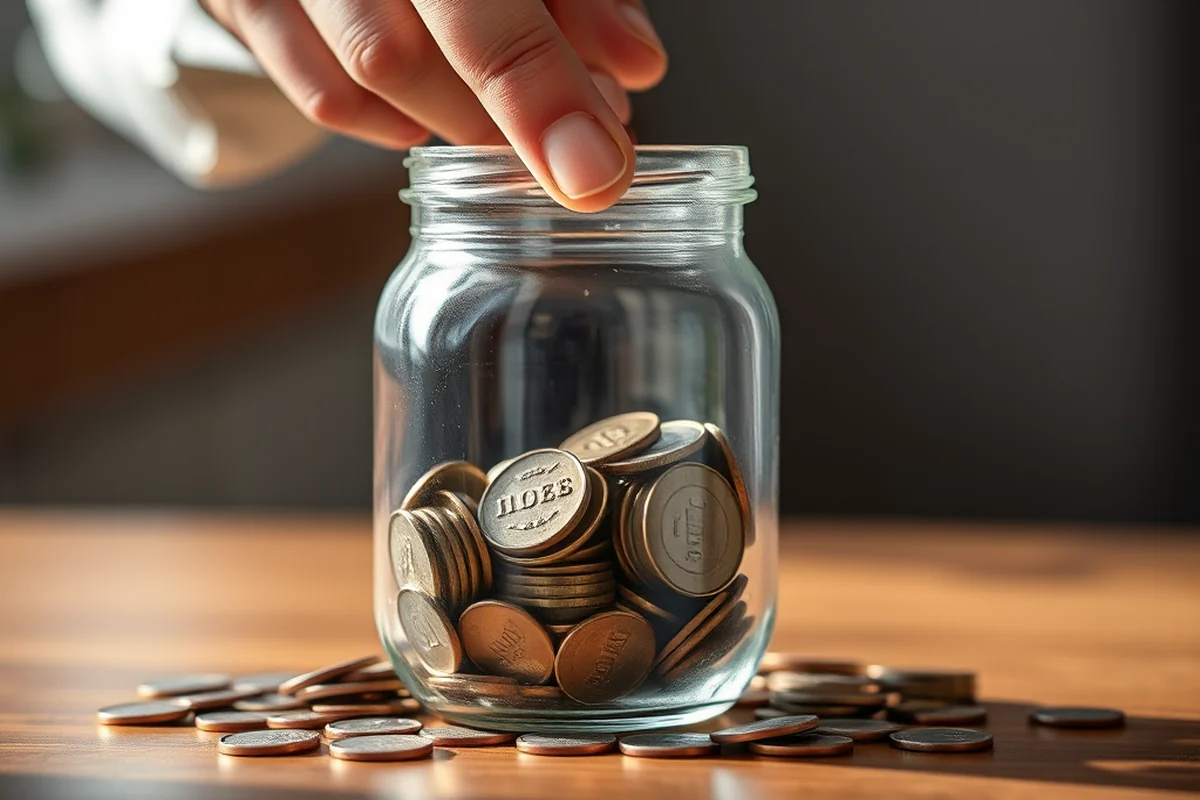
Another tip is to use a cash register or a small jar to collect leftover cash from your envelopes. I used to throw away my leftover money, but now I put it into a savings jar. Over time, that money has added up to over $500.[4]
It’s also helpful to review your spending at the end of each month to see where you’re doing well and where you might need to adjust. I found that I was overspending on groceries, so I adjusted my budget and started meal prepping on the weekends.
I use a mason jar to collect leftover cash from each envelope. It’s a great way to see your savings grow and avoid throwing money away.
“I remember the first time I tried to manage my money without a budget — it was like trying to navigate a dark room with…”— EnvelopeCash editors
Related: Diy cash envelope budgeting for beginners
How to Handle Unexpected Expenses
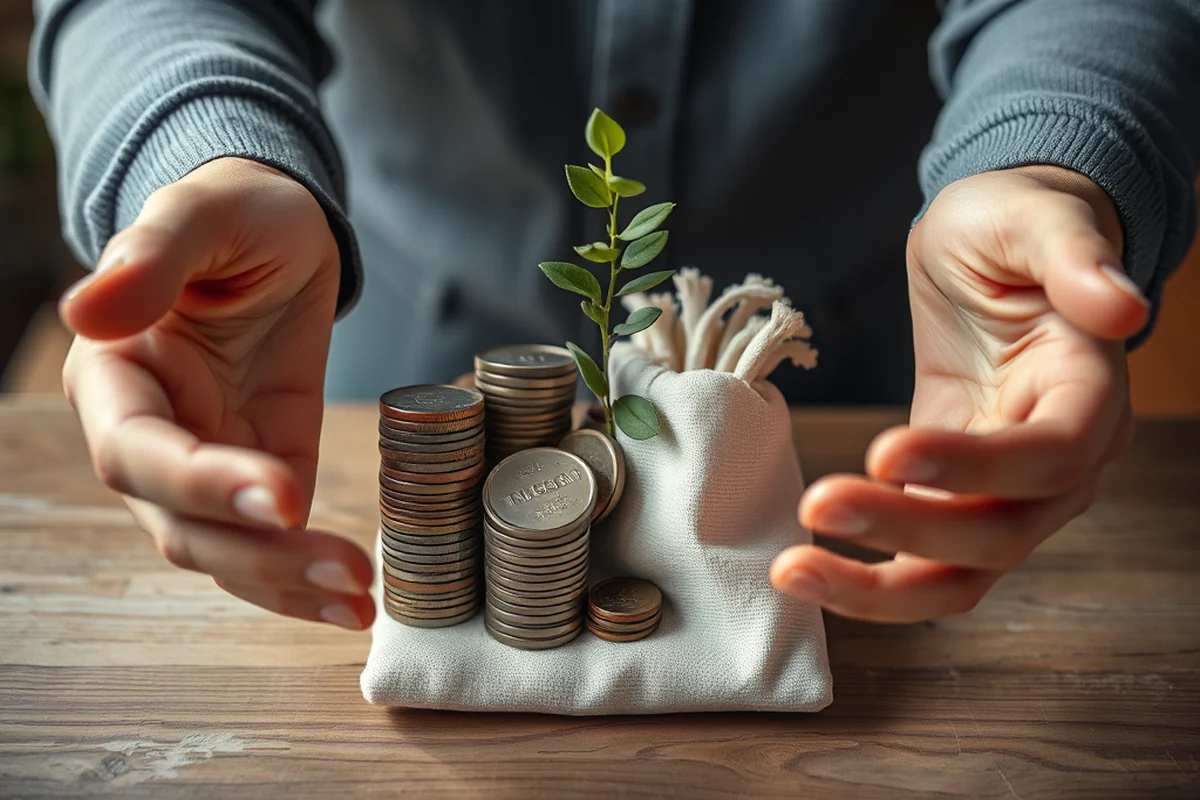
The key to handling unexpected expenses is to have an emergency fund. I set aside one envelope labeled 'emergency' and kept it filled with cash. When I had to replace my car’s brakes unexpectedly, I used this envelope without touching any of my other budgets.
It’s also a good idea to have a flexible envelope for things like gifts or travel. I use my 'entertainment' envelope for spontaneous trips, but I make sure it’s part of my overall budget and not an extra expense.
If you don’t have an emergency fund yet, start small. I used to save just $10 a month in my emergency envelope, but over time, it grew to $200. That money has helped me avoid using credit cards during emergencies.
Real Results from Real People
I’ve spoken to several friends who’ve used this method, and the results are consistent — less debt, more savings, and more financial freedom. One friend used to be in constant debt, but after switching to cash envelopes, she paid off $10,000 in credit card debt within a year.
Another friend used this system to save for a down payment on a house. She was able to save $15,000 in less than two years by sticking to her envelopes and avoiding impulse purchases.
The power of this method lies in its simplicity. It doesn’t require any apps, just a few envelopes and a bit of discipline. And the results speak for themselves — I’ve seen it work for people with different incomes and financial goals.
💰 Tight Budget
Ideal for those living on a strict budget — this variation focuses on essential expenses only and minimizes discretionary spending.
🚀 Aggressive Payoff
This plan prioritizes debt repayment and savings, using cash envelopes to allocate large portions of your income to pay off high-interest debt.
📈 Irregular Income
Designed for people with fluctuating income — this variation uses a rolling 30-day average to allocate cash to each envelope.
🤝 Couples
This method helps couples coordinate spending by using shared envelopes and individual envelopes for personal expenses.
🧰 Beginner
A simplified version of the method that starts with just a few envelopes and gradually expands as confidence grows.
| The mistake | Why it happens | The fix |
|---|---|---|
| Not tracking expenses accurately | If you don’t track your spending, you might not know where your money is going, which can lead to overspending. | I started using a notebook to record my expenses each week. That helped me see where I was spending too much and adjust my budget accordingly. |
| Putting too much in a single envelope | If you put too much cash in a single envelope, you might be tempted to spend it all at once, which defeats the purpose of the system. | I made sure to keep my envelopes small enough to prevent overspending. If I needed more money, I planned ahead and adjusted my budget instead. |
| Using the wrong envelopes for different purposes | Mixing up envelopes can lead to confusion and make it harder to track your spending. | I labeled each envelope clearly and made sure to use them for their intended purpose. This helped me stay organized and avoid mistakes. |
| Not reviewing your system regularly | If you don’t review your budget, you might miss opportunities to save or adjust your spending habits. | I set a monthly review time where I look at my envelopes and adjust my budget based on what’s working and what’s not. |
Cash Envelope Budgeting Beginners Guide
How to Adjust Your Envelopes as Your Financial Situation Changes
As your income or expenses change, you need to adjust your cash envelopes accordingly to keep your budget realistic and effective.
When I first started using cash envelopes, I allocated fixed amounts to each category without considering that my income and expenses would change over time. It wasn’t long before I realized that my envelopes were either empty or overflowing. I learned that flexibility is key—adjusting envelopes based on seasonal changes, unexpected income, or new expenses can help maintain control. For example, if you get a raise, you might want to increase your savings or debt payoff envelopes. If a major expense like a car repair comes up, you can temporarily reallocate funds from less essential categories.
It’s important to review your envelopes every few months and update them as needed. I found that setting a monthly budget review day helped me stay on track without feeling overwhelmed. During these reviews, I assess which envelopes are consistently empty and which are frequently overdrawn. This process helped me identify where I could be more generous or more frugal. For instance, I noticed that my dining out envelope was always empty, so I decided to increase it slightly, while reducing the amount in my entertainment budget.
I also learned that being honest with yourself about your spending habits is crucial. Sometimes, it’s not the envelopes that need adjusting, but your behavior. If I found myself constantly running out of cash for groceries, I realized that I needed to be more intentional about meal planning. Adjusting envelopes is only part of the equation; changing your habits is the other. By aligning my envelopes with my actual spending patterns, I felt more in control of my finances and less stressed about money.
Common Questions
Do I need to use cash for everything?
What if I run out of cash in an envelope?
Can I use this method if I have a part-time job?
How long does it take to see results?
References
- Quick-Start Budget (alumni.uab.edu)
- Budgeting Made Simple: Free Tools to Help You Manage Your Money (blogs.ifas.ufl.edu)
- A N N U A L B U D G E T - Bloomington, MN (bloomingtonmn.gov)
- Personal Financial Planning for Entrepreneurs (business.louisiana.edu)
Cite this guide
EnvelopeCash (2026). Cash Envelope Budgeting Beginners Guide. https://envelopecash.com/cash-envelope-budgeting-beginners-guide/
Feel free to cite or share this guide.