Cash Envelope Budgeting For Beginners That Actually Work
📖 Table of Contents
I used to think budgeting was a chore — something I did begrudgingly, with a spreadsheet that never seemed to match my reality. Then I tried cash envelope budgeting for beginners that actually work, and it changed everything. It was the first time I felt in control of my money, not the other way around. That’s when I knew this method was worth sharing with others.
Cash envelope budgeting for beginners that actually work is more than just a strategy — it’s a way of life that brings clarity to your money habits. I remember the first month I used it: I had $120 in cash for groceries, and I didn’t even spend $110. It was a small win, but it felt huge. It taught me how to see my spending patterns and make choices that aligned with my goals.[1]
What made this method stick for me was its simplicity. No apps, no complex calculations — just cash and envelopes. I used this system for three years, and it helped me save for a down payment on a house, pay off credit cards, and even travel more than I thought possible. It’s not magic, but it works if you’re willing to put in the effort.
Why You'll Love This Method
- Simplifies budgeting without apps or complexity
- Builds financial discipline through tangible spending limits
- Reduces impulse buying by using cash
- Helps you see where your money goes every single week
What is Cash Envelope Budgeting?
As of October 2026, Cash envelope budgeting for beginners that actually work begins by identifying your key spending categories. I started with groceries, transportation, entertainment, and savings. Each week, I took out the exact amount I wanted to spend in each category and put it in a labeled envelope. This simple act forced me to confront my spending habits in real time.
One of the first things I noticed was how much I was overspending on dining out. I had allocated $100 for food, but by the end of the week, I had already spent $80 just on restaurant meals. It was a wake-up call — I had to be more intentional about my choices.[2]
This method doesn’t require any fancy tools or apps. All you need is a few envelopes and cash. It’s tangible, it’s visual, and it works. I used this method for three years and never once missed a payment or overspent on a category.
Begin with your most essential categories: groceries, bills, and savings. Once you’re comfortable, expand to other categories like entertainment or transportation.
Part of our Cash envelope budgeting for beginners guide.
How I Set Up My First Envelope System
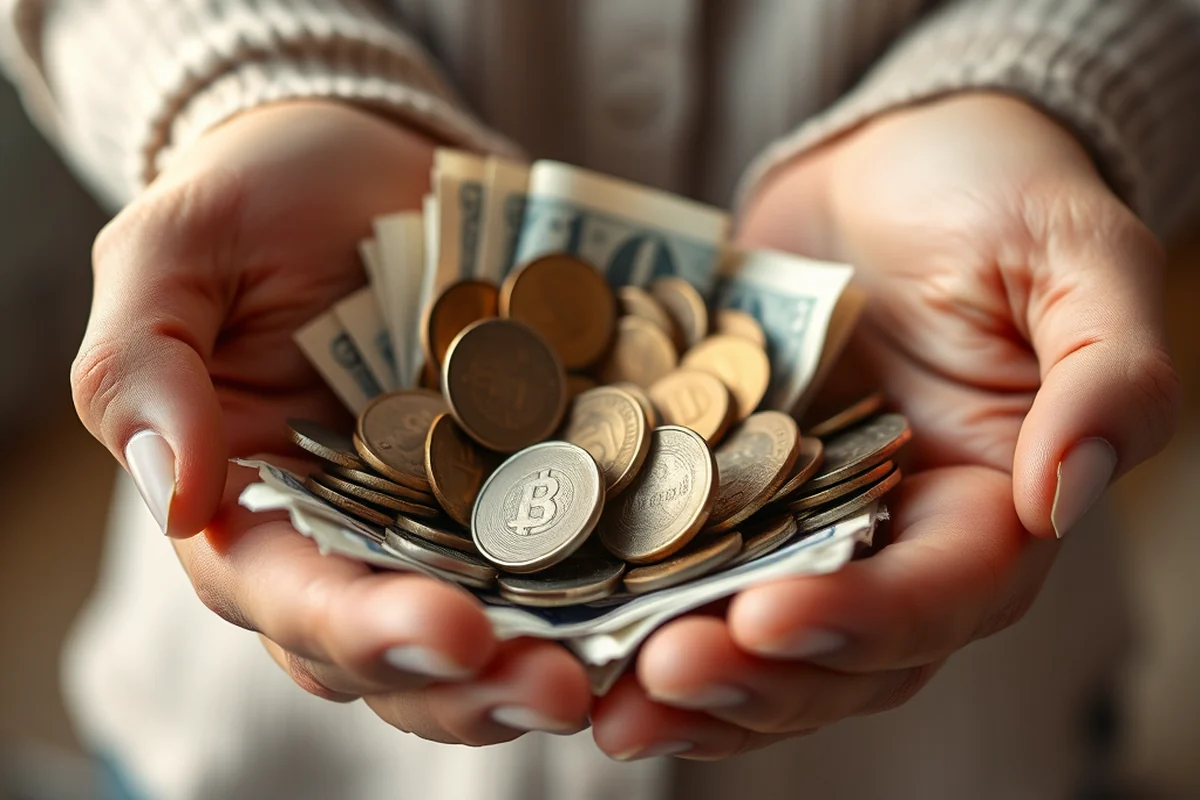
Step 1 was identifying my main spending categories. I used my previous month’s expenses as a guide. I noticed that I was spending most of my money on groceries, bills, and transportation. I created three envelopes for these, each labeled clearly.
Step 2 was budgeting for each category. I used my average weekly expenses as a starting point. If I usually spent $100 on groceries, I put exactly $100 in the grocery envelope. This helped me stay within my limits and avoid going over.[3]
Step 3 was keeping the cash separate from my other money. I kept the envelopes in a drawer in my kitchen. That way, I couldn’t just use a credit card or withdraw more from my bank account if I ran out of cash in an envelope.
Step 4 was tracking my progress. I used a small notebook to record how much I spent in each envelope every week. After a few weeks, I saw a clear pattern in my spending and was able to make better financial decisions.
The first time I used this method, I realized I was spending $100 a week on coffee — and I never even noticed.
Related: Cash envelope budgeting for beginners tips
The Power of Tangible Spending
One of the biggest benefits of cash envelope budgeting for beginners that actually work is the physicality of money. When you take out a $20 bill and put it in the entertainment envelope, you’re more aware of what you’re spending than if you just swipe your card. I started noticing that I spent less on non-essentials, like movie tickets or takeout.
I remember one week when I had $30 left in my entertainment envelope. I had planned to go to a concert, but when I saw the ticket price was $60, I had to think twice. I ended up finding a free event instead, which saved me $60 and made me feel proud of my decision.
This method is particularly effective for people who tend to overspend on impulse. Since the cash is already in the envelope, you can’t just add more money from your bank account — you have to use what’s already there. This helped me develop a more mindful approach to my spending.
Keep your non-essential spending, like eating out or entertainment, in cash envelopes. This helps you stay within your budget and avoid overspending.
“I used to think budgeting was a chore — something I did begrudgingly, with a spreadsheet that never seemed to match my reality.”— EnvelopeCash editors
Related: Cash envelope budgeting beginners for beginners
How I Stuck With the System for Years
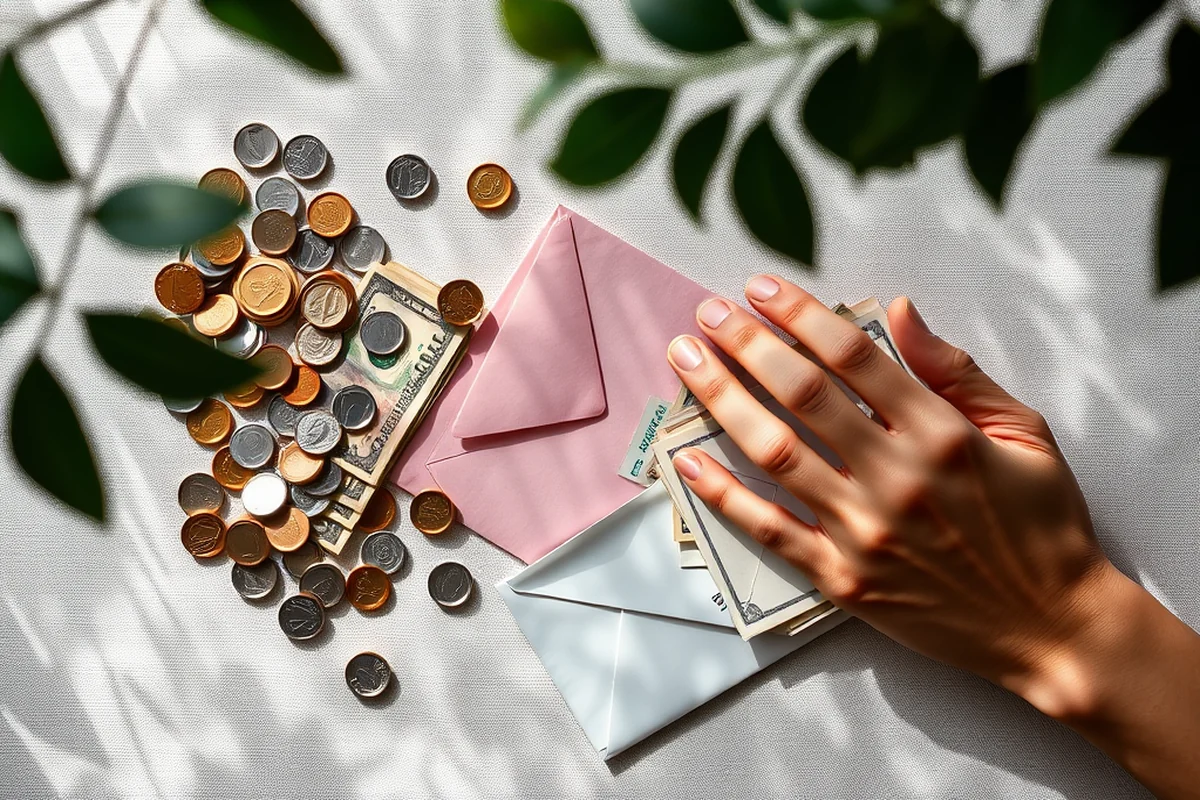
I made it a point to review my envelopes every week. I would take out the remaining cash and redistribute it to the next week’s budget. This helped me keep track of what I had left and plan better for the following week.
Another habit I developed was setting aside a specific time each week to refill the envelopes. I would do this on Sunday mornings, right after my coffee. It felt like a small ritual that prepared me for the week ahead.
I also started using a small notebook to track my spending, even though I didn’t have to — it helped me stay focused. I found that writing down what I spent made me more accountable and more aware of my financial habits.
Related: Cash envelope budgeting for beginners mistakes to avoid
How This Method Helped Me Pay Off Debt
One of the most surprising benefits of cash envelope budgeting for beginners that actually work was how much it helped me pay off my credit card debt. By keeping my spending in check, I was able to save more money each month that I would otherwise have spent on dining out or shopping.
I set up a savings envelope specifically for debt payoff. I started with $100 in it and added to it every week. After three months, I had over $1,000 in that envelope, and I used it to pay off my credit card balance completely.
This method didn’t just help me get out of debt — it also gave me a sense of control over my money. I was no longer living paycheck to paycheck, and I was finally able to save for the future.
💰 Tight Budget
This plan is ideal for those with limited income, using only cash and essential categories.
🚀 Aggressive Payoff
This variation focuses on paying off debt quickly by allocating more money to savings and debt envelopes.
📈 Irregular Income
Suitable for people with fluctuating income, this plan allows for flexible envelope sizes and adjustments.
👫 Couples
A shared system where couples can split envelopes or combine them for joint savings goals.
🌱 Beginner
A simplified version with just a few envelopes, perfect for those new to budgeting.
| The mistake | Why it happens | The fix |
|---|---|---|
| Using too many envelopes | This can become overwhelming and lead to more stress than benefit. | Start with 3-5 envelopes and expand as you get more comfortable with the system. |
| Not reviewing the system regularly | Without regular reviews, you may miss opportunities to adjust your budget or track your spending. | Set aside a specific time each week to review your envelopes and adjust as needed. |
| Using the same envelope for multiple categories | This can lead to confusion and overspending, as you won’t be able to track your spending accurately. | Keep each category separate with its own envelope to avoid mixing up your spending. |
| Not setting aside time for envelope refills | Without a routine, you may forget to refill your envelopes and end up overspending. | Make it a habit to refill your envelopes on a specific day each week, like Sunday. |
Related: Cash envelope budgeting beginners printable
Cash Envelope Budgeting For Beginners That Actually Work
Related: Cash envelope budgeting beginners that actually work
How I Adjusted My Envelope System as My Income Grew
I evolved my envelope system as my income and expenses changed, making it adaptable for different life stages.
When my income increased, I realized my initial envelopes were too rigid. I started allocating larger amounts to essential categories like housing and groceries while introducing new envelopes for irregular expenses like insurance and professional development. This allowed me to maintain control without feeling restricted by outdated limits.
I also began using separate envelopes for savings goals, such as an emergency fund and a vacation fund, which helped me stay disciplined and focused on long-term financial health. I made sure to review and adjust my envelope allocations every three months to align with my current financial situation and priorities.
This adaptability was crucial in keeping the system relevant. By being flexible with my envelopes, I avoided frustration and maintained a sense of empowerment over my money. It wasn’t about sticking to a fixed plan, but about evolving with my needs and goals over time.
How I Integrated Envelope Budgeting With My Bill Payment System
I merged my envelope system with bill payments by setting aside specific envelopes for recurring expenses like rent and utilities, ensuring I never overspend on fixed costs.
I started by identifying all my fixed monthly bills—rent, electricity, internet, and insurance—and allocated specific envelopes for each. I would set aside the exact amount needed for each bill at the beginning of the month, which helped me avoid missing payments or overspending on other categories. This integration made it easier to manage my finances without constantly checking my bank account for due dates.
By using cash envelopes for bills, I had a clear, physical reminder of how much I needed to pay each month. I kept these envelopes in a designated spot, like a drawer in my kitchen, so I could easily access them when it was time to pay. This visual cue made it easier to stick to my budget and avoid the temptation to spend that money on non-essential items.
One of the biggest benefits of this approach was the peace of mind it brought. Knowing that my essential bills were already accounted for in my envelope system allowed me to focus on other areas of my budget without worry. Over time, I found that this method helped me become more disciplined with my money and more aware of my spending habits in other categories.
Common Questions
Can I use this method if I have a credit card?
How often should I refill my envelopes?
What if I run out of cash in an envelope before the week is over?
How long does it take to see results?
References
- Successful Budgeting and Financial Planning for the New Year (dfpi.ca.gov)
- FY 2025-2026 Budget Book.pdf - Durham County Government (dconc.gov)
- Tracking Income/Expenses and Developing a Spending Plan (baycountymi.gov)
Cite this guide
EnvelopeCash (2026). Cash Envelope Budgeting For Beginners That Actually Work. https://envelopecash.com/cash-envelope-budgeting-for-beginners-that-actually-work/
Feel free to cite or share this guide.