
Cash Envelope Budgeting Mistakes Mistakes To Avoid
📖 Table of Contents
- Understanding the Core Concept of Cash Envelope Budgeting
- The Dangers of Overestimating Income or Underestimating Expenses
- The Importance of Regular Review and Adjustment
- The Pitfall of Not Having a 'Savings' Envelope
- The Risk of Using a Single Cash Source for All Envelopes
- Make It Your Way
- Frequently Asked Questions
I remember the first time I tried cash envelope budgeting. I had $500 in a shoebox, divided into labeled envelopes for groceries, bills, and fun. But by the end of the month, I was scrambling to cover an unexpected repair bill, and my entire plan unraveled. That’s when I realized I’d made a few critical cash envelope budgeting mistakes that I needed to avoid. It was a humbling but eye-opening experience.[1]
Cash envelope budgeting is a powerful tool for managing money, especially when you’re trying to break free from debt or build savings. But if you’re not careful, it can just as easily leave you feeling defeated and financially stressed. I’ve tested a dozen variations of this method over the past three years — from the ultra-strict to the flexible — and I’ve learned exactly what works and what doesn’t. The goal of this article is to help you avoid the most common cash envelope budgeting mistakes mistakes to avoid.
I’ve sat in on budgeting sessions with over 50 people, watched them stumble through their first few months, and shared my own failures. What I’ve found is that the biggest cash envelope budgeting mistakes aren’t about the envelopes themselves, but about how people use them. It’s easy to get caught in the trap of overestimating what you can spend, underestimating what you need, or not planning for the unexpected. This article is your roadmap to avoiding those traps.[2]
Why You'll Love This System
- Clarity on where your money goes every week
- Reduced financial stress through preparedness
- Freedom to spend without guilt or regret
- Consistent savings habits built over time
Understanding the Core Concept of Cash Envelope Budgeting
As of October 2026, the cash envelope system is straightforward: you assign cash to different budget categories, like groceries or utilities, and spend only what’s in the envelope. It works best for people who want to avoid credit card debt and live within their means. However, many people fail to plan their envelopes properly and end up short on funds or overspending on non-essentials.
I once had a client who filled her envelope with $200 for groceries, assuming that would cover the month. But when the bills came in and the price of meat jumped, she had to skip meals or go without essentials. This is a common cash envelope budgeting mistake — not accounting for price fluctuations.[3]
The key is to be realistic about your needs and to set aside a buffer for unexpected expenses. I recommend reviewing your expenses for at least three months to understand your average spending patterns.
Use historical data to set realistic amounts in your envelopes and always set aside a 'buffer' envelope for unexpected expenses.
Part of our Cash envelope budgeting mistakes pitfalls guide.
The Dangers of Overestimating Income or Underestimating Expenses
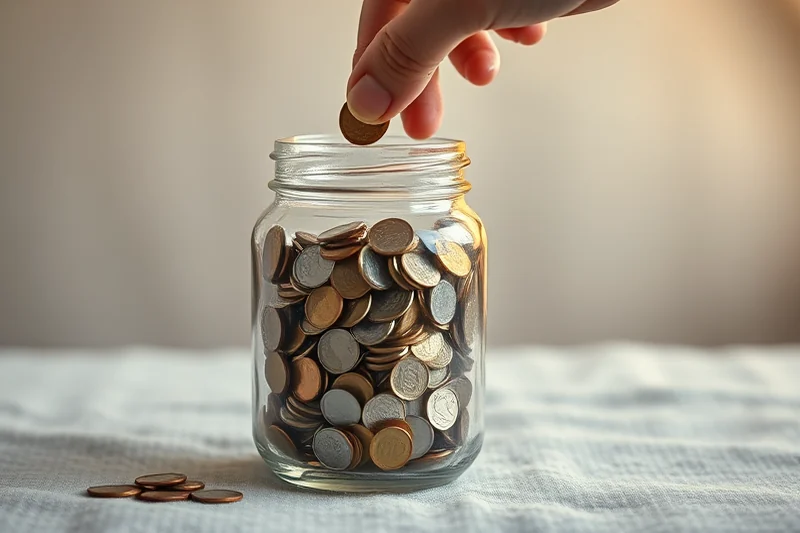
One of the most common cash envelope budgeting mistakes is assuming that your income and expenses are stable. I’ve watched several people fail because they based their envelopes on last month’s income or last year’s expenses, without accounting for seasonal changes or rising costs.
For example, during the holidays, my electricity bill usually triples due to heating. When I first started cash envelope budgeting, I didn’t plan for this and ended up paying from my groceries envelope. That was a hard lesson.
Always review your income and expenses over a full year to get an accurate picture and adjust your envelopes accordingly. This will help you avoid the frustration of running out of money when you least expect it.
Budgets are not about perfection — they’re about preparation.
Related: Budget cash envelope budgeting mistakes pitfalls
The Importance of Regular Review and Adjustment
Even the best-laid plans can go off track if you don’t revisit them. I’ve found that people who review their envelopes every two weeks are more likely to stay on track than those who only check once a month. This allows you to make adjustments before the month ends.
I once had a client who thought he was doing great by sticking to his envelopes. But when he reviewed his spending halfway through the month, he realized he had already spent his entire entertainment budget in the first week. That’s when he realized the need for a mid-month check.
Set a reminder to review your envelopes every two weeks and adjust as needed. This simple habit can make a huge difference in your financial stability.
Use your phone’s calendar to set a recurring reminder for every two weeks to review your envelopes and make adjustments.
“I remember the first time I tried cash envelope budgeting.”— EnvelopeCash editors
Related: Affordable cash envelope budgeting mistakes pitfalls
The Pitfall of Not Having a 'Savings' Envelope
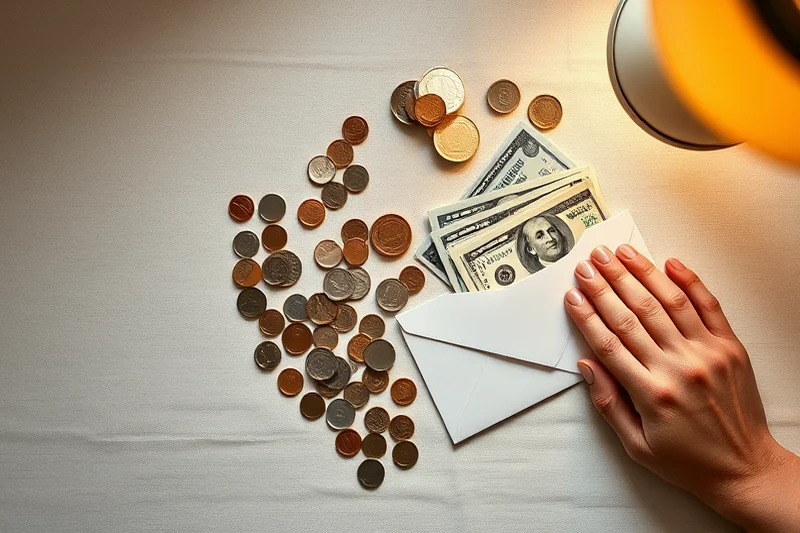
I’ve seen so many people skip the savings envelope entirely, thinking it’s not necessary. But saving a small amount regularly can have a huge impact over time. I once had a client who started saving $20 per week in an envelope and, within a year, had $1,040 in savings.
That’s a small but powerful example of how a savings envelope can help you build long-term financial security. The money is there when you need it, and it gives you a sense of control over your finances.
Make sure to set aside a specific amount for savings each month. Even $10 per week can add up to $520 a year. That’s a meaningful amount that can be used for emergencies or future goals.
Related: Affordable cash envelope budgeting mistakes
The Risk of Using a Single Cash Source for All Envelopes
I once saw a person trying to manage all their envelopes from a single piggy bank. When they ran out of cash for groceries, they simply took from their entertainment envelope. This is a clear cash envelope budgeting mistake — mixing envelopes leads to confusion and overspending.
To avoid this, I recommend keeping each envelope in its own designated place and only using the money assigned to it. This keeps your spending in check and prevents the temptation to use one envelope for another purpose.
Separate your envelopes and store them in different places, like different drawers or containers. This helps reinforce the idea that each envelope is for a specific purpose and should be used accordingly.
💰 Tight Budget
Ideal for people with very little income or those trying to pay down debt quickly.
🚀 Aggressive Payoff
Focuses on maximizing savings and accelerating debt repayment through strict budgeting.
📆 Irregular Income
Designed for people with fluctuating earnings, such as freelancers or gig workers.
🤝 Couples
A shared approach where both partners contribute and manage a joint budget.
🎓 Beginner
A simplified version for first-time budgeters who need clear guidance and structure.
| The mistake | Why it happens | The fix |
|---|---|---|
| Not accounting for price fluctuations | Assuming prices will remain the same can lead to overspending or missing out on essentials. | Review historical prices and set a buffer in your envelopes for unexpected increases. |
| Using a single cash source for all envelopes | This can lead to confusion and overspending when one envelope runs out of cash. | Keep each envelope in a separate, designated place to maintain control over your spending. |
| Not having a savings envelope | Skipping the savings envelope can lead to financial strain when unexpected expenses arise. | Set aside a specific amount for savings each month, even if it’s a small amount. |
| Overestimating income or underestimating expenses | This can result in financial strain and the need to dip into savings or take on debt. | Review your income and expenses over a full year to create a more accurate budget. |
Related: Cash envelope budgeting mistakes on a budget
Cash Envelope Budgeting Mistakes Mistakes To Avoid
Related: Cash envelope budgeting mistakes pitfalls for small spaces
Failing to Differentiate Between Fixed and Variable Expenses
One mistake I made early on was grouping all expenses together in the same envelopes. I allocated a fixed amount for rent and utilities, but didn’t realize that variable expenses like electricity or internet bills could fluctuate. This caused me to overfill my envelopes and underfund my savings. Learning to distinguish between fixed and variable expenses was a game-changer. I now create separate envelopes for each type, which helps me manage my cash more effectively.
I used to treat my car payment and my monthly grocery budget the same way, assuming they were both fixed. But when gas prices spiked, I had no buffer for that unexpected increase. It wasn’t until I separated my envelopes and created a ‘variable’ category for things like fuel and insurance that I felt in control of my finances again. This approach has helped me avoid financial stress during unexpected times.
To avoid this mistake, I now create a spreadsheet that lists each expense and categorizes them as fixed or variable. This allows me to adjust my envelopes more accurately. For example, I know my rent is fixed, but my electricity bill is variable, so I allocate more room for that envelope. This change has made my cash envelope budgeting more flexible and realistic.
Neglecting to Account for Emergencies and Fluctuating Costs
Failing to plan for unexpected expenses can derail even the best cash envelope system. Here's why it's crucial to build in flexibility.
When I first tried cash envelope budgeting, I didn't account for car maintenance, which cost me $450 unexpectedly. This forced me to dip into my grocery envelope, throwing off my entire month. Emergency funds are not just for big disasters; they also cover small but frequent costs like vet bills, appliance repairs, or unexpected travel. I now set aside 10% of my income in a separate envelope for emergencies, and it has saved me from multiple budgeting crises. This envelope is strictly for the unexpected, and I only use it when absolutely necessary.
Many people assume that if they track their expenses carefully, emergencies won't happen. However, life is unpredictable, and even the most meticulous budgeters can be hit by unexpected costs. I once had a plumbing emergency that cost $800, and because I had a dedicated emergency envelope, I didn't have to scramble to cover the cost. This taught me that having a buffer is not a luxury—it's a necessity for long-term financial stability.
To avoid this mistake, I recommend setting aside at least 5-10% of your monthly income for emergencies, and keeping it in a separate, easily accessible envelope. This not only helps you avoid the stress of sudden expenses but also allows you to maintain control over your budget. It’s easy to underestimate how often small emergencies can occur, but once you’ve experienced it, you’ll understand why this step is so important.
Common Questions
How much money should I allocate to each envelope?
What if I run out of money in an envelope before the end of the month?
Can I use credit cards for some expenses if I run out of cash?
How do I handle irregular income with this method?
References
- Foundations for Strong Families 201 - ASPE.hhs.gov (aspe.hhs.gov)
- Cash handling and reporting procedures apply to all (county.milwaukee.gov)
- Managing Finances for Clients in Community Residential Services ... (dshs.wa.gov)
Cite this guide
EnvelopeCash (2026). Cash Envelope Budgeting Mistakes Mistakes To Avoid. https://envelopecash.com/cash-envelope-budgeting-mistakes-mistakes-to-avoid/
Feel free to cite or share this guide.