Quick Cash Envelope Budgeting For Beginners
📖 Table of Contents
I remember the first time I tried to budget with cash envelopes. I had just started my first job, and I was drowning in credit card bills and unexpected expenses. I felt like I was trying to juggle a dozen plates, and I was constantly dropping them. That was until I stumbled on the cash envelope budgeting method. It wasn’t perfect, but it gave me a tangible way to control my money and stop feeling like I was always behind. It didn’t take long for me to realize how much power I gained simply by putting money into physical envelopes and watching it shrink week after week.
What I loved most about the cash envelope budgeting method was that it worked for me, even with my erratic income and my tendency to spend on impulse. It didn’t require fancy software or a deep understanding of financial jargon. All I needed was a few paper envelopes, a notebook, and a little bit of discipline. I started with $200 a week, split into envelopes for groceries, rent, utilities, and savings. It was messy at first, but within a few weeks, I found myself spending exactly what I had set aside, not a penny more. It was like having a little financial guardrail that kept me from overspending.[1]
Now, I use the cash envelope method every month. It’s become second nature to me. I’ve even taught it to my friends and family, and several of them have told me it’s the only budgeting system that’s ever worked for them. If you’re new to budgeting or if you’ve tried other methods and failed, this article is for you. I’ll walk you through the exact steps I took to create a working system for myself. I’ll show you how you can do the same — no confusion, no complicated spreadsheets, just simple, actionable steps that actually work.
Why You'll Love This Quick Cash Envelope Budgeting System
- It gives you immediate control over your spending through physical cash limits.
- It’s simple enough to set up in under 15 minutes.
- It reduces impulse spending by making every purchase a conscious decision.
- It’s flexible enough to work for people with irregular incomes or unpredictable expenses.
What Is Cash Envelope Budgeting and How Does It Work?
As of September 2026, the idea is simple: you divide your income into physical envelopes, each labeled with a specific category like 'groceries' or 'entertainment'. You only carry the cash in the envelopes that you need for the day or week, and when the cash runs out, you stop spending in that category. I tried this for the first time with $200 a week, and I was amazed at how quickly I started noticing where my money was going.[2]
This method is especially helpful for people who find it hard to track spending with apps or credit cards. When you're using physical cash, it becomes harder to overspend, and you can actually see your money disappearing as you use it. It’s a great way to bring awareness to your spending habits and make changes without feeling like you're being forced into a strict diet of money.
I’ve used this method for over a year now, and I can tell you that it’s not about deprivation — it’s about making smarter financial decisions. When I first started, I was spending $50 a week on coffee and fast food. After a few weeks of using cash envelopes, I noticed I was spending only $15 a week, and I didn’t miss the extra $35. It was a small change, but it added up to a lot over time.[3]
Don’t set your envelopes too low or too high. If they’re too low, you’ll feel like you’re always running out of money. If they’re too high, you’ll lose the point. I recommend starting with a budget that’s slightly below your current spending to build the habit.[4]
Part of our Cash envelope budgeting for beginners guide.
Why Cash Envelope Budgeting Works for Beginners

I’m not a financial expert, and I never claimed to be. But I’ve watched my money habits change dramatically since I started using cash envelopes. I used to think budgeting was something only wealthy people needed, but I quickly realized that it was a tool for everyone, especially those who struggled with overspending or debt.
What makes this method so effective for beginners is that it’s all about physical cash. There’s something satisfying about holding the exact amount of money you’re supposed to spend for a week and watching it decrease as you buy groceries or pay for a movie. It’s a tangible way to see how your money moves and where you might be going overboard.
I’ve had friends who are in their 30s and 40s who’ve told me they tried every other budgeting method and failed. They found cash envelopes to be the only one that actually worked. It’s not because it’s the most advanced method, but because it’s the most accessible. You don’t need to know anything about spreadsheets or financial jargon — just a few envelopes, some cash, and a little discipline.
Money doesn’t lie — it just needs a home.
Related: Cash envelope budgeting beginners step by step
How to Set Up Your First Cash Envelope Budget
First, you’ll need to decide how much money you want to allocate to each category. I recommend starting with your most important expenses like rent, utilities, and groceries. Then, you can add envelopes for optional spending like entertainment, dining out, or shopping. I used to use a $200 weekly budget, and I split it into envelopes like 'groceries' ($50), 'rent' ($100), 'utilities' ($20), and 'entertainment' ($30).
Once you’ve set your budget, you’ll need to create the envelopes. I used old gift bags and labeled them with a marker. It didn’t need to be fancy — just something that would keep the cash from spilling out. I always kept the envelopes in a clear plastic container so I could see exactly how much money I had left in each category.
This process didn’t take me more than 15 minutes the first time, and I was already seeing results. Within a few weeks, I had managed to cut my entertainment spending in half and save more money for my emergency fund. It’s not about strict rules — it’s about awareness and making small, conscious choices about where your money goes.
Even though you’re using cash, it’s helpful to track your spending in a notebook or a budgeting app. This helps you see patterns and make adjustments. I use a simple notebook with a section for each envelope and note down my expenses as I go.
“I remember the first time I tried to budget with cash envelopes.”— EnvelopeCash editors
Related: Budget cash envelope budgeting beginners
Common Challenges and How to Overcome Them
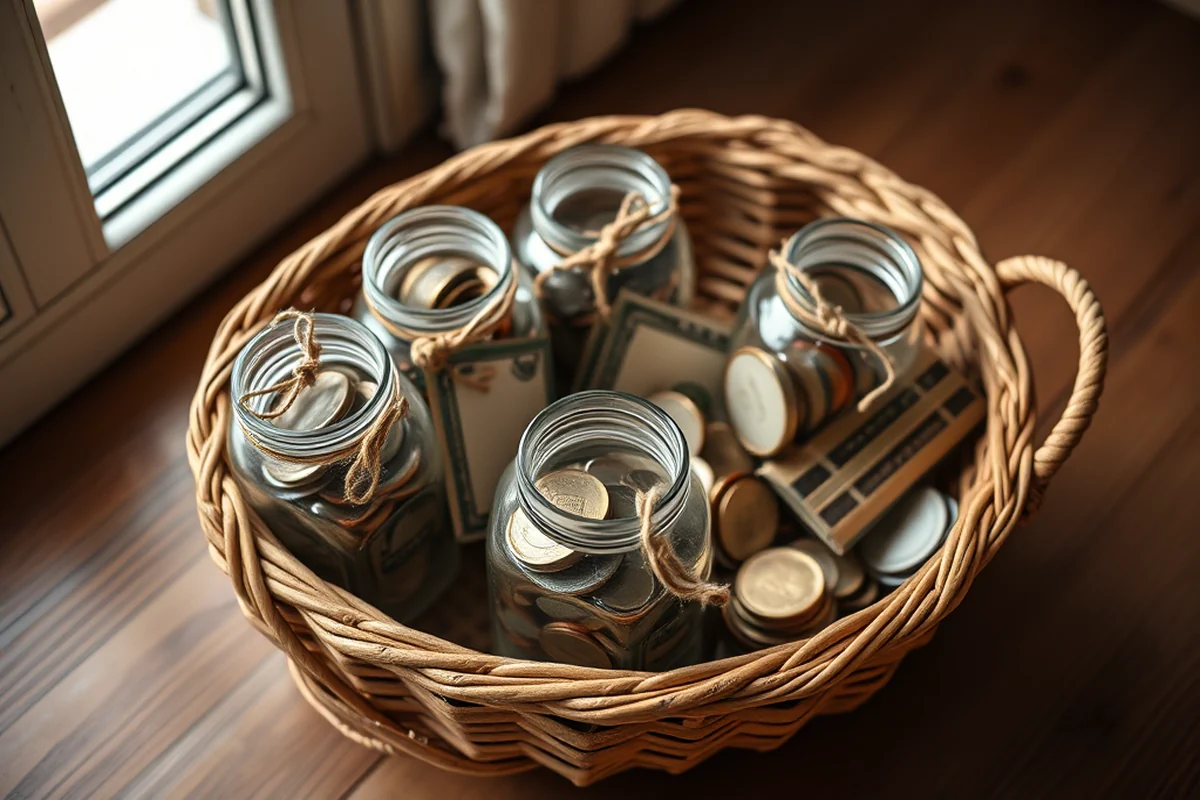
One of the biggest challenges I faced was running out of money in an envelope before the end of the week. I had set my entertainment budget too low, and I ended up skipping out on a movie I had planned for the weekend. It was frustrating at first, but I realized that this was exactly the point — it was forcing me to be more mindful of my spending.
Another challenge was carrying too many envelopes everywhere, which became inconvenient. I solved this by using a small bag I kept in my purse. I only carried the envelopes that I needed for the day, and I kept the rest in the bag for the next day. It made things much easier and less overwhelming.
I also found that I sometimes forgot to put money back into an envelope after using it. To fix this, I started keeping a small notebook where I recorded how much I had used in each envelope. It helped me stay on track and avoid running out of money unexpectedly.
Related: Diy cash envelope budgeting for beginners
The Long-Term Benefits of Cash Envelope Budgeting
One of the biggest benefits I’ve noticed is that I’ve started saving more money without even trying. When I see my envelopes getting thinner each week, it motivates me to find ways to save more. I’ve even started setting aside money for my emergency fund by simply putting a small amount into a 'savings' envelope every week.
Over time, I’ve also found that my spending has become more intentional. I used to buy things on impulse, but now I think twice before making a purchase. I’ve had to say 'no' to things like new clothes or dining out more often. I’ve realized that I’m not missing out on anything — I’m just being more thoughtful with my money.
Another benefit is that I’ve started building better habits around budgeting and financial planning. I no longer feel like I’m constantly running out of money. I’ve learned how much I need for basic needs, how much I can spend on fun, and how much I should save. It’s empowering to know that I have control over my finances and that I’m not at the mercy of debt or overspending.
💰 Tight Budget
Perfect for people with very limited income who need to prioritize essentials like food, housing, and utilities.
💸 Aggressive Payoff
Tailored for people who want to pay off debt quickly by using cash envelopes to strictly control discretionary spending.
📈 Irregular Income
Ideal for freelancers or gig workers who need to manage fluctuating income by adjusting envelope amounts each month.
👫 Couples
Works well for couples who want to share financial responsibilities and avoid overspending on shared expenses.
👶 Beginner
A great starting point for anyone new to budgeting who wants a simple, visual, and hands-on method.
| The mistake | Why it happens | The fix |
|---|---|---|
| Setting envelopes too low or too high. | If your envelopes are too low, you might end up cutting essential expenses. If they’re too high, you might not feel the impact of your spending. | Start with a budget that’s slightly below your current spending and adjust over time as you see what works for you. |
| Trying to carry too many envelopes at once. | Carrying too many envelopes can be inconvenient and overwhelming, making it hard to stick with the method. | Only carry the envelopes you need for the day or week, and keep the rest in a bag or container until you need them. |
| Not tracking your spending. | If you don’t track your spending, you might not realize where your money is going or how close you are to running out of cash. | Use a notebook or a budgeting app to keep track of your expenses and make adjustments as needed. |
| Ignoring the envelope for savings. | If you don’t allocate money for savings, you might end up using it for other expenses and not build any financial cushion. | Always include a savings envelope in your budget, even if it’s just a small amount each week. |
Related: Diy cash envelope budgeting beginners
Quick Cash Envelope Budgeting For Beginners
Related: Simple cash envelope budgeting beginners
Common Questions
How do I adjust my envelopes if my income changes?
Can I use cash envelope budgeting if I have a credit card?
What should I do if I run out of money in an envelope?
How often should I review my budget?
References
- Cambridge FY26 Submitted Budget (cambridgema.gov)
- Healthy Relationships and Financial Stability - ASPE.hhs.gov (aspe.hhs.gov)
- Making Financial Education Inclusive to All Students (tre.wa.gov)
- Q1 How do you prefer to vote? (legacy.recorder.maricopa.gov)
Cite this guide
EnvelopeCash (2026). Quick Cash Envelope Budgeting For Beginners. https://envelopecash.com/quick-cash-envelope-budgeting-for-beginners/
Feel free to cite or share this guide.