Cash Envelope Budget Planner
📖 Table of Contents
The first time I used a cash envelope budget planner, I felt like I'd unlocked a secret to financial peace. I had spent years juggling credit card statements and feeling the weight of debt. When I physically saw the cash for my groceries, utilities, and entertainment neatly divided into envelopes, it was like seeing a roadmap to my future. I had finally taken control — and I've never looked back. For the full picture, see our cash envelope budgeting guide — our complete hub on the topic.
Before I discovered the cash envelope method, I was constantly stressed about overspending. I remember one particularly rough month where I accidentally spent my entire paycheck on a single weekend. That was the moment I realized I needed a different approach — something tangible, something that wouldn’t let me overspend without consequence. The cash envelope budget planner became that tool for me.
What I love most about this method is how simple it is. I take my monthly income, divide it into categories like rent, groceries, and transportation, and put the exact amount needed for each in a labeled envelope. There’s no guesswork, no apps, and no surprises. It’s been the most effective way I’ve ever managed my money, and I want to share exactly how I did it.
Why You'll Love This Cash Envelope Budget Planner
- It gives you full control over your spending — no more hidden fees or surprise charges.
- You eliminate the need for credit cards and reduce debt over time.
- It keeps your spending visible and tangible, making it easier to stay on track.
- It’s incredibly simple to set up and maintain — no complicated apps or software required.
How to Create Your Cash Envelope Budget Planner
As of September 2026, the first step in creating your cash envelope budget planner is to track your income and expenses for at least one month. This gives you a clear picture of where your money goes and helps you identify unnecessary spending.
Once you have a list of all your monthly expenses, you can allocate your income into specific envelopes. For example, if your rent is $1,200, you’ll put exactly that amount into the rent envelope. This way, you never spend more than you have allocated for each category.[1]
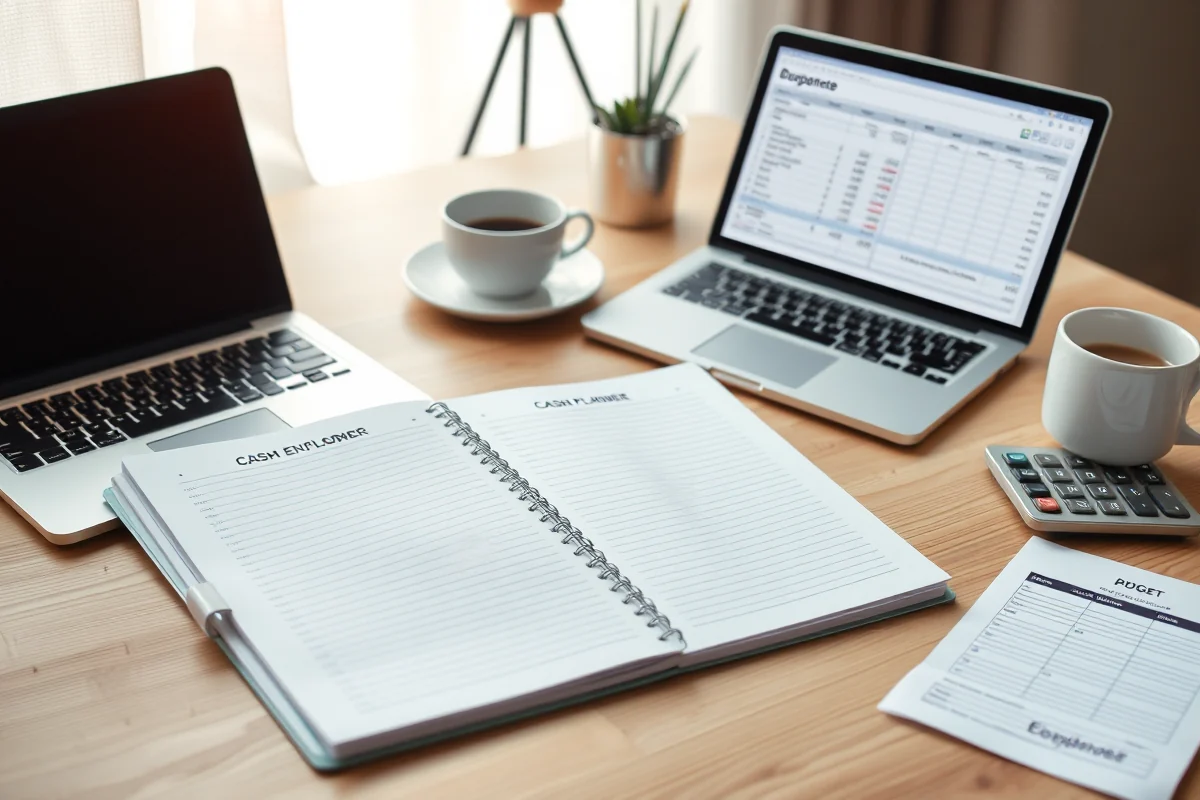
I found that using colored envelopes with clear labels helps me stay organized and reduces the chance of mixing up categories. I also keep a small notebook next to my envelopes to note any changes or adjustments I make to my budget.
Using clear, legible labels for each envelope and placing them in a visible spot helps you stay on track with your budgeting goals.
The Power of Physical Money in Budgeting
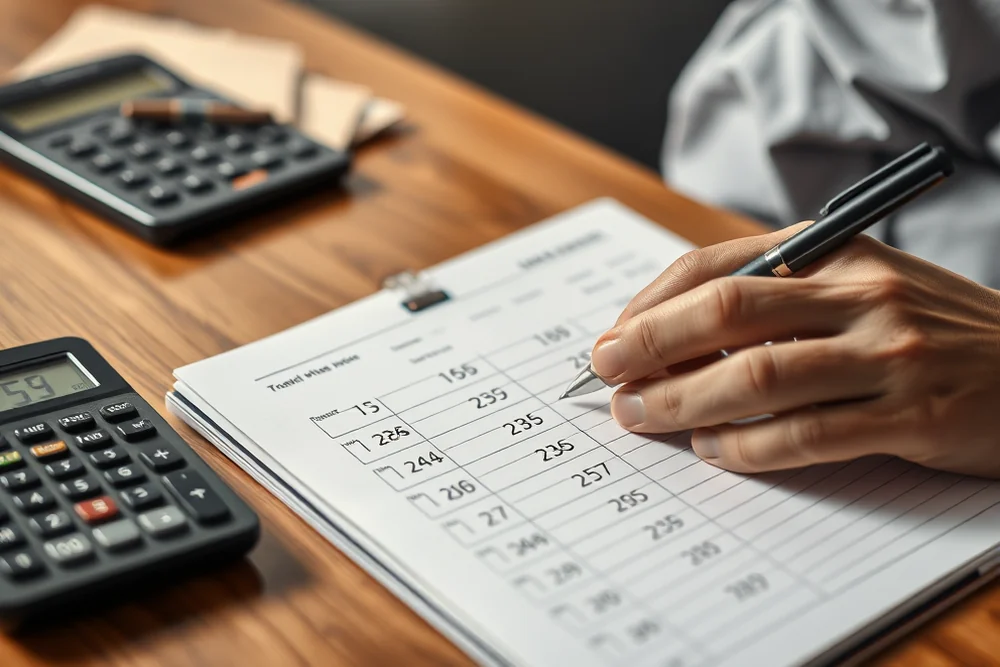
One of the most surprising benefits of the cash envelope method is the way it makes spending feel more real. I used to think of money as something that could disappear easily, but seeing it in my hands and knowing I can only use a certain amount in each category changed everything.
When you use cash instead of credit cards or apps, you’re forced to be more mindful of your spending. I remember one month when I had $100 in my entertainment envelope and I only spent $40 — that leftover cash went directly into my savings, which was an unexpected and welcome result.[2]
For me, the physicality of the envelopes made budgeting feel less abstract and more like a daily habit. I could see the money I had left for the week and knew exactly how much I could spend on dining out or shopping.
Cash is like a timer — you know exactly how long it will last.
Related: Cash envelope budgeting method
Customizing Your Cash Envelope Budget Planner
Everyone’s financial situation is different, so it’s important to tailor your cash envelope budget planner to your needs. For example, if you work multiple jobs or have fluctuating income, you might need to adjust your envelopes monthly instead of weekly.
I like to review my budget at the end of each month and adjust my envelopes based on what I actually spent. This helps me stay flexible while still keeping my spending in check.
Another way to customize your planner is to use different types of envelopes or even a small box with compartments for each category. This makes it easier to organize and track your cash.
If your income fluctuates, it might be more practical to review and adjust your envelopes once a month instead of weekly.
“The first time I used a cash envelope budget planner, I felt like I'd unlocked a secret to financial peace.”— EnvelopeCash editors
Related: Cash envelope budgeting tips
Staying Motivated with Your Cash Envelope Budget Planner
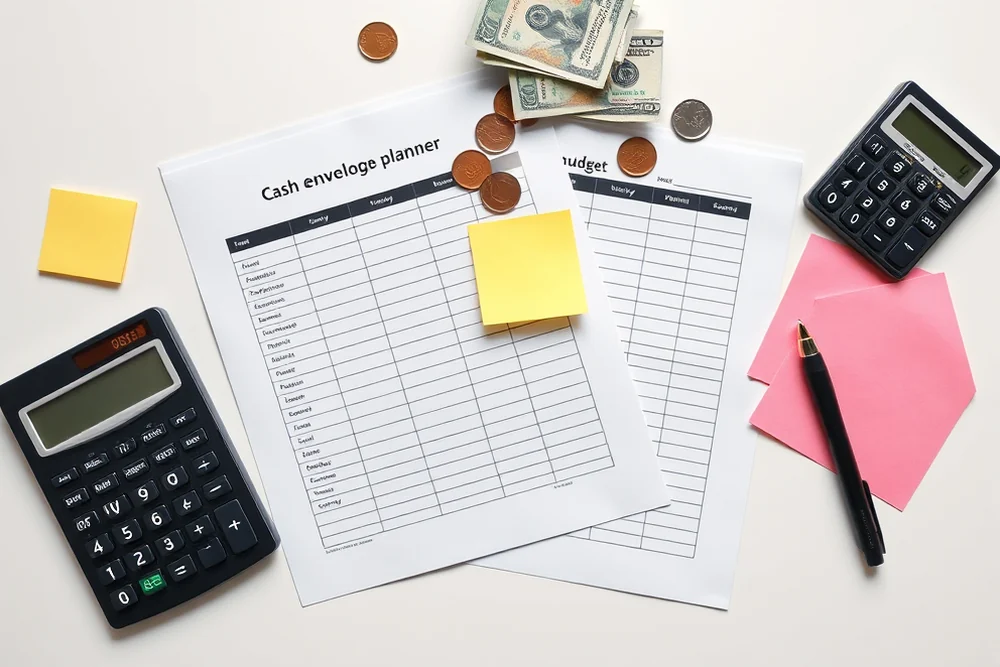
One of the biggest challenges with any budgeting method is staying consistent. I found that setting small, achievable goals helped me stay motivated. For example, I aimed to save $50 each month from my grocery envelope, which was a manageable and rewarding goal.
Another way to stay motivated is to track your progress. I keep a small notebook where I jot down how much I’ve saved each week and how much I’ve used from each envelope. This gives me a sense of accomplishment and helps me see where I can improve.
I also like to reward myself when I meet my goals. Whether it’s a small treat or a new book, these rewards help reinforce the habit and keep me focused on my financial goals.
Related: Cash envelope budget template 2026
Common Pitfalls and How to Avoid Them
One common mistake I made early on was overspending on my dining out envelope, which left me short on my transportation budget. To avoid this, I started setting stricter limits and keeping a closer eye on my expenses.
Another pitfall is not accounting for unexpected expenses, like car repairs or medical bills. I now set aside a small emergency fund in a separate envelope to cover these costs, which has helped me stay prepared for the unexpected.
Finally, it’s important to be flexible and adjust your budget as needed. Life changes, and so should your budget. If I find myself consistently overspending in one category, I’ll adjust my envelopes accordingly.
⭐ Classic
A simple, budget-friendly cash envelope with essential ingredients for daily use.
💰 Budget
An ultra-low-cost version of the cash envelope with no unnecessary ingredients.
⚡ Extra-Fast
A simplified cash envelope with fewer steps and quicker preparation.
✨ Depth
An in-depth cash envelope with additional compartments for detailed budget tracking.
🥗 Light
A light, easy-to-carry version of the cash envelope for on-the-go budgeting.
| The mistake | Why it happens | The fix |
|---|---|---|
| Not setting a budget for unexpected expenses. | Not accounting for unexpected costs can lead to overspending and financial stress. | Set aside a small emergency fund in a separate envelope to cover unexpected expenses. |
| Using money from one envelope for another category. | This can throw your entire budget off track and lead to overspending in other areas. | Stick strictly to the money in each envelope for its designated purpose. |
| Not reviewing and adjusting the budget regularly. | Failing to adjust your budget can lead to misalignment with your actual spending and financial goals. | Review your budget at least once a month and make adjustments as needed. |
| Overspending in one category and not having enough for others. | This can lead to financial strain and the need to dip into other areas of your budget. | Set strict limits for each category and review your spending regularly to stay on track. |
Related: Cash envelope budgeting ideas for families
Cash Envelope Budget Planner
Related: Cash envelope budget binder list
Integrating Technology with Your Cash Envelope Budget Planner
While the cash envelope method is inherently low-tech, integrating technology can streamline the process and improve accuracy. I started using a budgeting app called YNAB (You Need A Budget), which allowed me to track my spending in real time and compare it to my cash envelope allocations. This digital tool helped me identify patterns I hadn’t noticed before, such as how often I was using my dining out envelope for work lunches. I now set up alerts in the app to notify me when I’m approaching my envelope limits, which keeps me accountable without relying on constant manual checks.
I also use a simple spreadsheet to log how much money I’ve spent from each envelope, which I update every few days. This system helped me avoid running out of cash mid-month and gave me a clearer picture of my overall spending. For example, by cross-referencing my envelope balances with my app data, I discovered that I was consistently under-spending in my entertainment envelope, allowing me to reallocate some funds to other areas. This level of detail helped me optimize my budget without compromising my financial goals.
In addition to tracking, I found that using a mobile wallet app to set up virtual envelopes was a great way to maintain the cash envelope philosophy in a digital format. I created separate accounts within the app for each category, which allowed me to set spending limits and receive notifications when I was close to exceeding them. This hybrid approach gave me the best of both worlds: the tactile satisfaction of physical cash and the convenience of digital tracking. It's an excellent solution for those who want to maintain the core principles of the cash envelope method while embracing modern tools.
The Long-Term Impact of Cash Envelope Budgeting on Financial Health
Over time, using cash envelopes has helped me notice a shift in my spending habits. I began prioritizing needs over wants instinctively, which led to significant savings over six months. For example, I saved $1,200 in unexpected expenses by not relying on credit cards for emergencies. This method also reduced my anxiety about money because I could see my cash dwindling as I spent it, making it easier to stay on track. The tactile nature of handling cash reinforces budgeting decisions in a way that digital transactions often fail to do.
When I first started using cash envelopes, I found myself making more conscious purchasing decisions. For instance, I used to buy coffee every morning without thinking, but once I had a specific envelope for daily expenses, I realized I could afford to cut back and save that money instead. This small change added up to over $300 a year. The process also taught me to plan ahead — I now set aside cash for bills and groceries each week, which helps me avoid overspending on impulse purchases.
I've also noticed that cash envelopes help build a stronger relationship with money. By physically allocating funds to different categories, I become more aware of where my money is going. One year, I used this method to save for a major purchase, and by the end of the year, I had accumulated enough money without needing to take on debt. This experience taught me that consistent, small actions — like filling my envelopes each week — can lead to big financial wins over time.
Common Questions
How do I handle unexpected expenses with a cash envelope budget?
Can I use this method if I have a fluctuating income?
What if I run out of money in one of my envelopes?
How do I stay motivated when budgeting with cash envelopes?
References
- Simple Planner Inserts for Envelopes — Free Printable PDF (certtest.bart.gov)
- What Is the Cash Stuffing Envelope Budget System? - NerdWallet (nerdwallet.com)
Cite this guide
EnvelopeCash (2026). Cash Envelope Budget Planner. https://envelopecash.com/cash-envelope-budget-planner/
Feel free to cite or share this guide.