
Cash Envelope Budgeting Beginners Tips
📖 Table of Contents
I remember the first time I tried cash envelope budgeting — I was overwhelmed by my bills, my credit card statements, and the constant feeling that I was always running out of money. It felt like I was chasing a never-ending cycle of spending and regret. But when I sat down with a stack of cash, envelopes, and my monthly expenses listed out in front of me, something shifted. That day, I began to see my money not as an abstract number, but as a tangible, manageable resource.
Cash envelope budgeting is a simple but powerful strategy that has helped millions of people take control of their finances. It's not about deprivation or strict rules — it's about clarity, awareness, and making intentional choices with your money. As someone who has used this method for over three years, I can tell you that it's one of the most effective tools I've ever had for staying on track with my budget.
This article is for anyone who's new to cash envelope budgeting and wants practical, actionable tips to get started. Whether you're struggling with overspending, trying to save for a big goal, or simply looking for more control over your money, these tips are designed to help you build a system that works for your life. Let's dive in.
Why You'll Love This Budgeting Method
- It reduces the temptation to overspend by making your money physically visible.
- It helps you track your spending without needing apps or complex tools.
- It builds financial discipline and awareness through hands-on management.
- It's flexible and can be adapted to any income level or lifestyle.
What is Cash Envelope Budgeting?
As of September 2026, Imagine this: You write down your monthly expenses, then withdraw the exact amount of cash you need for each category — groceries, gas, entertainment, and so on. You put each portion into an envelope labeled with the category, and that's it. When the money in an envelope runs out, you stop spending in that category until the next cycle. It's simple, but it works.
The beauty of this system is that it forces you to be intentional with your spending. You can't overspend in one category just because you're tempted — the cash is limited and tangible. When I first tried it, I was shocked at how quickly I ran through my ‘entertainment’ envelope, which made me rethink my habits.
This technique is especially helpful for people who are easily distracted by digital spending. Unlike a credit card or a bank account, cash is harder to spend when it's sitting in an envelope. It's a physical reminder of your budget, and that alone can make a big difference.
Begin with your largest monthly expenses like rent, utilities, or groceries. This gives you a clear baseline and prevents you from getting overwhelmed by smaller details.
Part of our Cash envelope budgeting for beginners guide.
How to Set Up Your Envelopes
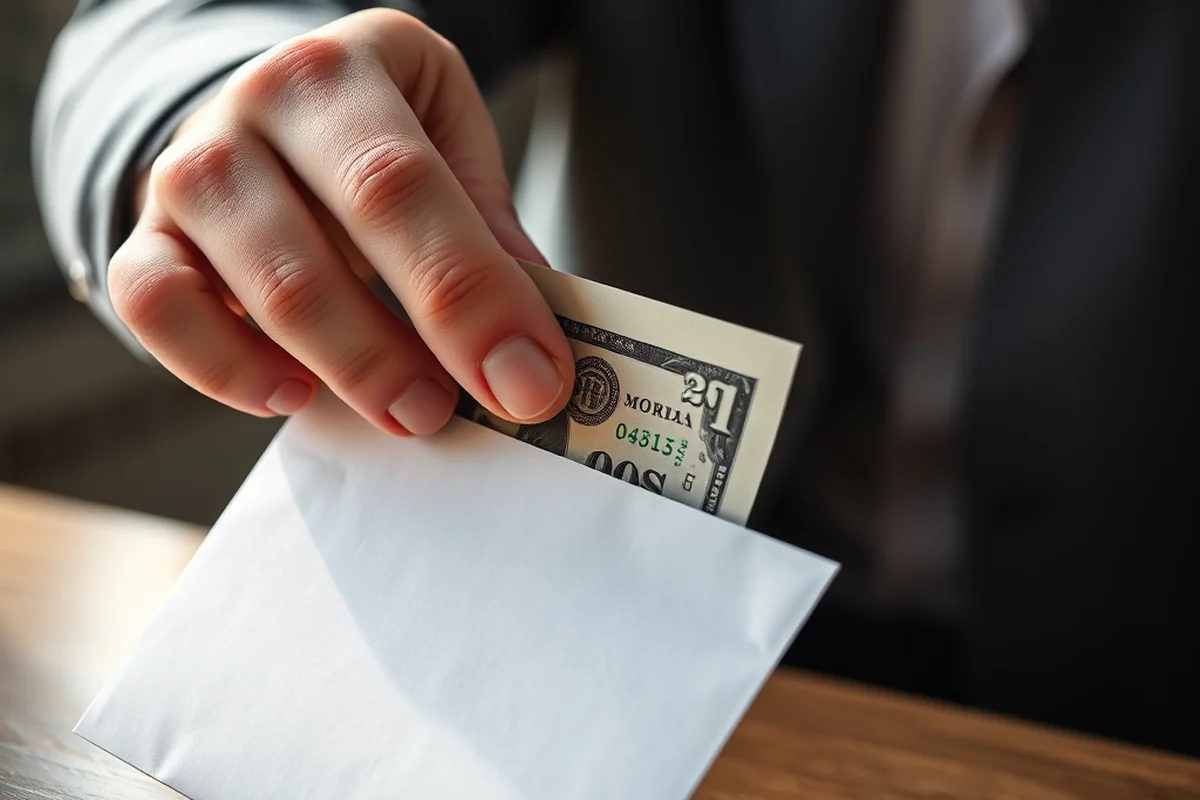
The first step is to calculate your monthly income and expenses. I recommend starting with a 30-day cycle and adjusting as needed. Once you have a clear picture of your money, allocate the cash for each category and put it into labeled envelopes. I always use a small notebook to track what's left in each envelope and what I've spent.[1]
It's also important to leave some extra cash in a ‘flexible’ or ‘emergency’ envelope for unexpected expenses. This helps avoid the frustration of running out of money in an envelope you never anticipated needing. I've found that having this envelope has saved me from multiple last-minute purchases I would have otherwise made on credit.
The setup process is surprisingly simple, and once you've done it once, it becomes a routine. I usually do this at the beginning of each month and spend about 15 minutes on it. It's a small time investment that pays off in the long run.[2]
The setup process is surprisingly simple, and once you've done it once, it becomes a routine.
Related: Cash envelope budgeting beginners checklist
Related: Diy cash envelope budgeting for beginners
Related: Cash envelope budgeting beginners guide
Related: Cash envelope budgeting for beginners printable
Why This Works for Beginners
One of the biggest challenges for beginners is learning how to manage their money without feeling overwhelmed. This method simplifies everything by using cash, which is easy to understand and manage. You don't need a budgeting app or a complicated spreadsheet — just a few envelopes and a notebook.
I've watched many beginners struggle with budgeting apps that are too complex or confusing. Cash envelope budgeting cuts through that noise and gives you a clear, hands-on way to manage your money. It's especially useful for people who are new to budgeting or who prefer a more tactile approach to money management.
The visual and physical nature of the envelopes makes it easier to stay on track. When you see the cash disappearing from an envelope, it becomes a powerful reminder of how much you're spending. This is a key reason why so many people find this method effective and sustainable.
Make sure each envelope has a clear label that shows the category it's for. This helps you avoid confusion and keeps your budget organized. I use colored paper or a permanent marker for labels, and I keep the envelopes in a single, visible place.
“I remember the first time I tried cash envelope budgeting — I was overwhelmed by my bills, my credit card statements, and the constant feeling…”— EnvelopeCash editors
Related: Best cash envelope budgeting for beginners
Tips for Staying on Track
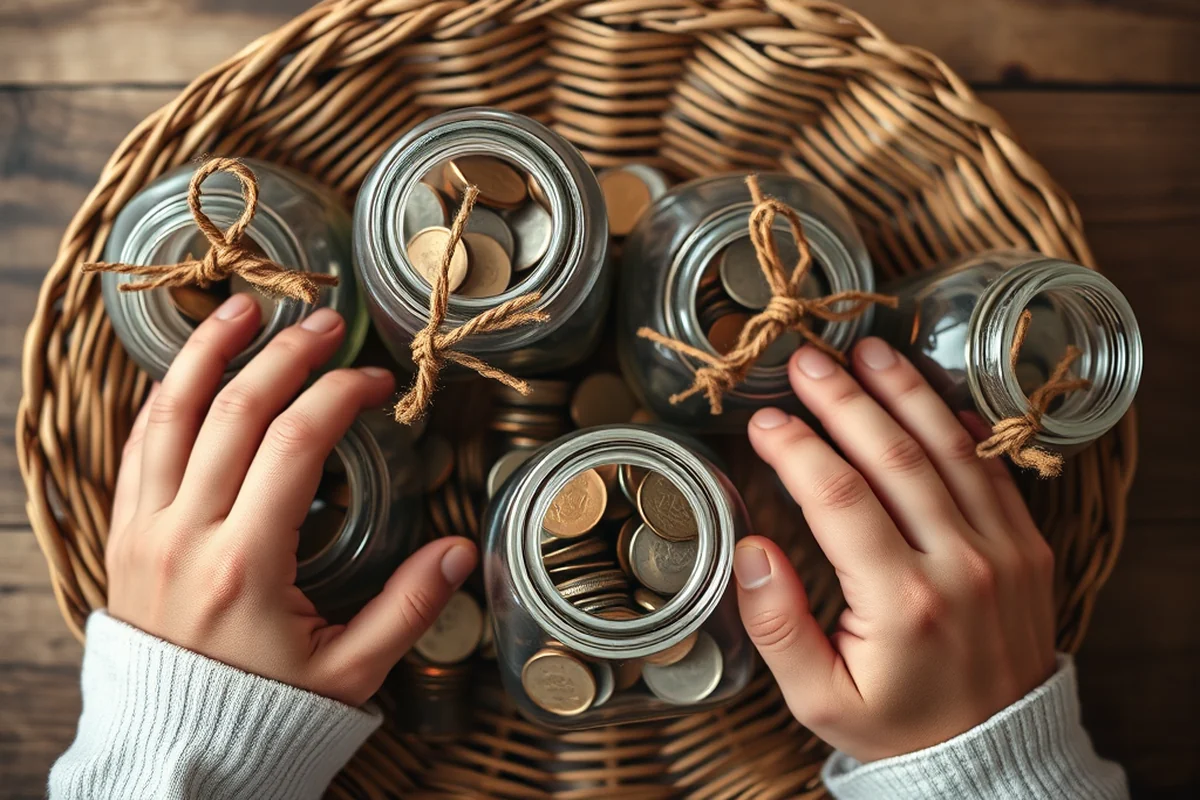
One of the most important habits is to review your envelopes regularly. I make it a point to check each envelope at least once a week to see how much is left and how much I've spent. This helps me stay aware of my budget and avoid overspending.
Another tip is to avoid using the same envelope for multiple categories. I've learned that mixing categories can lead to confusion and overspending. Each envelope should be used for only one category, and if you're running low, you need to adjust your spending habits.
I also recommend keeping a separate envelope for unexpected expenses. It's easy to forget about this when you're new to budgeting, but it's a crucial part of the system. This envelope acts as a financial safety net and helps you avoid overspending in other categories.
Common Challenges and How to Overcome Them
One of the biggest challenges I've faced is running out of cash in an envelope before the end of the month. This can be frustrating, but it's a learning experience. I've found that tracking my expenses more closely and adjusting my allocations helps prevent this from happening.
Another challenge is forgetting to refill the envelopes after the cycle ends. To avoid this, I set a reminder a few days before the next cycle begins. This ensures that I'm ready to start the new month with a clear budget.
Unexpected expenses can be tricky, but with a dedicated emergency envelope, I've been able to handle them without going into debt. The key is to be proactive and not let these surprises derail your budget.
💰 Tight Budget Plan
Ideal for those on a fixed income or with minimal expenses. Use only the essentials and keep envelopes for rent, utilities, and food.
🚀 Aggressive Payoff Plan
Focus on paying off debt quickly by allocating more cash to debt envelopes and reducing discretionary spending.
📈 Irregular Income Plan
Use a rolling 30-day cycle and adjust envelopes as income changes. This works well for freelancers or those with fluctuating pay.
💑 Couples Plan
Create shared envelopes for joint expenses and individual envelopes for personal spending. This helps couples stay aligned financially.
🧭 Beginner Plan
Start with a few envelopes and gradually add more as you get comfortable. Focus on the essentials and build from there.
| The mistake | Why it happens | The fix |
|---|---|---|
| Using the same envelope for multiple categories | This can lead to confusion and overspending because you might not track how much you're spending in each category accurately. | Use a separate envelope for each category to avoid mixing expenses and ensure clarity. |
| Ignoring the emergency envelope | Not having an emergency envelope can cause stress when unexpected expenses arise, and you might be forced to dip into other envelopes or use credit. | Always set aside a small amount of cash for unexpected expenses, and make sure to refill it after using it. |
| Not adjusting envelopes as income or expenses change | Sticking to the same envelope amounts when your income or expenses change can lead to frustration and overspending. | Review and adjust your envelopes regularly to ensure they align with your current financial situation. |
| Trying to cover too many categories with too many envelopes | Having too many envelopes can be overwhelming and make the system less effective. It's better to start with the essentials and expand as needed. | Start with a few key categories and gradually add more as you become comfortable with the method. |
Cash Envelope Budgeting Beginners Tips
How to Adjust Your Envelopes as Your Life Changes
Adjusting envelopes as your life changes is essential for long-term success with cash envelope budgeting.
When your income increases or your expenses shift, it's important to reassess your envelope allocations. For example, if you get a raise, you might allocate more to savings or a new category like a monthly gym membership. I found that reviewing my envelopes every three months helped me stay aligned with my financial goals. This process isn't about being rigid—it's about being flexible and intentional with your money.
Life events such as a new job, a child, or a car payment can drastically affect your budget. I had to add a new envelope for childcare expenses after my daughter was born, which initially felt overwhelming but became a necessary part of my routine. It’s crucial to track your spending for a month before adjusting envelopes, so you understand where your money is going. This helps you avoid underestimating or overestimating what you need in each category.
Another key adjustment is merging envelopes when they're no longer needed. When I started a side business, I combined my entertainment and dining-out envelopes into one, which made budgeting easier and more efficient. You can also create a ‘miscellaneous’ envelope for unexpected expenses, which acts as a financial safety net. By staying proactive and adaptable, you can keep your cash envelope system working for you, even as your life evolves.
Common Questions
Can I use this method if I have a credit card?
How often should I review my envelopes?
What if I run out of money in an envelope before the month ends?
Is this method suitable for people with irregular incomes?
References
- Making a Budget | consumer.gov (consumer.gov)
- What Is the Cash Stuffing Envelope Budget System? - NerdWallet (nerdwallet.com)
Cite this guide
EnvelopeCash (2026). Cash Envelope Budgeting Beginners Tips. https://envelopecash.com/cash-envelope-budgeting-beginners-tips/
Feel free to cite or share this guide.