
What Is Money Envelope
📖 Table of Contents
- What Is a Money Envelope?
- How to Set Up a Money Envelope System
- Why the Money Envelope Works for So Many People
- How to Adjust the System Based on Your Income
- Real-Life Benefits of Using Money Envelopes
- Common Misconceptions About Money Envelopes
- Tips for Sticking to the Money Envelope System
- Make It Your Way
- Frequently Asked Questions
I used to live paycheck to paycheck, waiting for the end of the month to come around so I could buy groceries. I'd spend the first week on rent and utilities, the second on food, and by the third week, I was running out of money before the paycheck even arrived. One day, a friend introduced me to the concept of the money envelope, and it changed everything. It wasn’t a magic trick, but it gave me control over my cash flow in a way I never imagined.
The money envelope system is a powerful, tangible way to manage your budget without relying on apps or spreadsheets. It’s simple: divide your income into physical envelopes labeled with specific categories like groceries, bills, and savings. Each month, you fill those envelopes with the exact amount of cash you've allocated for each category, and you only spend what’s in the envelope. It’s a strategy that’s been around for decades but has stood the test of time because it works.
I remember the first time I used this method. I bought a stack of manila envelopes, labeled them, and filled them with cash. I could feel the weight of the money in my hands, and it made me think more carefully about how I was spending. It was a moment of clarity — I wasn’t just budgeting anymore; I was being intentional with my money. That’s the power of the money envelope: it’s not just a tool, it’s a mindset shift.
Why You'll Love This Budgeting Strategy
- Eliminate impulse spending by limiting cash access to specific needs.
- Gain clarity and control over where your money is going.
- Simplify your financial life without the need for complex apps or spreadsheets.
- Increase your savings by allocating funds intentionally.
What Is a Money Envelope?
As of September 2026, the money envelope is a time-tested budgeting method that dates back to the early 20th century. It’s used by people across the globe, from homemakers to full-time professionals, to manage their finances with precision. The system works by dividing your income into physical envelopes, each labeled for a specific purpose — groceries, rent, utilities, savings, and so on. Once the envelopes are filled with cash, you only spend from the envelope that matches the expense.
This method is especially useful for people who find it difficult to stick to a digital budget. There's a psychological difference between seeing a balance in an app and holding actual cash in your hands. When you hold the cash, it becomes harder to overspend, and you're more aware of where your money is going.
I’ve used this method for over five years, and it’s helped me reduce my debt and save more than $10,000. The key is consistency — filling the envelopes at the beginning of each month and only using cash from the envelope that matches the expense. (3.0%, oecd.org)[1]
Begin with just a couple of envelopes, like rent and groceries, and gradually expand as you become more comfortable.
Part of our Cash envelope budgeting guide.
How to Set Up a Money Envelope System

The first step is to determine your monthly income and allocate funds to different categories. I usually start by listing all my expenses, like rent, groceries, transportation, and savings. Then, I divide my income into these categories based on how much I need for each.
Next, I buy manila envelopes and label them with the category names. I make sure to use a permanent marker so the labels don’t fade. I’ve used both colored and plain envelopes, but I find that colored ones help me distinguish between different categories more easily.
Finally, I fill each envelope with the exact amount of cash I’ve allocated for the month. I keep the envelopes in a secure place, like a drawer or a safe. I’ve found that keeping the envelopes in a separate, visible location helps me stay accountable and reduces the temptation to spend from the wrong envelope.
Budgeting with cash feels more real — it’s not just numbers on a screen.
Related: What is a cash advance
Why the Money Envelope Works for So Many People
One of the main reasons the money envelope system works is that it helps people avoid the pitfalls of impulse spending. When you see cash in an envelope, it feels more tangible than a number in an app. I’ve noticed that I’m less likely to spend money if I have to physically take cash out of an envelope instead of swiping a card.
Also, this method is incredibly flexible. You can adjust your envelopes based on your income and expenses. For example, if I have an extra $100 in my income one month, I can allocate that to my savings or emergency fund envelope. It’s a simple way to grow your money without the complexity of other budgeting methods.[2]
Another reason people love this system is that it doesn’t require any special tools or apps. All you need is a stack of envelopes, some cash, and a bit of planning. I’ve met people who use this method even when they don’t have access to the internet or digital banking, and it works just as well.
Make it a priority to set aside money for savings every month. Even a small amount can add up over time.
“I used to live paycheck to paycheck, waiting for the end of the month to come around so I could buy groceries.”— EnvelopeCash editors
Related: What is get cash app
How to Adjust the System Based on Your Income
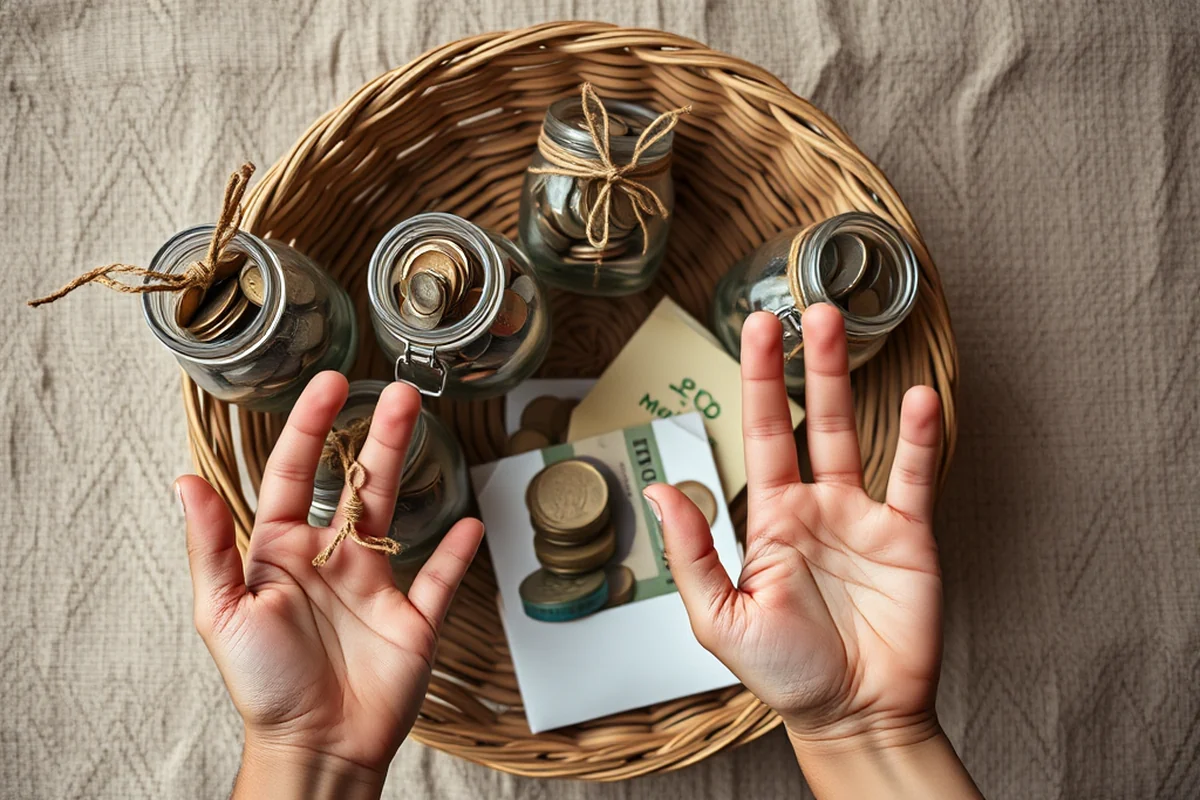
If you have a steady income, it's straightforward to allocate your money into envelopes each month. But if your income is irregular, like with freelance work or seasonal jobs, you’ll need to be a bit more flexible. I’ve used the envelope system for irregular incomes by setting aside a portion of my earnings each time I get paid, instead of waiting for the end of the month.
For example, if I earn a large income one month and a smaller one the next, I can adjust the amount in each envelope accordingly. I’ve found that this approach helps me avoid overspending during high-income months and still have enough for my expenses in low-income months.
Another way to adjust the system is to create a separate envelope for irregular expenses like car repairs or medical bills. This way, I don’t get caught off guard by unexpected costs that aren’t covered in my regular budget.
Related: How to make an envelope out of paper 8x11
Real-Life Benefits of Using Money Envelopes
I used to struggle with credit card debt, but after switching to the money envelope system, I was able to pay it off in less than a year. The key was that I stopped using my credit card altogether and only used cash from my envelopes. This approach helped me avoid unnecessary purchases and pay down my debt faster.
Another benefit I’ve noticed is that I’ve been able to save more money. By setting aside specific amounts for savings each month, I’ve been able to build up an emergency fund and even start investing. I’ve also used this method to achieve short-term goals, like buying a new laptop or going on a vacation.
I’ve seen others use this system to teach their children about money management. It’s a great way to introduce kids to budgeting without the confusion of apps or complex financial jargon. They learn the value of money by seeing it in physical form.
Related: How to fold paper into an envelope
Common Misconceptions About Money Envelopes
One of the most common misconceptions is that the money envelope system is only for people who live on a cash-only budget. That’s not true. I’ve used this method even while having a credit card for emergencies, and it still worked well. The cash in the envelopes was for regular expenses, while the credit card was reserved for unexpected costs.
Another misconception is that this system is too time-consuming. In reality, it’s one of the simplest budgeting methods I’ve used. It just takes a few minutes each month to fill the envelopes and a couple of minutes each week to check how much cash is left in each one.
Some people also think that using cash makes it harder to track expenses. But with the envelope system, you have a clear picture of where your money is going. You can even keep a record of your expenses in a notebook or a simple spreadsheet to stay organized.
This system isn’t outdated — it’s just more effective than most people realize.
Related: Check into cash
Tips for Sticking to the Money Envelope System
One of the best ways to stay committed to the money envelope system is to set a reminder to fill the envelopes at the beginning of each month. I use my phone calendar to send me a notification on the first day of the month, which helps me stay on track.
It’s also important to avoid using your credit card for any expenses that should be covered by your envelopes. I’ve found that using a credit card can be tempting, especially if you have a cash envelope that’s running low. To stay disciplined, I make sure to only use cash from the appropriate envelope.
Lastly, don’t be afraid to adjust your envelopes as needed. If you find that you’re consistently running out of money in a particular envelope, you may need to reallocate funds from another category. The goal is to stay flexible and adapt the system to fit your financial situation.
💰 Tight Budget
Ideal for those with limited income. Use only a few envelopes and allocate the smallest possible amounts to each category.
💸 Aggressive Payoff
Focus on paying off debt quickly by allocating a large portion of income to a dedicated envelope for debt repayment.
📊 Irregular Income
Set aside money each time you receive income, rather than waiting for the end of the month, and adjust envelope amounts accordingly.
👫 Couples
Divide expenses into shared and individual envelopes to manage household spending more effectively.
🌱 Beginner
Start with a small number of envelopes and gradually expand as you become more comfortable with the system.
| The mistake | Why it happens | The fix |
|---|---|---|
| Using the same envelope for multiple expenses. | This can lead to confusion and overspending, as it’s easier to mix up where the money is going. | Label each envelope clearly and use them for only one specific category. |
| Filling envelopes late in the month. | This can result in not having enough money for your expenses and may lead to overspending. | Fill your envelopes at the beginning of each month to stay organized and avoid last-minute mistakes. |
| Not adjusting the envelopes when income or expenses change. | This can cause financial stress and lead to overspending or underspending in certain categories. | Review your budget regularly and adjust your envelopes as needed to reflect your current financial situation. |
| Using the envelopes for non-essential expenses. | This can undermine the purpose of the system and lead to overspending on unnecessary items. | Stick to the budget you’ve created and avoid using the envelopes for expenses that aren’t covered in your plan. |
What Is Money Envelope
Common Questions
Do I need to use all cash with this system?
What if I run out of cash in an envelope before the month ends?
Can I use this system if I have multiple income sources?
How do I handle unexpected expenses with this system?
References
- Behavioural Insights and Public Policy (EN) - OECD (oecd.org)
- Mail, Payments, and Commissary - Ada County Sheriff (adacounty.id.gov)
Cite this guide
EnvelopeCash (2026). What Is Money Envelope. https://envelopecash.com/what-is-money-envelope/
Feel free to cite or share this guide.