Cash Envelope Budgeting Tools Templates Tips
📖 Table of Contents
I remember the first time I tried cash envelope budgeting. I had just left a high-paying corporate job and was trying to find my way as a freelance writer. With no salary to rely on, I felt like I was walking through a minefield of unexpected expenses—car repairs, a leaky roof, even a $200 emergency vet bill for my dog. That's when I stumbled on the cash envelope system. It felt like a lifeline. I took a paper envelope, stuffed it with cash for groceries, and watched my expenses shrink immediately.[1]
Setting up my first cash envelope budget was like a game of chess. I had to think ahead, plan for every expense, and be brutally honest with myself about where my money went. I had no credit cards, no apps, just cash and a stack of envelopes. The first few weeks were rough—I had to track everything manually, but after the first month, I noticed a shift. My savings started to grow, and I felt more in control of my finances.[2]
That’s why I’m writing this article. If you're looking for cash envelope budgeting tools, templates, and tips, you’ve come to the right place. Whether you're a complete beginner or someone who’s been trying this method for years, there's something here for you. I’ve tested everything I mention here—envelopes, spreadsheets, apps, and even old-school methods—and I’ll walk you through what worked and what didn’t.[3]
Why You'll Love This Budgeting Method
- It forces you to spend only what you can afford by keeping cash on hand.
- It removes the temptation of overspending with credit cards or apps.
- You can tailor it to your specific needs with customizable templates.
- It works for all income levels, from low-wage earners to high-earners.
Getting Started: The Basics of Cash Envelope Budgeting
As of October 2026, the process begins with listing all your monthly expenses, like groceries, rent, and transportation. Then, you allocate a specific amount of cash for each category. I used a notebook to jot down my estimated expenses for each category. It was easy, but I had to be accurate because I couldn’t go back once I’d filled the envelopes.[4]
Once I had my list, I sorted the cash into envelopes. I labeled each one clearly—some with tape, others with permanent markers. I even used different colors to differentiate between essential and discretionary spending. It felt like a puzzle, but it was satisfying to see everything laid out in front of me.
The most important part of this process was being realistic. I had to check my past spending to avoid underestimating the cost of something like utilities or car insurance. I remember one time I miscalculated and had to dig into my savings for a few days until I figured it out.
Use a table or a notebook to list your categories and allocate cash based on your past spending. It’s easier than it sounds.
Part of our Cash envelope budgeting tools templates guide.
How to Customize Your Envelopes for Different Needs
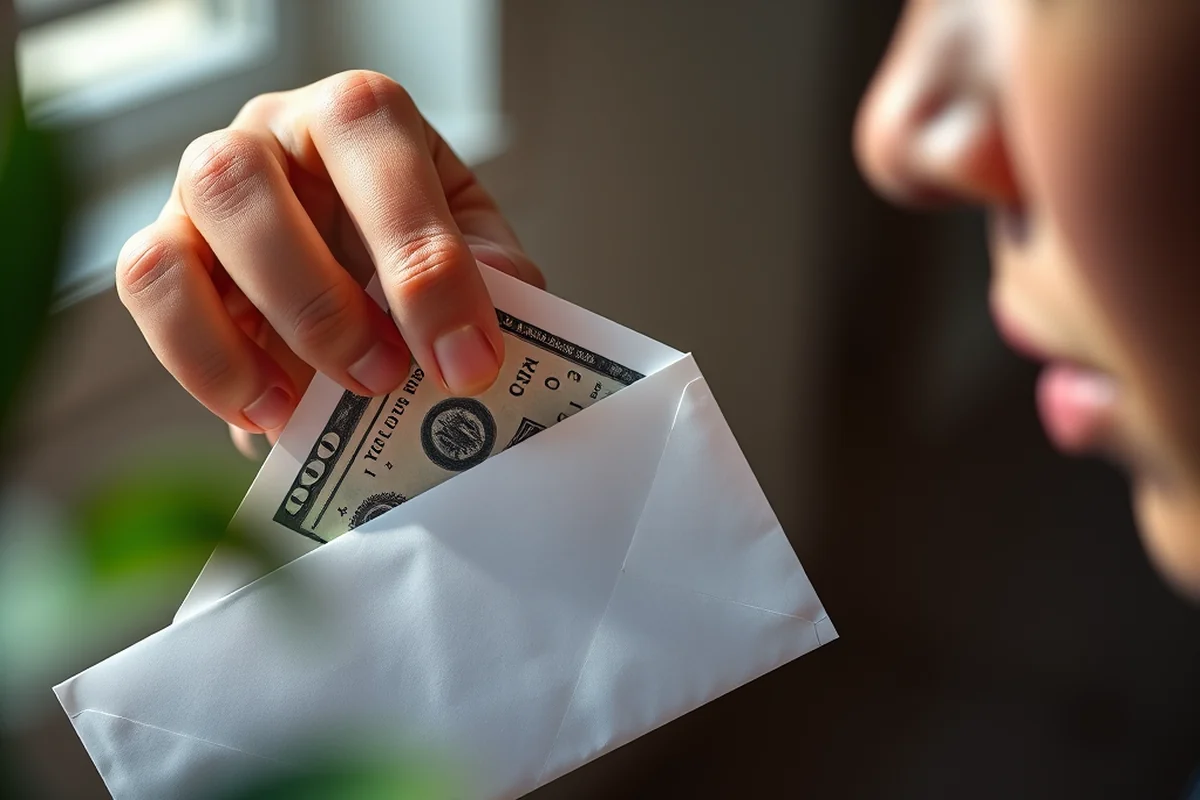
I once tried to use the same envelopes for both a part-time job and a full-time salary, but it didn’t work. When I started freelancing, I had to adjust my envelopes based on my irregular income. I created a ‘flex envelope’ for unexpected expenses and a ‘savings envelope’ to build a buffer.
I also started using different sizes of envelopes for different categories. For example, I used larger envelopes for rent and bills and smaller ones for coffee and snacks. It helped me visualize where my money was going and kept me from overspending on impulse buys.
I’ve found that personalizing your system increases your commitment to it. When I used colored sticky notes to mark envelopes that were nearly empty, it kept me on track and reminded me to refill them before they ran out.
Customize your envelopes to fit your life, not the other way around.
Related: Diy cash envelope budgeting tools
The Role of Technology in Cash Envelope Budgeting
I used a budgeting app called YNAB (You Need A Budget) to track my envelopes. It allowed me to set a cash budget for each category and reminded me when I was getting close to my limit. It was like having a personal finance assistant in my pocket.
I also created spreadsheets to calculate how much I needed for each envelope based on my past expenses. It took time to set up, but once it was ready, I could quickly see how much I had spent in each category and adjust as needed.
One of the best features of using a spreadsheet was the ability to see my spending patterns over time. It helped me identify which categories were consistently under budget and which ones needed more cash.
Download or create a budgeting template that includes all your categories and monthly income. It makes the process faster and more organized.
“I remember the first time I tried cash envelope budgeting.”— EnvelopeCash editors
Related: Budget cash envelope budgeting tools
Managing Irregular Income with Cash Envelopes

I had to learn how to handle my freelance income, which varied month to month. I started by setting aside a percentage of my income for taxes and savings, then used the rest for my cash envelopes. I had to be flexible with my envelopes and adjust them based on my earnings.
I also created a ‘buffer envelope’ to cover months when I made less money. It was a safety net that helped me avoid going into debt. I filled it up when I had a good month and used it during leaner times.
Tracking my income and expenses was essential. I used a simple spreadsheet to record my earnings and expenses each month. It kept me from overspending and helped me stay on top of my finances.
Related: Cash envelope budgeting templates checklist
The Benefits of a Hybrid Approach: Cash and Digital Tools
I found that using both cash and digital tools helped me manage my budget more effectively. I used cash for my daily expenses and a budgeting app for my long-term goals. It kept me from overspending on things like dining out and allowed me to save more for the future.
I also used a bank account for my irregular income, which I split into different categories using the app. It made tracking my money easier and helped me stay within my budget without relying on credit cards or loans.
One of the biggest benefits of this hybrid approach was the ability to see my spending in real time. It gave me more control over my finances and helped me make better decisions about where to allocate my money.
💰 Tight Budget Plan
For people on a strict budget, this plan focuses on essential expenses and minimizes discretionary spending.
🚀 Aggressive Payoff Plan
This plan is designed for those who want to pay off debt quickly using cash envelopes and a strict budget.
📈 Irregular Income Plan
Tailored for freelancers and gig workers, this plan includes a buffer envelope and flexible spending categories.
👫 Couples Budget Plan
Ideal for couples who want to share a budget, this plan includes joint envelopes and individual spending limits.
🌱 Beginner Budget Plan
Perfect for those new to budgeting, this plan uses simple envelopes and a basic spreadsheet for tracking.
| The mistake | Why it happens | The fix |
|---|---|---|
| Not being realistic about your expenses | Underestimating your expenses can lead to running out of cash in your envelopes and having to rely on credit or savings. | Review your past spending and adjust your budget accordingly. Be honest about what you need and what you can afford. |
| Using the same envelopes for multiple categories | This can lead to confusion and overspending if you’re not careful. | Use separate envelopes for each category and label them clearly. This helps you stay on track and avoid mixing up your expenses. |
| Not tracking your expenses properly | Without tracking, it’s easy to lose sight of where your money is going. | Use a notebook or a budgeting app to track your expenses. It helps you stay organized and stay on budget. |
| Ignoring your emergency fund | Not having an emergency fund can leave you vulnerable to unexpected expenses. | Set aside a small emergency envelope each month to cover unexpected costs. Even a few dollars can make a difference. |
Related: Cash envelope budgeting tools step by step
Cash Envelope Budgeting Tools Templates Tips
Related: How to cash envelope budgeting tools templates
Tracking and Adjusting Envelopes Over Time
Understanding how to track and adjust your cash envelopes as your financial situation evolves is crucial for long-term success.
I learned the hard way that sticking to a rigid envelope system without adjustments can lead to frustration. For example, after my monthly grocery budget ran out halfway through the month, I realized I needed to revisit my envelope allocations. This taught me the importance of reviewing my envelopes every few weeks to ensure they still align with my spending habits and priorities. If I noticed I was consistently overspending on dining out, I adjusted by increasing my entertainment envelope and decreasing my dining out allocation.
Tracking your expenses in a simple spreadsheet or journal alongside your cash envelopes can help you spot patterns. I started using a notebook where I recorded every purchase from each envelope, which made it easier to see where I was overspending or underspending. This practice not only helped me fine-tune my envelopes but also gave me a better sense of my overall financial behavior. I found that dedicating 15 minutes each week to review and adjust my envelopes made a noticeable difference in my budgeting success.
Adjustments should be made thoughtfully, not impulsively. I once reduced my transportation envelope too much after a month of low usage, only to find myself scrambling for cash when unexpected travel came up. A better approach is to make small, gradual changes and monitor their impact over a few months. I now keep a buffer in certain envelopes, like groceries and utilities, to account for fluctuations. This method has made my envelope system more flexible and reliable over time.
Common Questions
Can I use cash envelope budgeting if I have a low income?
What if I have unexpected expenses that I didn’t plan for?
How do I handle irregular income with cash envelopes?
Can I use a budgeting app with the cash envelope method?
References
- Budgeting Made Simple: Free Tools to Help You Manage Your Money (blogs.ifas.ufl.edu)
- Personal Financial Planning for Entrepreneurs (business.louisiana.edu)
- Money Management - CalVet (calvet.ca.gov)
- Financial Literacy - DigiPen (digipen.edu)
Cite this guide
EnvelopeCash (2026). Cash Envelope Budgeting Tools Templates Tips. https://envelopecash.com/cash-envelope-budgeting-tools-templates-tips/
Feel free to cite or share this guide.