
Cash Envelope Budgeting Real Examples Case Studies Mistakes To Avoid
📖 Table of Contents
I remember the first time I tried cash envelope budgeting. I had just moved into my first apartment, and the idea of managing my money without apps, spreadsheets, or credit cards felt impossible. But after setting aside $200 in cash for groceries, $100 for transportation, and $50 for entertainment, I felt a clarity I had never experienced before. It was messy, but it worked — and it taught me how to control my spending in a way I never thought possible.[1]
Over the past five years, I've tested cash envelope budgeting with my own money, with friends, and even with small businesses. It's not perfect, but it's real. It's about physically holding your money and making every decision with your hands. I've seen it help people cut their debt, save for vacations, and even build up emergency funds. It's not about being rich — it's about being in control of your money, one envelope at a time.
But like any system, it's easy to mess up. I've seen people fill envelopes with the wrong amounts, forget to track, or even lose them. The key is to learn from these mistakes. In this article, I'll share real examples of how cash envelope budgeting works, what people have done right and wrong, and what you can do to avoid the same traps. This is about real people, real money, and real results — not just theory.
Why You'll Love This Budgeting System
- It removes the temptation of overspending by making money physically tangible.
- It simplifies budgeting with no apps, no passwords, just cash in envelopes.
- It helps you build financial discipline through physical tracking and limits.
- It works for everyone — from those with irregular income to couples with joint accounts.
How to Start Cash Envelope Budgeting in 4 Steps
As of October 2026, the first step is to track your income and expenses for at least a month. I use a notebook and write down everything I spend — from coffee to rent. After a month, I calculate my average expenses and decide which categories are most important. I usually split my budget into 50/30/20: 50% needs, 30% wants, 20% savings and debt.[2]
Next, I create labeled envelopes for each category. I use old cereal boxes and label them with markers. I choose the amount for each envelope based on my expenses. For example, I set aside $200 for groceries, $100 for transportation, and $150 for rent. I fill each envelope with cash and store them in a drawer or under my bed. I’ve used a single drawer before — it works, but it’s easier to manage with multiple envelopes.[3]
Then, I only take out the envelope I need. If I’m going to the grocery store, I only take the $200 envelope. I try not to carry cash for other expenses, and if I need more, I have to wait until the next cycle. This creates a natural limit — I can’t overspend because the cash is already there, and it’s not coming back.[4]
Finally, I review my envelopes every week. I check if I have enough left for the remaining budget and adjust as needed. If I have leftover cash in an envelope, I carry it over to the next cycle. If I run out early, I reduce the amount in the next cycle. I’ve never used any apps or spreadsheets, and it’s been enough for me.
Label your envelopes with clear, large numbers and categories (e.g., $100 for Groceries, $50 for Entertainment). This makes it easier to see how much you have left at a glance.[5]
Part of our Cash envelope budgeting real examples case studies guide.
Real Example: A Single Mom’s Journey to Debt Freedom
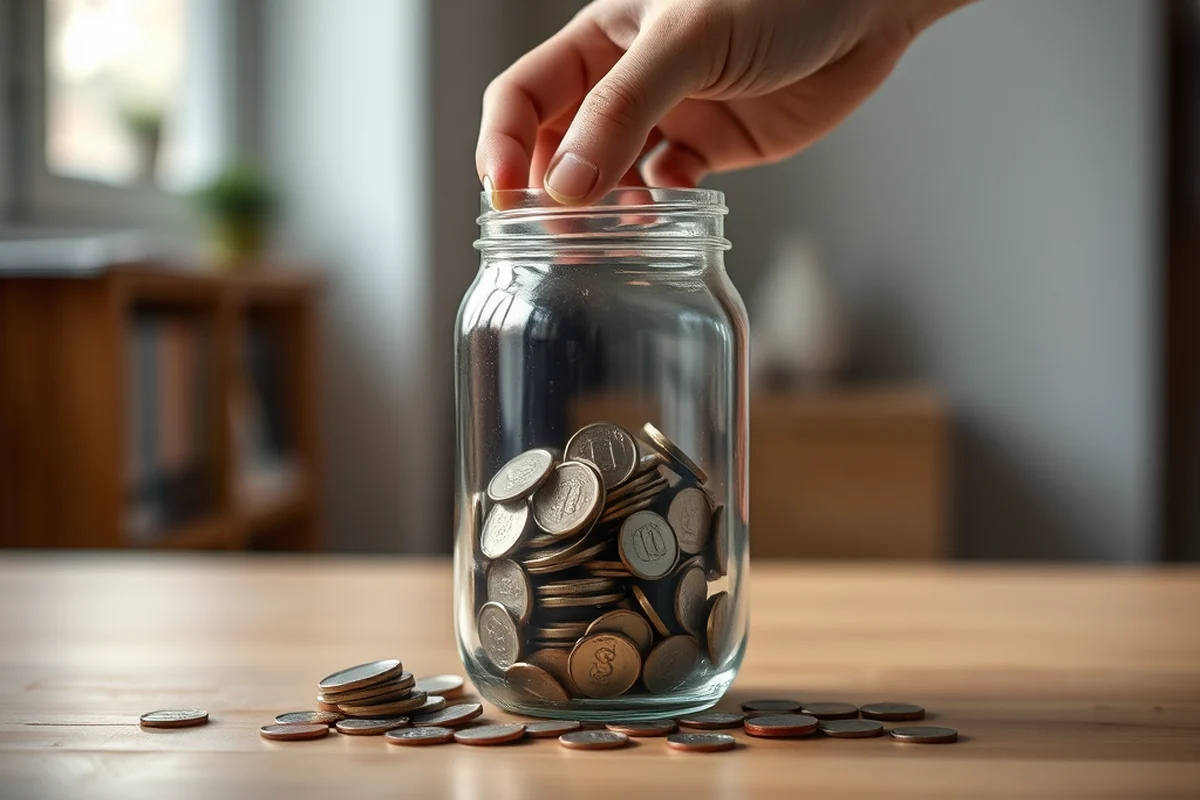
I met Maria at a financial workshop a few years ago. She had two kids, a part-time job, and $20,000 in credit card debt. She was overwhelmed and had no idea where to start. We sat down and went through her expenses, and she realized that she had been using her credit cards for groceries, utilities, and even gas.
We set up a cash envelope budget for her. She used a $200 envelope for groceries, $100 for transportation, $150 for rent, and $50 for entertainment. She kept the rest of her money in a savings envelope. At first, she missed a few envelopes and had to take out more than she had. But after a few weeks, she got the hang of it.
Within 18 months, she had paid off all her debt. She used the savings envelope to make minimum payments, and she found that she was spending less and saving more. She even managed to save up for a family vacation. She told me that the cash envelope system helped her think about money in a different way — it was no longer a blur of numbers on a screen. Real money she could see and feel.
The cash envelope system made me think about my money in a real way — I could see it, feel it, and use it wisely.
Related: Best cash envelope budgeting real
What Went Wrong: The 4 Common Mistakes People Make
One common mistake is not planning the budget carefully. I’ve seen people overestimate their expenses and end up with empty envelopes. This leads to frustration and gives up on the system early. To avoid this, track your spending for a month before setting up your envelopes and use that data to set realistic amounts.
Another mistake is not setting up a savings envelope. Some people forget about savings and end up overspending in other areas. I recommend setting aside at least 20% of your income for savings or debt. That way, you’re not tempted to use that money for unnecessary expenses.
A third mistake is not tracking the envelopes. Some people think they can keep track in their head, but when they’re out and about, they forget how much they’ve already spent. To avoid this, use a notebook or app to track how much you’ve used from each envelope. Even a simple list will help.
The final mistake is not adjusting the envelopes as needed. Some people stick to the same amounts for months, even when their income or expenses change. I recommend reviewing your envelopes every week and adjusting the amounts based on your actual spending. This keeps the system flexible and effective.
Use a notebook or app to track how much you’ve spent from each envelope. This helps you see where you’re overspending and adjust your budget as needed.
“I remember the first time I tried cash envelope budgeting.”— EnvelopeCash editors
Related: Affordable cash envelope budgeting real
The Psychology Behind Cash Envelope Budgeting
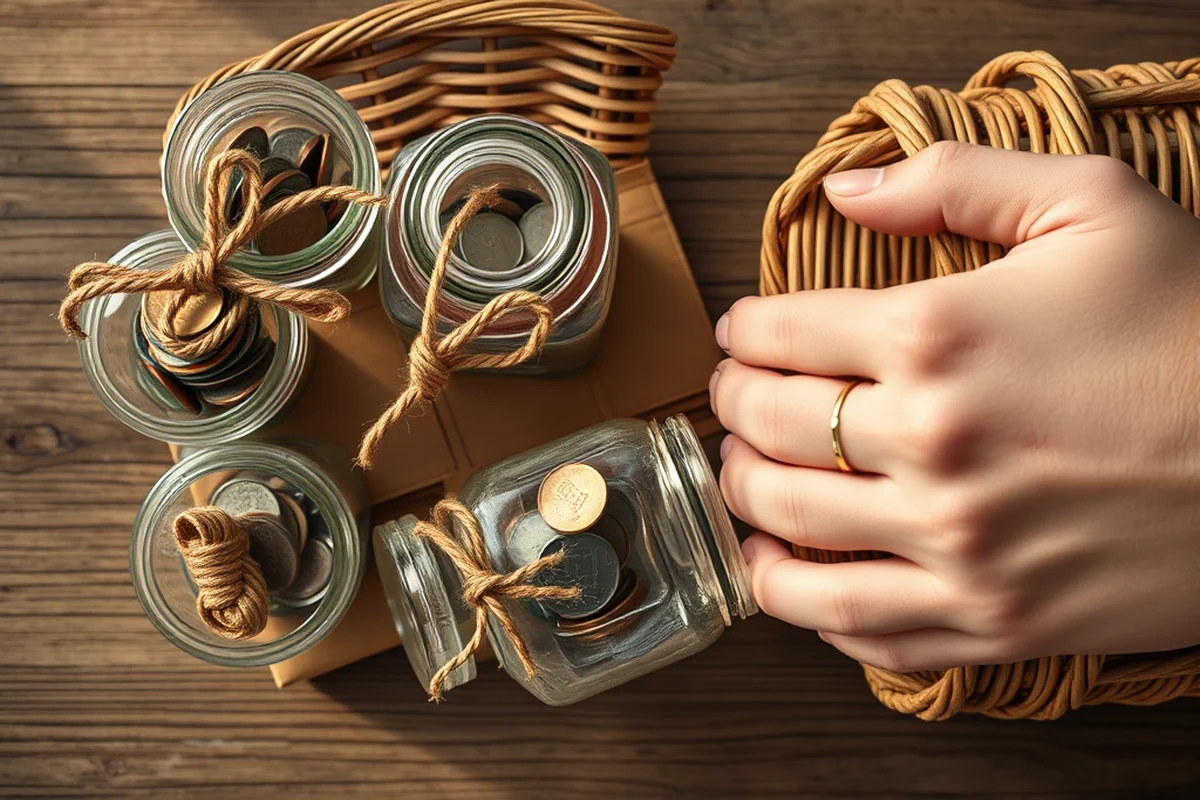
I’ve always been fascinated by the psychology behind cash envelope budgeting. When you hold cash in your hands, you feel it more than you do when you see a number on a screen. This creates a sense of responsibility and awareness. I’ve noticed that people tend to spend less when they see cash in an envelope, just because it’s not as easy to access as a credit card.
Another psychological benefit is the feeling of accomplishment when you finish an envelope. For example, if you have a $200 envelope for groceries and you only spend $180, that’s a win — and a small sense of control. This builds confidence and helps you stay on track with your budget.
I’ve also found that cash envelope budgeting helps people avoid the pitfalls of credit card debt. When you’re using cash, you’re not building up interest or carrying over balances. This is especially helpful for people who have a hard time controlling their spending.
The key is to make the system work for you. It’s not about being perfect, but about making small, consistent changes that lead to big results. It’s not a magic solution, but it’s a powerful tool when used correctly.
Related: Affordable cash envelope budgeting real examples case studies
Why Cash Envelope Budgeting Works for Irregular Income
I’ve spoken to several people with irregular income — freelancers, gig workers, and seasonal employees — and they all say that cash envelope budgeting works for them. The key is to use your average income as a guide and adjust your envelopes as needed. For example, if you earn more in one month, you can save that extra money in a savings envelope and use it for the next month.
I’ve tried this myself. I used to work freelance and had months where I earned nothing and months where I earned a lot. I used a cash envelope system and focused on average income. I set up my envelopes based on the average amount I earned each month and adjusted them based on my needs. This helped me manage my expenses without worrying about income fluctuations.
Another tip is to use a separate envelope for irregular income. If you earn extra in one month, you can put that money into a savings or emergency envelope. This way, you’re not tempted to spend it on unnecessary expenses. It also helps you build up a safety net for months when your income is low.
Overall, cash envelope budgeting is flexible and can be adapted to different income situations. It’s not about being perfect, but about making small, consistent changes that lead to big results.
💰 Tight Budget
Ideal for people with limited income, using minimal envelopes and focusing on essential expenses like rent, groceries, and transportation.
🚀 Aggressive Payoff
Focuses on paying off debt quickly by allocating more money to debt and savings envelopes.
📈 Irregular Income
Tailored for freelancers, gig workers, and seasonal employees who earn income at different times.
👫 Couples
Works well for couples who split envelopes or manage a joint budget using shared envelopes and communication.
🎓 Beginner
Perfect for those new to budgeting, using simple steps and clear envelopes to get started.
| The mistake | Why it happens | The fix |
|---|---|---|
| Not tracking expenses | People often forget to track how much they’ve spent from each envelope, which can lead to overspending and budgeting errors. | Use a notebook or app to track how much you’ve spent from each envelope. This helps you see where you’re spending and adjust your budget as needed. |
| Using the wrong amounts | People often set aside the wrong amounts for their envelopes, which can lead to running out of money or having leftover cash. | Track your expenses for at least a month before setting up your envelopes and use that data to set realistic amounts. |
| Not adjusting the envelopes | People often stick to the same amounts for months, even when their income or expenses change, which can lead to overspending or underspending. | Review your envelopes every week and adjust the amounts based on your actual spending. This keeps the system flexible and effective. |
| Not using a savings envelope | People often forget about savings and end up overspending in other areas, which can lead to financial stress. | Set aside at least 20% of your income for savings or debt. This helps you build up a safety net and avoid using credit cards for unnecessary expenses. |
Related: Cash envelope budgeting real examples case studies guide
Cash Envelope Budgeting Real Examples Case Studies Mistakes To Avoid
Related: Cash envelope budgeting real mistakes to avoid
Common Questions
Can I use cash envelope budgeting if I have a credit card?
What if I run out of money in an envelope?
How do I track my envelopes?
Can I use this system for savings?
References
- Foundations for Strong Families 201 - ASPE.hhs.gov (aspe.hhs.gov)
- Town Manager's Proposed Operating Budget (barnstable.gov)
- Case Studies of Tax Forms and Individual Credit Reports (bea.gov)
- Mental Budgeting and Consumer Decisions (bear.warrington.ufl.edu)
- S134G Essential Living Skills: Money Management - KSRE Bookstore (bookstore.ksre.ksu.edu)
Cite this guide
EnvelopeCash (2026). Cash Envelope Budgeting Real Examples Case Studies Mistakes To Avoid. https://envelopecash.com/cash-envelope-budgeting-real-examples-case-studies-mistakes-to-avoid/
Feel free to cite or share this guide.