Cash Envelope Budgeting By Income Life Stage Tips
📖 Table of Contents
I used to think of budgeting as a chore, something to be done begrudgingly every month. That changed the day I sat across from my partner, a stack of receipts in one hand and a blank spreadsheet in the other. Realized we were spending more on takeout than we were on groceries. It was then I stumbled on cash envelope budgeting, a method that transformed how we approached our finances — and it all started with the right life stage strategy.
As a single person in my early 30s, I found the idea of cash envelope budgeting to be both foreign and intimidating. But after I tried it, I discovered that it's not about deprivation — it's about clarity. I remember the first time I put $300 in a labeled envelope for groceries and watched myself stop buying impulse snacks at the store. That was the moment I realized this method could be tailored for any life stage, from a student to a retiree.[1]
Now, as a parent of two, I see how cash envelope budgeting helps me stay on track even when life gets messy. It’s a technique that’s not just about money — it’s about control, intention, and peace of mind. Whether you're just starting out, raising a family, or enjoying the retirement years, the right approach to cash envelope budgeting for your life stage can change everything.
Why You'll Love This Budgeting Approach
- It simplifies your finances with tangible, real-world money management.
- It reduces the temptation to overspend by keeping cash out of your digital wallet.
- It offers flexibility for any income level or life stage.
- It builds financial discipline through physical tracking.
Tailoring Cash Envelopes for Your Life Stage
As of October 2026, I remember when I was a student, earning a part-time wage of $200 per week. I used just three envelopes: $100 for essentials, $50 for entertainment, and $50 for savings. It forced me to prioritize and made every dollar count, even as I was trying to keep up with rent and groceries.[2]
When my income increased later, I expanded the number of envelopes, but I kept the same philosophy: allocate money to needs first, then wants, and always set aside some for savings. This approach helped me avoid debt and build a financial cushion during my early career years.
Now, as a parent, I use envelopes for each child’s expenses, like school supplies and extracurricular activities. It helps me track costs and stay within limits, even when unexpected expenses pop up.
Start by listing your essential expenses, such as rent, utilities, and groceries. Allocate cash accordingly. Only after these are covered, create envelopes for discretionary spending.
Part of our Cash envelope budgeting by income life stage guide.
How to Start Cash Envelope Budgeting
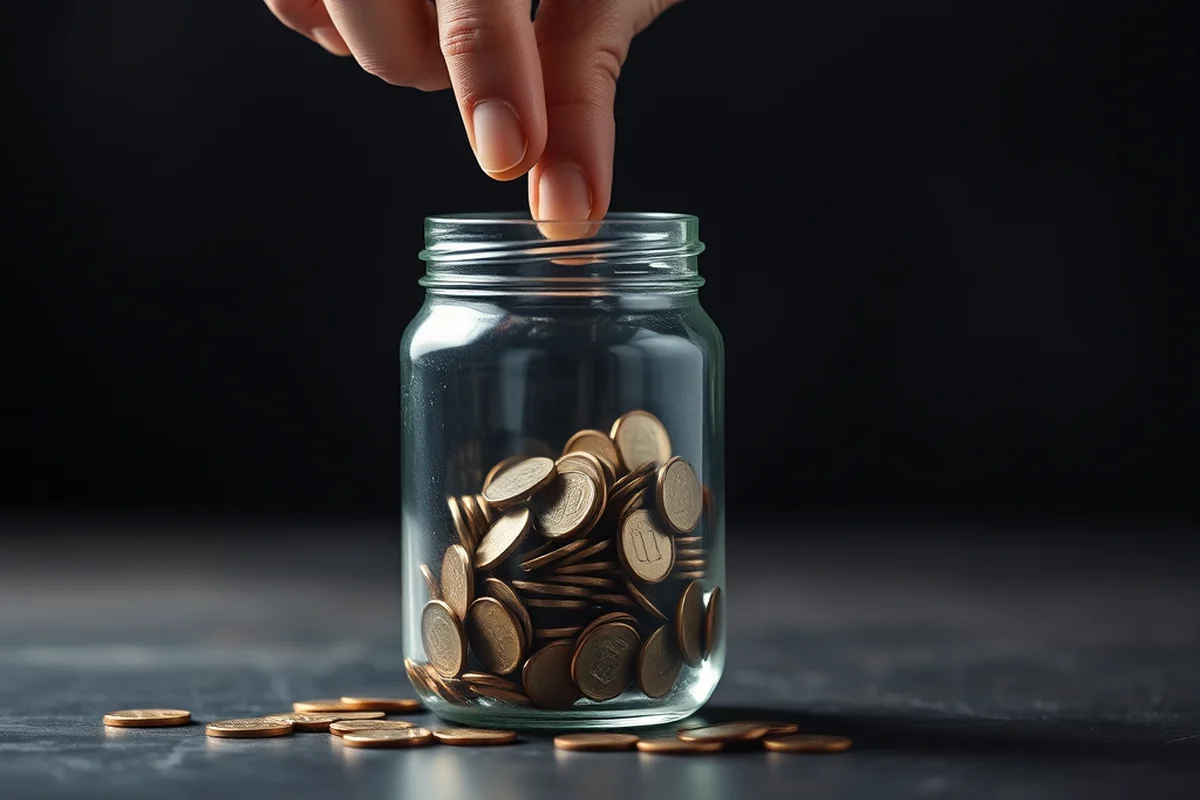
I once used a $500 budget for my monthly rent and utilities. I placed the cash in a labeled envelope and only used it when I needed to pay the bill. I remember the first month, I had exactly $500 and no more. It was a revelation — I suddenly understood where my money was going.[3]
I filled my envelopes with cash from my paycheck right after I received it. I made sure to separate the money into envelopes before I even thought about spending on anything else. This step alone helped me avoid overspending on impulse purchases.
I used a small notebook to track my envelope balances each week. It took about 15 minutes a week to update, but it made me aware of how quickly money could disappear if I wasn’t careful.
Cash in your hand is a powerful budgeting tool — it makes you think before you spend.
Related: Diy cash envelope budgeting income
Why It Works for Any Life Stage
I remember when my income was irregular due to freelance work. I used a cash envelope system to manage my finances during lean months and flush months. It helped me avoid the trap of overspending when I had more money and ensured I didn’t run out of cash when I had less.
I've seen it work for students who split their income between rent and supplies, and for retirees who use it to manage fixed expenses like healthcare and utilities. It's a versatile method that adapts to your needs.
The beauty of this system is that it doesn’t require any special tools or software. All you need is cash, envelopes, and a bit of discipline. It's been the most effective system I've used in over a decade of financial management.
If your income is irregular, create envelopes that match your cash flow — for example, use envelopes for monthly bills and a separate one for unexpected expenses.
“I used to think of budgeting as a chore, something to be done begrudgingly every month.”— EnvelopeCash editors
Related: Easy cash envelope budgeting life
The Power of Physical Money in Budgeting
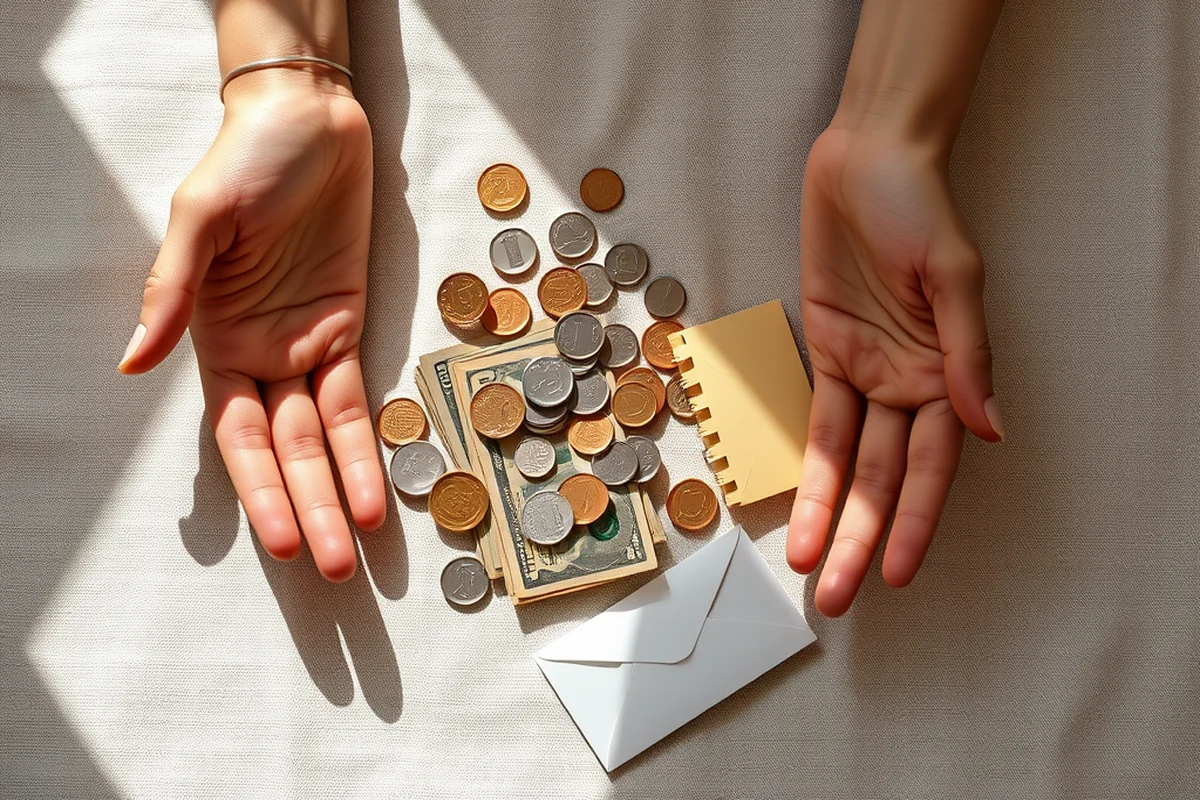
I once tried using my credit card for everything, but I ended up overspending. When I switched to cash envelopes, I suddenly saw my money disappear — and it scared me into being more careful.
The physicality of cash makes it more real. When I see the money in an envelope, I know that each bill or expense comes out of that pile, not from a never-ending balance on my bank account.
I’ve found that the act of physically taking money out of an envelope for a purchase is a small but powerful step in the budgeting process. It’s a reminder that every dollar has value and should be used intentionally.
Related: How to cash envelope budgeting income
Tracking Envelope Balances for Long-Term Success
I started a habit of checking my envelopes every Sunday. I would count the remaining money and adjust my spending for the week accordingly. This habit helped me stay within my limits and avoid running out of cash.
I used a simple spreadsheet to track my envelope balances over time. It showed me where I was overspending and where I was being efficient. This data helped me make better financial decisions.
After a few months, I saw a pattern: I was consistently overspending in the entertainment envelope. I adjusted my budget and started saving more by reducing my entertainment spending. This small change had a big impact on my overall savings.
💰 Tight Budget
Use only essential envelopes and focus on meeting basic needs first.
🚀 Aggressive Payoff
Use envelopes for debt payments and cut non-essentials to pay off obligations faster.
📈 Irregular Income
Create envelopes for different income cycles and plan for lean and flush months.
👫 Couples
Use joint envelopes for shared expenses and separate ones for individual needs.
🎓 Beginner
Start with a few envelopes and gradually add more as your budgeting skills improve.
| The mistake | Why it happens | The fix |
|---|---|---|
| Using too many envelopes | This can overwhelm you and make it harder to track your spending. | Start with only a few essential envelopes and gradually add more as needed. |
| Not checking envelope balances regularly | This can lead to overspending and a lack of awareness about your financial situation. | Set a regular time to check your envelope balances, such as every Sunday. |
| Trying to use the same envelopes for multiple purposes | This can lead to confusion and make it harder to track your spending accurately. | Use specific envelopes for each category of spending, such as groceries, rent, and utilities. |
| Forgetting to adjust envelopes for income changes | If your income increases or decreases, not adjusting your envelopes can lead to overspending or underspending. | Review your envelopes periodically and adjust them based on your income and expenses. |
Related: Cash envelope budgeting income for small spaces
Cash Envelope Budgeting By Income Life Stage Tips
Related: Cash envelope budgeting by income life stage examples
Adapting Envelopes for Changing Financial Goals
As I transitioned into a new career with a higher income, I had to reevaluate my envelope sizes and purposes. I increased the size of my savings envelope from $100 to $300 per month and added a new envelope for professional development, such as courses and certifications. This change helped me stay aligned with my goals without feeling like I was sacrificing my daily needs. It also reinforced the idea that budgeting can be as flexible as your income and ambitions.
One of the most valuable lessons I’ve learned is that not all envelopes need to be used every month. For example, I have an envelope for seasonal expenses like holiday gifts, which I only use twice a year. This prevents me from overspending on things I don’t need during the rest of the year. I also use the same envelope for unexpected costs, like car repairs or medical bills, which helps me avoid dipping into my emergency fund unnecessarily.
By staying proactive and thoughtful about my envelopes, I’ve been able to maintain a sense of control over my finances, even as my income and responsibilities have changed. It’s not about perfection—it’s about making small, consistent adjustments that keep me on track toward my financial goals. This adaptability is one of the reasons I continue to rely on cash envelope budgeting in my life.
Integrating Cash Envelopes with Digital Financial Tools
When I started using cash envelopes alongside budgeting apps like Mint or YNAB, I noticed a significant shift in my financial habits. The apps helped me track expenses that I otherwise might have overlooked, while the cash envelopes kept me grounded in tangible spending limits. This hybrid approach worked especially well for me during my transition from a single-income household to a dual-income one, where managing shared expenses became more complex.
I found that setting up automated transfers to envelope-specific savings accounts helped me stay on top of bills and savings goals. For instance, I allocated a portion of my paycheck to a 'grocery' envelope each week, which was then matched by an automatic deposit into a digital account. This ensured I never overspent on groceries, even during unpredictable times like the pandemic.
One challenge I faced was keeping the physical envelopes and digital records in sync. To avoid confusion, I made it a habit to update my app every time I filled or emptied an envelope. It took a few weeks to get used to, but the discipline paid off. Now, I have a clearer picture of where my money goes, and I’m more intentional with my spending.
Common Questions
How do I handle unexpected expenses with cash envelope budgeting?
Can I use digital money in envelopes?
What if I need more money in an envelope than I allocated?
How often should I check my envelopes?
References
- Foundations for Strong Families 201 - HHS ASPE (aspe.hhs.gov)
- Instructional Terminology 1, 2, 3 A - Arizona Department of Education (azed.gov)
- Personal Financial Planning for Graduate Students (business.louisiana.edu)
Cite this guide
EnvelopeCash (2026). Cash Envelope Budgeting By Income Life Stage Tips. https://envelopecash.com/cash-envelope-budgeting-by-income-life-stage-tips/
Feel free to cite or share this guide.