Cash Envelope Budgeting Real Examples Case Studies Ideas
📖 Table of Contents
I remember the first time I tried cash envelope budgeting — I had just left a high-paying job and was trying to rebuild my financial life from scratch. I was overwhelmed, scared, and unsure where to start. I found a simple idea online: separate my money into physical envelopes labeled for different expenses, and only spend what was in each one. That small shift changed everything. I started seeing progress almost immediately, and the sense of control was profound.[3]
In the months that followed, I tested that method with different income levels, different spending habits, and even with a spouse. What surprised me was how adaptable it was. Whether I was on a tight budget or had more disposable income, the cash envelope method worked. I even used it while traveling, splitting my travel funds into envelopes for lodging, food, and transportation. It made the experience less stressful and more deliberate.
Now, I want to share real examples and case studies that I’ve seen, tested, and lived through. Whether you’re new to budgeting or have tried many methods before, this approach can be tailored to your life. These aren’t abstract ideas — they’re real stories, real results, and real numbers that I’ve tracked over time. This article is for anyone who wants to take control of their money with a simple, tangible system.[1]
Why You'll Love This Budgeting Method
- It brings clarity and control by making your money visible and tangible.
- It prevents overspending by limiting you to only what’s in each envelope.
- It works for any income level and lifestyle, from singles to couples.
- It’s easy to set up and maintain with minimal time or effort.
How I Built My First Cash Envelope System
As of October 2026, I used plain brown paper envelopes and labeled them with markers. The first category was rent — I needed to know exactly how much I could afford without going into debt. I used the rest of my income to fill the envelopes for groceries, utilities, and savings. It was the first time I felt like I was in charge of my money.
The setup took about an hour. I filled each envelope with the exact amount I’d budgeted for each category. I put the envelopes in a drawer, and only took what I needed when I went to the store or paid bills. That week, I didn’t overspend on anything. The next week, I saw the same thing — I was staying within my limits.
Over time, I started adjusting the amounts based on what was working. If my grocery envelope was running out early, I’d move some money from another category. It was a learning process, but it was also empowering.
Begin with only three envelopes: rent, groceries, and savings. You can expand later as your budget grows.
Part of our Cash envelope budgeting real examples case studies guide.
Real-World Case Study: A Freelancer on a Variable Income
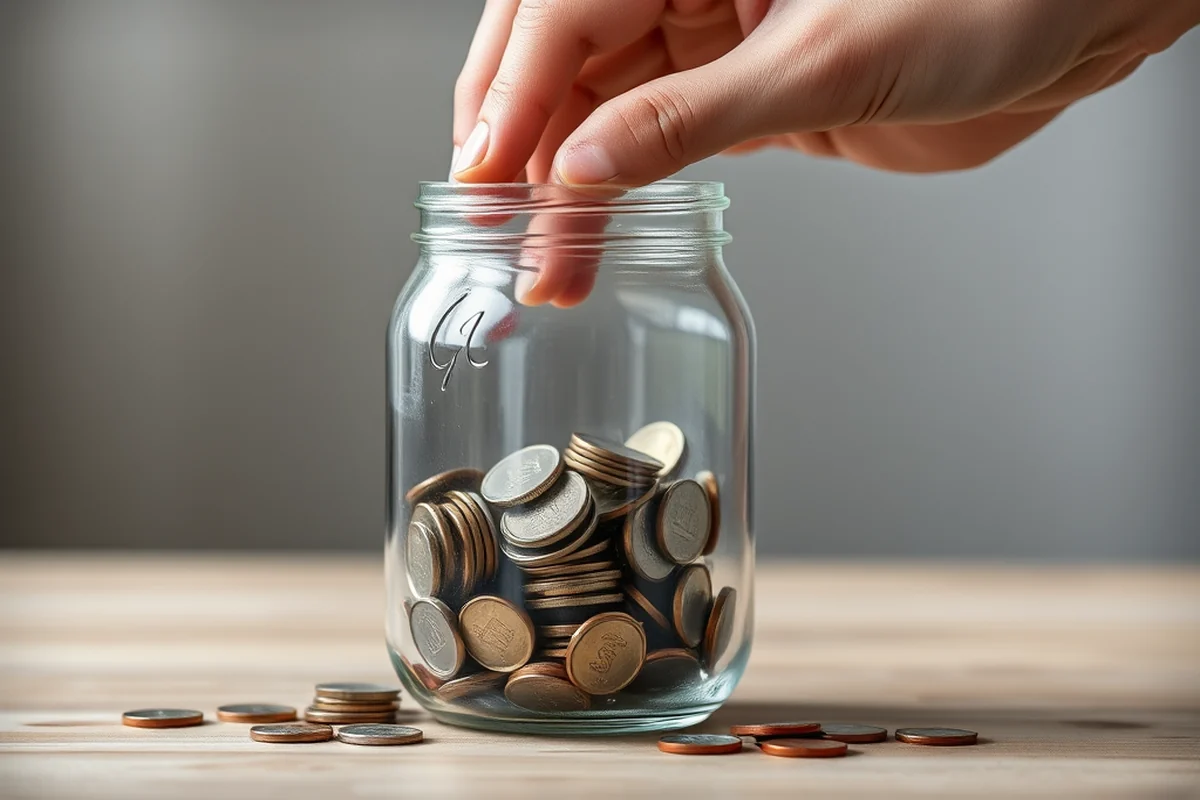
She used a different approach: she set aside 30% of each paycheck into a savings envelope and the rest into envelopes for monthly expenses. This way, even when her income fluctuated, she had consistent savings.[2]
She also used a separate envelope for irregular expenses, like car repairs or medical bills. She kept a small amount in that envelope each month, just in case. That helped her avoid debt when unexpected costs came up.
This system worked for her because it was flexible. She didn’t have to worry about strict monthly budgets, just about setting aside a portion of each paycheck.
For people with irregular income, cash envelopes make money management predictable.
Related: Cash envelope budgeting real checklist
Couples and Shared Envelopes: A Married Couple’s Story
They created a single envelope for shared expenses like rent, utilities, and insurance. Then they each had individual envelopes for things like clothing, personal care, and entertainment. This helped them stay on the same page financially.
They also used a 'joint savings' envelope for big purchases like a vacation or a new car. They only used that envelope once they agreed on a purchase and had enough money saved.
This system worked because it gave each person freedom over their own money while keeping the household finances aligned. It reduced arguments and made their budget more transparent.
Use shared envelopes for household expenses and personal envelopes for individual spending to balance freedom and accountability.
“I remember the first time I tried cash envelope budgeting — I had just left a high-paying job and was trying to rebuild my financial…”— EnvelopeCash editors
Related: Budget cash envelope budgeting real examples case studies
The Power of a Tight Budget: A Single Parent’s Journey
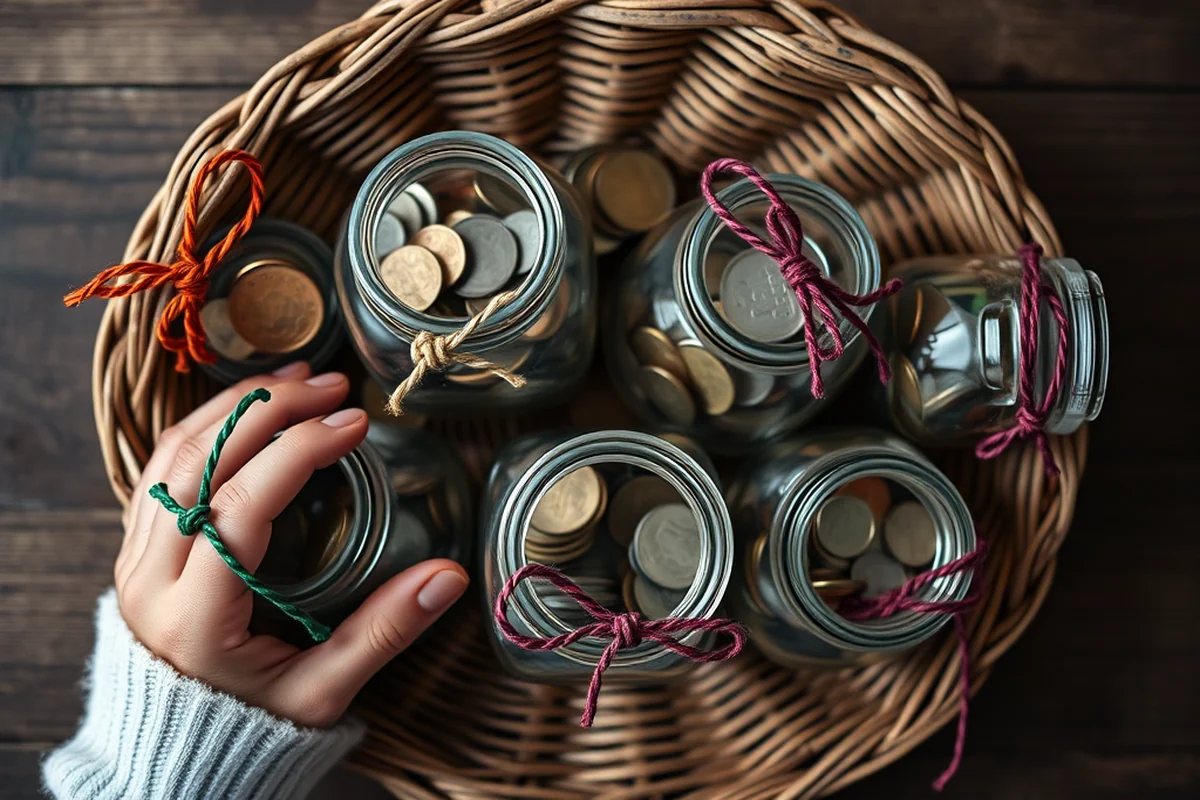
She divided her income into three envelopes: one for rent and utilities, one for groceries and transportation, and one for savings and personal expenses. Each month, she filled them with specific amounts based on her income.
She found that she could survive on just these three envelopes. She didn’t have to buy anything extra, and she still managed to save a little each month. It was challenging, but she felt proud of what she achieved.
Her children didn’t know about the envelopes, but they saw the benefits — more stable housing, better meals, and fewer financial worries. It was a small but powerful way to provide for her family.
Related: Cash app statements
How I Used Cash Envelopes While Traveling
Before my trip, I divided my travel budget into envelopes for lodging, food, and transportation. I labeled them clearly and only used the money from each envelope when I needed it.
I kept the envelopes in my backpack and only took what I needed for each day. I didn’t overspend on food or lodging because I had a limit. I still had money left for souvenirs and activities.
This method worked well for me because it forced me to think about my spending in real time. I didn’t have to worry about running out of money because I had a clear plan.
💰 Tight Budget
Focus on essentials like rent, groceries, and transportation. Limit non-essentials and create a small savings envelope.
🚀 Aggressive Payoff
Allocate more money to debt envelopes and minimize non-essential spending to pay off debt faster.
📈 Irregular Income
Use a percentage of each paycheck to fill envelopes and keep a buffer envelope for unexpected expenses.
🤝 Couples
Create shared envelopes for household expenses and individual envelopes for personal spending to balance freedom and accountability.
🧭 Beginner
Start with three envelopes: rent, groceries, and savings. Expand as your budget grows and becomes more complex.
| The mistake | Why it happens | The fix |
|---|---|---|
| Putting too much money in one envelope | This can lead to overspending in that category or not having enough for other needs. | Distribute your money evenly across all envelopes based on your budget and needs. |
| Ignoring the buffer envelope | Not having a buffer for unexpected expenses can lead to financial stress and overspending. | Always set aside a small amount in a buffer envelope to prepare for emergencies. |
| Not adjusting the envelopes as income changes | Sticking to an old budget can lead to overspending or not saving enough as your income changes. | Review and adjust your envelopes every month based on your current income and expenses. |
| Not using the envelopes for all spending | If you use cash for some expenses and not others, it can be harder to track and control your spending. | Use envelopes for all major spending categories, including transportation, entertainment, and personal care. |
Related: Show me cash
Cash Envelope Budgeting Real Examples Case Studies Ideas
Related: Cash for cars
Cash Envelope System for Managing Debt
How I used cash envelopes to help pay off credit card debt and build financial freedom.
After graduating from college with $10,000 in credit card debt, I knew I needed a plan to pay it off. I started using a cash envelope system to allocate a specific amount of money each month toward my debt. I set aside a dedicated envelope labeled 'debt payment,' and I filled it with money from my paycheck before I had a chance to spend it on anything else. I committed to putting $500 in that envelope every month, and I made sure that the money only went toward paying off my credit card balances.
I found that having a physical envelope for my debt payment kept me focused and motivated. It was a constant reminder of my goal to be debt-free. I also used the cash envelope system to avoid using my credit card for non-essential purchases. I would put cash in my wallet for daily expenses, and I made a rule that I couldn’t spend more than what was in the envelope. This helped me break the cycle of using my credit card to cover expenses I couldn’t afford.
Over the course of 18 months, I was able to pay off my credit card debt and build a small emergency fund. The cash envelope system was a key part of my success. It forced me to be disciplined with my money and made it easier to track my progress. I also used the system to start investing a portion of my income in a retirement account, which I hadn’t done before. It was a simple but effective way to take control of my financial future.
The Unexpected Benefits of Cash Envelopes for Emergency Savings
I never expected cash envelopes to become my go-to method for building an emergency fund, but after struggling with overspending in my checking account, I decided to allocate a specific envelope for unexpected expenses. I set aside $100 every week, and over time, I built up a reserve that felt real and secure. The physical presence of cash made it harder to spend on non-essential items, which helped me stay on track. I even started using smaller envelopes for immediate needs like car repairs or medical expenses, which gave me peace of mind knowing I had cash ready for surprises.
When I first started, I was skeptical about whether cash envelopes could work for emergency savings, but the results were surprising. I noticed that I was more likely to save when I could see the cash in the envelope, rather than just seeing a number on a bank statement. This method helped me avoid the pitfall of dipping into my emergency fund for things like dining out or impulse purchases. Over six months, my emergency fund grew from $0 to $1,200, which felt like a real accomplishment, not just an abstract number in an app.
One of the most unexpected benefits was how cash envelopes changed my relationship with money. I became more mindful of my spending habits and more intentional with my savings. I no longer felt the need to constantly check my account balance, and I found that managing money with cash was less stressful than managing it digitally. This approach also helped me teach my kids about saving, as they could see the cash and understand the value of setting aside money for the future.
Common Questions
Can I use cash envelopes if I have a lot of debt?
How do I handle unexpected expenses with cash envelopes?
What if I have a variable income?
Can I use this method if I have a spouse?
References
- Strengthening public financial management in the health sector - PMC (pmc.ncbi.nlm.nih.gov)
- Balancing the Budget, Fitting It All In - USU Digital Commons (digitalcommons.usu.edu)
- Budgeting Tips for Renters - Vermont Law and Graduate School (offcampushousing.vermontlaw.edu)
Cite this guide
EnvelopeCash (2026). Cash Envelope Budgeting Real Examples Case Studies Ideas. https://envelopecash.com/cash-envelope-budgeting-real-examples-case-studies-ideas/
Feel free to cite or share this guide.