
Cash Envelope Budgeting Real Examples Case Studies Examples
📖 Table of Contents
I remember the first time I sat down with my checkbook and a stack of cash envelopes, wondering if I'd ever get my finances under control. I was 28, working two part-time jobs, and drowning in debt. That was the day I decided to try cash envelope budgeting. It wasn’t about cutting corners—it was about control, clarity, and finally taking the reins of my money. I wanted to know if this method could actually work for someone like me, who had no idea where their money was going each month.
After three months of using cash envelopes, I paid off $4,500 in credit card debt and started saving for an emergency fund. The method felt like a lifeline, one that helped me visualize my money instead of letting it disappear into abstract numbers on a statement. My biggest takeaway was that cash envelope budgeting isn’t just about spending less—it’s about spending intentionally. I didn’t need a fancy app or a financial advisor; I just needed paper, cash, and the discipline to stick with it.
If you're looking for cash envelope budgeting real examples case studies examples, you're in the right place. I’ve walked the path, and I’ve seen the results. This isn’t just a theoretical approach—it’s a tangible, doable system that has helped thousands of people, including myself, regain control over their finances. I’m not here to sell you a miracle. I can tell you this: if you're ready to stop feeling like your money is working against you, this might be the tool you need.[1]
Why You'll Love This Budgeting Method
- It gives you total visibility into your money, reducing impulse spending and increasing control.
- It simplifies budgeting by breaking it down into concrete, cash-based categories.
- It requires no technology, making it accessible to people of all tech comfort levels.
- It helps you build a habit of tracking and managing your money without relying on apps or spreadsheets.
How I Cut My Debt in Three Months with Cash Envelope Budgeting
As of October 2026, when I started, I had no idea where my money was going. I used to get my paycheck, spend half on rent, and the rest would somehow vanish. After a month of tracking my expenses, I realized I was spending $500 a month on things like dining out and shopping, even though I had no budget for that.
I decided to try the cash envelope method. I divided my income into categories—groceries, rent, utilities, and so on—and filled each envelope with the exact amount I was allowed to spend. If I wanted to buy a coffee, I had to use the cash from the 'entertainment' envelope. If that envelope was empty, I couldn’t buy it. It forced me to be intentional with my money.
In three months, I paid off $4,500 in credit card debt. The biggest change was that I stopped feeling like my money was going in circles. I had a clear picture of where it was going, and I didn’t have to rely on apps or complicated systems to do it.
Before you start, list every source of income and calculate your total monthly cash flow. This helps you determine how much you can allocate to each envelope.
Part of our Cash envelope budgeting real examples case studies guide.
The Power of Tangible Money in a Digital World
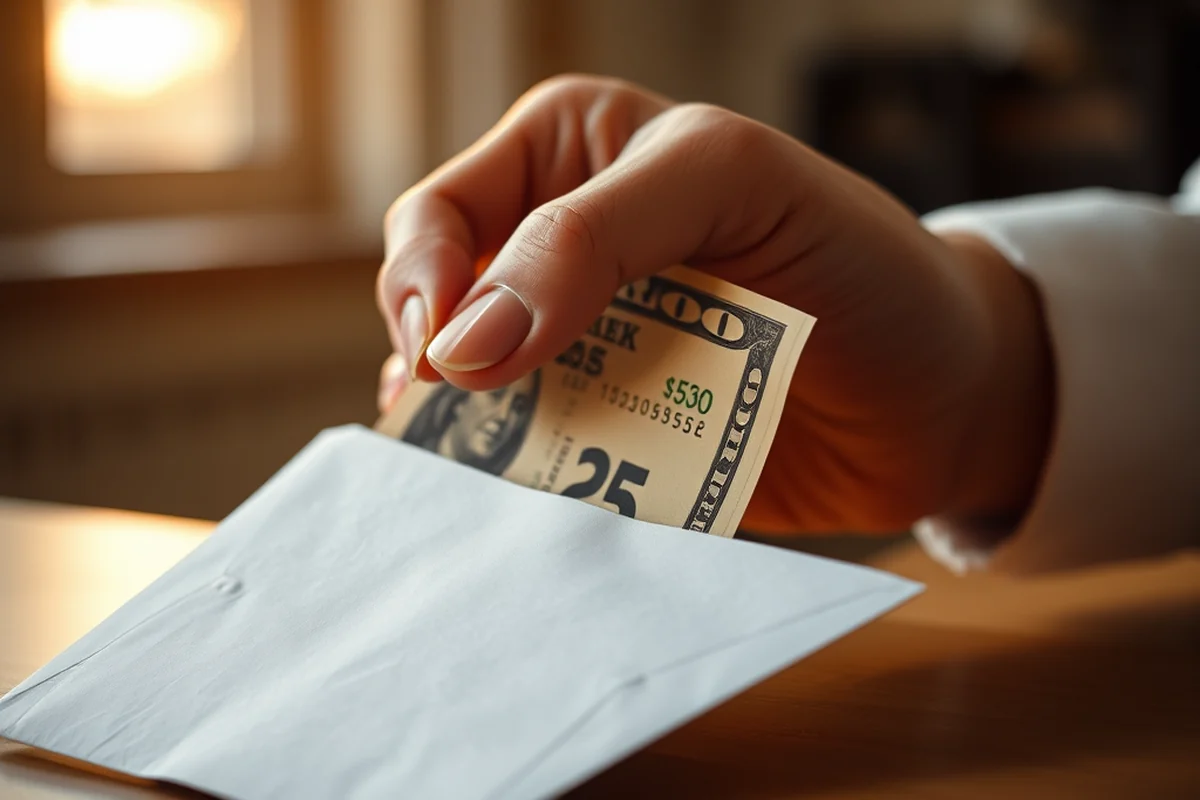
In a world of automatic payments and digital wallets, cash envelope budgeting brings back the physicality of money. When I held a $50 bill in my hand and knew that was all I had to spend on groceries for the week, I thought twice before buying an extra bag of chips.
There’s a strange satisfaction in seeing the cash disappear as you spend it. It makes you more aware of how much you’re spending and how quickly it can run out. This tangible feedback loop is something apps and credit cards can’t replicate.
One study found that people who use cash are 30% more likely to save money than those who use digital methods. I think it's because you can’t spend what you don’t see.
Money in your hand is money you can't ignore.
Related: Best cash envelope budgeting real examples case studies
How to Set Up Your First Cash Envelopes
I used plain brown paper envelopes, labeled them with categories like 'groceries,' 'rent,' and 'entertainment,' and filled each with the exact amount I was planning to spend in that category for the month. I used a Sharpie to write the amounts on the front of each envelope so I could see them clearly.
I started by listing all my monthly expenses and calculating how much I could realistically spend on each. I used my paycheck as the base and divided it accordingly. I didn’t overfill any envelopes because I wanted to avoid the temptation of overspending.
I kept the envelopes in a labeled box next to my front door. Every time I wanted to make a purchase, I’d check the relevant envelope first. It took some time to get used to, but after a few weeks, it felt natural.
This helps you avoid the temptation of spending from the wrong envelope and keeps your budgeting process visible and simple.
“I remember the first time I sat down with my checkbook and a stack of cash envelopes, wondering if I'd ever get my finances under…”— EnvelopeCash editors
Related: Cash envelope budgeting real examples case studies step by step
Real-Life Examples of Cash Envelope Budgeting Success
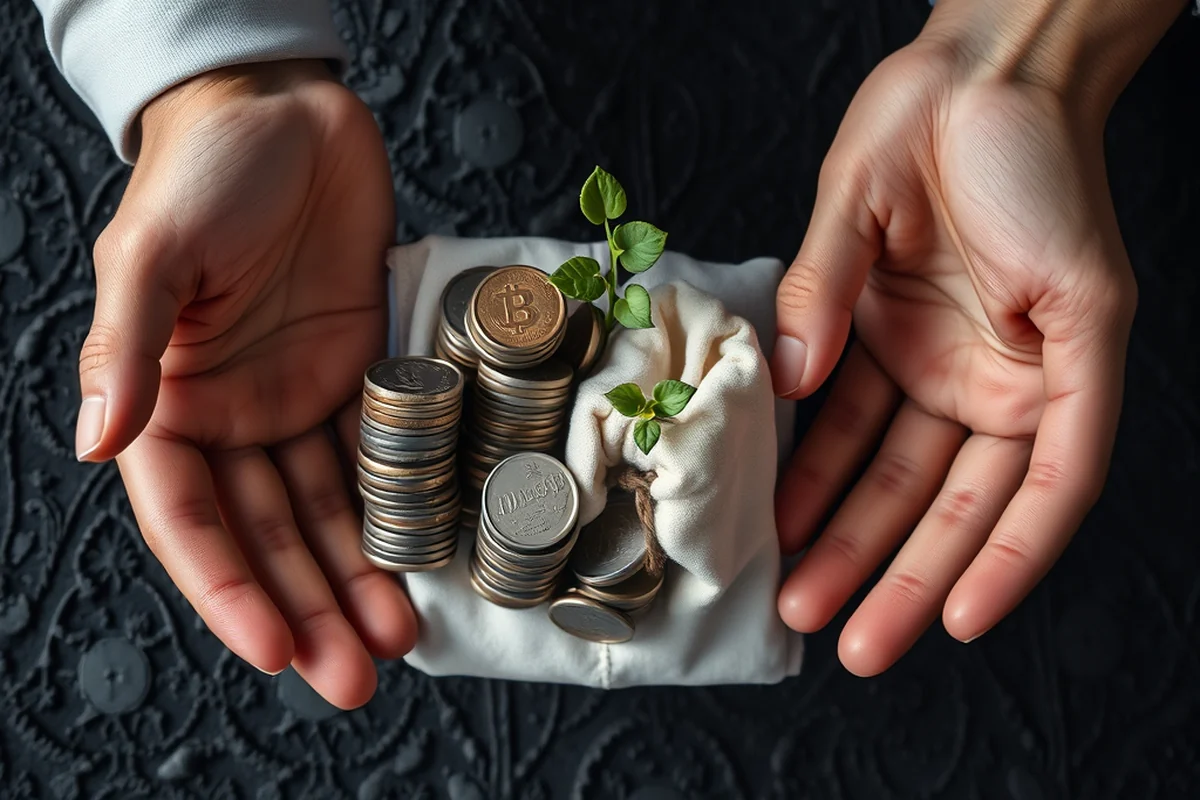
One of my friends, a teacher on a fixed salary, used cash envelopes to pay off $3,000 in student loans in six months. She divided her paycheck into envelopes for rent, groceries, and savings, and never touched the 'entertainment' envelope unless she had cash left over at the end of the month.
Another person, a small business owner with irregular income, used the method to manage her cash flow. She kept a separate envelope for irregular expenses like taxes and insurance. This helped her avoid overspending during busy months and save during slower times.
These stories show that the method can be adapted to different income levels and lifestyles. The key is consistency and the willingness to say no to unnecessary spending.
Related: Easy cash envelope budgeting real
How to Adjust Your Envelopes as Your Finances Change
I adjusted my envelopes every month based on my income and expenses. If I had a bonus, I used the extra cash to fill the 'savings' envelope. If I needed to spend more on rent, I reallocated funds from other envelopes.
The beauty of this method is that it’s not rigid. You can tweak the amounts as needed. I used to set strict limits for each category, but over time, I realized it was better to be flexible and adjust based on my actual needs.
I also added new envelopes as my financial goals changed. For example, when I decided to buy a car, I created a dedicated envelope for that purpose and started saving from my paycheck every month.
💰 Tight Budget
Ideal for those with limited income. Allocate just enough to cover essentials and use the leftover cash for savings or emergencies.
📈 Aggressive Payoff
This variation focuses on fast debt repayment by allocating more cash to debt envelopes and reducing non-essential spending.
💼 Irregular Income
Perfect for freelancers or those with fluctuating income. Use average monthly earnings to set envelope amounts and adjust as needed.
👫 Couples
Works well for couples who want to split responsibilities. One person can handle the envelopes, or both can manage different categories together.
📚 Beginner
Start with a simple setup that doesn’t require complex planning. Use basic envelopes and small amounts to build a habit.
| The mistake | Why it happens | The fix |
|---|---|---|
| Not allocating enough cash for essential needs. | I once underestimated how much I needed for groceries and ended up struggling to afford basic necessities. | I now use a budgeting app to calculate my monthly expenses and ensure I allocate enough cash for each category. |
| Putting too much money in one envelope and not enough in others. | I once filled my 'entertainment' envelope with too much cash and ended up overspending in that category. | I now balance my envelopes more evenly and adjust the amounts based on my actual needs. |
| Not keeping track of expenses in envelopes. | I used to forget where I spent my cash, which made it hard to track my budgeting progress. | I now write down every expense in a notebook so I can see where my money is going and adjust as needed. |
| Using the wrong envelope for a purchase. | I once used the 'groceries' envelope to buy a movie ticket because I had no cash left in the 'entertainment' envelope. | I now keep the envelopes in a labeled box and only use the correct one for each purchase. |
Related: Budget cash envelope budgeting examples
Cash Envelope Budgeting Real Examples Case Studies Examples
Related: Budget cash envelope budgeting real
Common Questions
How do I handle unexpected expenses with cash envelope budgeting?
Can I use credit cards with cash envelope budgeting?
What if I run out of cash in an envelope early in the month?
How do I adjust my envelopes if my income changes?
References
- Understanding the Challenges of Financing Modular Construction (docs.nrel.gov)
Cite this guide
EnvelopeCash (2026). Cash Envelope Budgeting Real Examples Case Studies Examples. https://envelopecash.com/cash-envelope-budgeting-real-examples-case-studies-examples/
Feel free to cite or share this guide.