Simple Cash Envelope Budgeting Ideas
📖 Table of Contents
The first time I used the cash envelope budgeting method, I didn’t know what to expect. I had been juggling bills and credit cards for years, always feeling like I was one unexpected expense away from disaster. I had heard about cash envelopes, but they sounded too basic or too limiting for someone like me. I was wrong. That first week, I took out $300, divided it into envelopes labeled 'groceries,' 'entertainment,' and 'miscellaneous,' and watched my spending habits change in a way I never imagined. For the full picture, see our cash envelope budgeting guide — our complete hub on the topic.[1]
What struck me most was how tangible the money became. I no longer felt like I was spending on a whim, because every purchase required a physical withdrawal from my envelopes. When I ran out of cash for groceries, I couldn’t just charge it to a card and pretend I’d be fine later. I had to wait until the next paycheck to refill my envelope. That moment of pause was exactly what I needed to start thinking about my money in a more intentional way.
Since that first experience, I’ve shared the cash envelope budgeting method with friends, family, and even my own clients. I’ve seen it help people from different walks of life—students, stay-at-home parents. Even small business owners—take control of their finances in a way that felt simple, sustainable, and even empowering. The beauty of this method is that it’s not just about cutting costs; it’s about creating a rhythm that works with your life, not against it. That’s why I want to share some of my favorite simple cash envelope budgeting ideas with you.
Why You'll Love This Simple Cash Envelope Budgeting Method
- You’ll feel in control of your money for the first time in years.
- You’ll stop overspending on things you don’t really need.
- You’ll develop the habit of saving automatically, without having to think about it.
- You’ll find that your spending gets more intentional and your savings more consistent.
Getting Started with Your First Envelopes
As of August 2026, to begin, I recommend setting aside a few minutes each week to plan your budget. Decide which categories you need envelopes for—like groceries, transportation, entertainment, and savings. I personally use six main envelopes: groceries, bills, savings, entertainment, miscellaneous, and debt. Each envelope gets a specific amount of cash based on your income and priorities.[2]
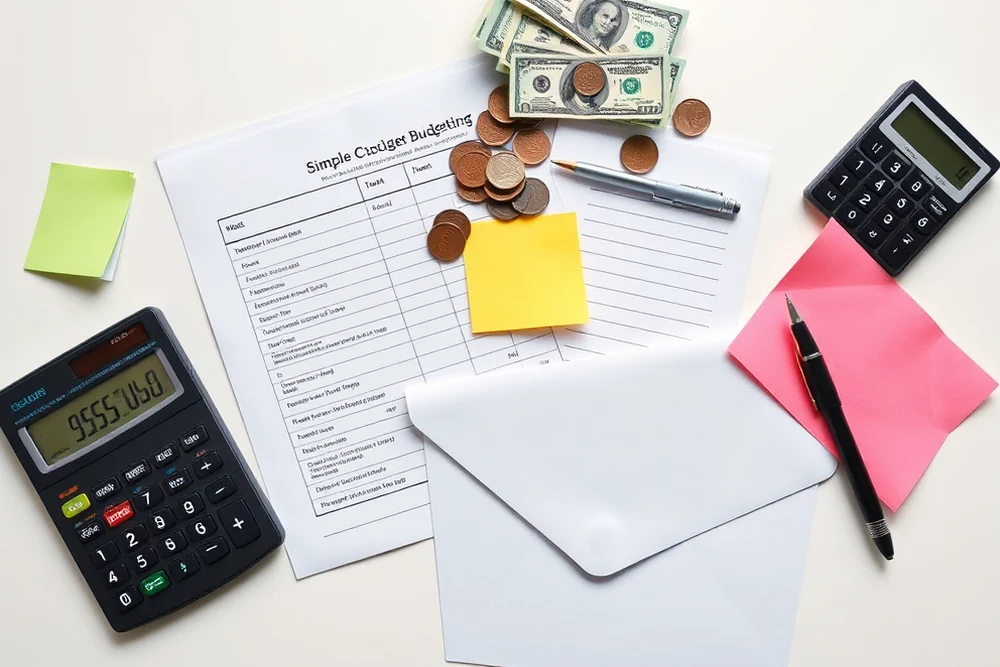
I like to use clear, labeled plastic envelopes so I can see how much I have left at a glance. The first time I did this, I felt an immediate sense of clarity. I knew exactly how much I could spend on groceries, and when I opened the envelope on a rainy Thursday and only had $20 left, I had to make due with what I had. It was uncomfortable, but it taught me a lot.[3]
I recommend starting with a small budget to test the method. For example, if your monthly income is $2,000, you might allocate $300 to groceries, $200 to bills, $100 to savings, and the rest to other categories. Once you’re comfortable, you can increase the amounts as needed.[4]
Use a permanent marker to label each envelope with the category and the amount you’ve allocated. This helps you track your spending and know exactly what you have left in each category. I use different colors for different categories to make it even easier to identify them.
The Power of Physical Money in Envelopes
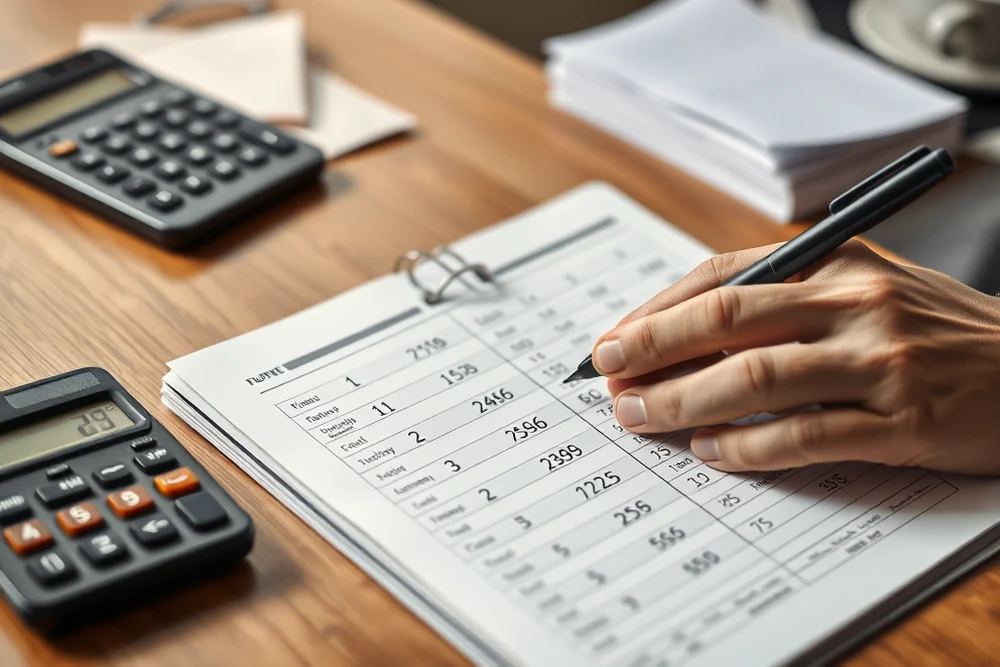
When I first started using the cash envelope method, I noticed that I was spending a lot more on things like coffee and takeout than I had planned. Because the money was in physical envelopes, I had to physically take it out of the envelope to spend it. That small act of taking out the cash made a big difference in my behavior.
I’ve found that the cash envelope method works best for people who are visual learners. When you see the money in the envelope, it feels more real than when you’re swiping a card. I used to think that I needed a lot of money to save, but with the envelope method, I started saving automatically each month.
I also recommend using a small notebook to track your spending. I write down each time I take money out of an envelope, and I’ve noticed that this helps me stay more accountable. It’s a small but powerful habit that has helped me stay on track with my financial goals.[5]
The cash is real, the spending is real, and the savings are real.
Related: Best cash envelope budget system
Related: Simple cash envelope budget template
Related: Cash envelope budgeting ideas for beginners
Related: Easy cash envelope budget binder
Related: Budget book with cash envelopes without tools
Related: Simple Cash Envelope Budgeting Mistakes
Related: Cash And Carry
Customizing Your Envelopes to Fit Your Life
When I first started using the method, I had the same envelopes as everyone else: groceries, bills, savings, entertainment, and miscellaneous. But after a few months, I realized that these categories didn’t quite fit my life. For example, I needed a separate envelope for online shopping and another one for travel expenses.
I recommend taking some time to think about what categories are most important to you. Are you saving for a vacation, paying off debt, or preparing for retirement? These are all great reasons to have a dedicated envelope. I’ve found that having multiple envelopes for the same category can help you stay more organized and avoid overspending.
I also like to set up different envelopes for different parts of my life, such as work-related expenses and personal expenses. This helps me keep my money separate and makes it easier to track where my money is going. It’s a small change that can make a big difference in how you manage your finances.
Think about what parts of your life are most important to you and create envelopes for those categories. Whether it’s a vacation fund, a debt payoff fund, or a home improvement fund, having a dedicated envelope can help you stay on track with your financial goals.
“The first time I used the cash envelope budgeting method, I didn’t know what to expect.”— EnvelopeCash editors
Adjusting Your Budget as Life Changes
When I first started using the cash envelope method, I had a fixed budget that I followed every month. But life is unpredictable, and I quickly realized that my budget needed to change as my income and expenses changed. For example, when I got a raise at work, I increased the amounts in my envelopes for savings and entertainment.
I recommend reviewing your budget at least once a month to see if any changes are needed. If you find that you’re consistently running out of money in one category, you may need to adjust the amounts in your envelopes. I’ve found that this helps me stay more in control of my finances and avoid overspending.
Another thing I like to do is adjust my envelopes based on my monthly goals. For example, if I want to save more money for a vacation, I’ll allocate more cash to my savings envelope and reduce the amounts in other categories. This helps me stay focused on my financial goals and avoid overspending.
The Long-Term Benefits of Cash Envelope Budgeting
When I first started using the cash envelope method, I didn’t realize how much it would help me build long-term financial habits. I had always struggled with overspending and saving, but the envelope method helped me change that. I started saving more money each month and found that I was spending less on things I didn’t really need.
Over time, I noticed that my financial habits improved dramatically. I was able to pay off debt more quickly, save for the future, and even start investing. I’ve found that the cash envelope method is a powerful tool for building financial discipline and staying on track with your goals.
I believe that the cash envelope method is a great way to build long-term financial habits. It helps you stay accountable, track your spending, and make better financial decisions. Whether you’re just starting out or you’ve been managing your money for years, the cash envelope method can help you reach your financial goals.
⭐ Classic
The traditional cash envelope method with standard categories like groceries and bills.
💰 Budget
A version of the method that focuses on saving as much as possible while still living comfortably.
⚡ Extra-Fast
A streamlined version of the method that makes it easier to set up and manage your envelopes quickly.
✨ Depth
A more in-depth version of the method that includes additional categories and tools for tracking your spending.
🥗 Light
A simplified version of the method that’s perfect for people who are just starting out and want to keep it simple.
| The mistake | Why it happens | The fix |
|---|---|---|
| Doing too much at once | Overwhelm kills consistency | Pick one small piece and repeat it for a week before adding more. |
| Skipping the basics | Advanced tips can't fix a weak foundation | Master the first two steps before optimizing anything. |
Simple Cash Envelope Budgeting Ideas
Common Questions
How do I know how much money to put in each envelope?
What if I run out of money in an envelope before the end of the month?
Can I use the cash envelope method for multiple people?
Is the cash envelope method suitable for people with irregular incomes?
References
- PDF Creating a cash flow budget (consumerfinance.gov)
- Successful Budgeting and Financial Planning for the New Year (dfpi.ca.gov)
- PDF e3d17508174bba1bf853022ac99337e4967d4f910314229c5906298d1a8703eb - SEC.gov (sec.gov)
- The Envelope System: A Cash-Based Budgeting Hack (sites.psu.edu)
- What Is the Cash Stuffing Envelope Budget System? - NerdWallet (nerdwallet.com)
Cite this guide
EnvelopeCash (2026). Simple Cash Envelope Budgeting Ideas. https://envelopecash.com/simple-cash-envelope-budgeting-ideas/
Feel free to cite or share this guide.