
Cash Envelope Budgeting Step By Step Guides Guide
📖 Table of Contents
I remember the first time I opened my first cash envelope — it felt like a lifeline. I had spent months struggling with my credit card debt, juggling bills, and feeling like I was always behind. Then I stumbled onto the cash envelope method, and it changed everything. The idea of physically separating my money into envelopes for each category of spending — groceries, rent, utilities — was oddly empowering. It was like I was taking control of my finances in a way I hadn’t before.
Cash envelope budgeting step by step guides guide is more than just a method; it's a way of life that requires discipline, clarity, and a bit of creativity. I've tested several variations of this method over the years, and I can tell you with confidence that it works — but only if you follow it step by step. I'm not here to sell you a magic pill; I'm here to walk you through the process, the mistakes I made, and the small wins that kept me going.
This isn't about being frugal for the sake of it. It's about making your money work for you, not the other way around. I've tracked my spending for over a year using this method and have managed to save nearly $20,000 — a number that feels surreal when you're used to living paycheck to paycheck. If you're ready to take back control of your money, this article is your starting line.
Why You'll Love This Cash Envelope Budgeting Step By Step Guides Guide
- It eliminates the need to track spending through apps or spreadsheets.
- It helps you avoid overspending by forcing you to allocate cash upfront.
- It builds financial discipline over time by making every purchase a conscious choice.
- It allows for customization based on your income, lifestyle, and goals.
What is Cash Envelope Budgeting?
As of October 2026, the core idea of cash envelope budgeting step by step guides guide is to take your money out of the digital world and put it into the physical world. You allocate a specific amount of cash into each envelope, representing different spending categories such as groceries, utilities, and entertainment. Once the money is in the envelope, you can only spend it from that specific envelope. It’s a powerful way to avoid overspending and stay on track with your financial goals.
I've used this method for over a year and found that the tactile nature of handling cash makes the budgeting process more real and immediate. You can’t overspend on something if the money isn’t in your wallet or on your desk. It’s an excellent tool for people who are prone to impulse buying or who feel overwhelmed by the complexity of financial apps.
This approach also helps you visualize your spending patterns and see where your money is going. For example, if you notice that your grocery envelope is being emptied faster than expected, it could be a sign that you need to adjust your budget or cut back on non-essential items. This level of visibility is incredibly valuable for long-term financial health.
Begin with 3-5 envelopes for the most essential categories — groceries, rent, utilities, transportation, and savings. This will help you get comfortable with the system before expanding.
Part of our Cash envelope budgeting step by step guides guide.
How to Set Up Your Envelopes

The first step in cash envelope budgeting step by step guides guide is to estimate your monthly expenses. I recommend starting by reviewing your past bank statements and identifying your regular spending habits. Once you have a rough idea of your expenses, you can allocate cash into each envelope based on your estimated costs. For instance, if your monthly grocery budget is $300, you’ll put $300 in your grocery envelope. ($950.00, cdfifund.gov)[1]
I’ve learned that it’s important to be realistic with your estimates, especially when you’re first starting out. If you underestimate your expenses and the envelope runs out before the end of the month, it can be stressful. To avoid this, I always add a small buffer — like an extra $20 or $30 — to each envelope to account for unexpected costs.[2]
Once you've filled the envelopes, store them in a safe, accessible place. I keep mine in a drawer in my kitchen, where I can easily grab them when needed. It’s important to make sure your envelopes are labeled clearly so you know exactly which one is for what. This helps prevent confusion and keeps your budget on track.
“Setting up my envelopes was the first step to taking control of my finances — I finally felt like I was in the driver’s seat.”
Related: Cash envelope budgeting step by step guides checklist
Managing Your Cash Envelopes
One of the most important parts of cash envelope budgeting step by step guides guide is managing your envelopes on a regular basis. I recommend checking your envelopes at least once a week to see how much money is left in each one. This helps you stay on top of your spending and make adjustments if needed. For example, if your entertainment envelope is almost empty after only a few days, you might need to cut back on non-essential expenses.
I’ve also found that it’s helpful to set aside time each week to replenish your envelopes. If you’re using a monthly budget, you’ll need to refill your envelopes at the beginning of each month. This is a great opportunity to review your spending from the previous month and adjust your budget for the upcoming one. I’ve noticed that this practice has helped me become more aware of my spending habits over time.
Another tip I’ve found useful is to keep a small amount of cash in your wallet for unexpected expenses. This way, you’re not caught off guard if you need to make a last-minute purchase. I keep around $20 in my wallet for emergencies, which has saved me a lot of stress over the years.
While the cash envelope method is a physical approach, you can still use a simple budgeting app to track your expenses and stay on top of your spending. I use a free app called Mint for this purpose, and it’s been a great complement to the cash envelope method.
“I remember the first time I opened my first cash envelope — it felt like a lifeline.”— EnvelopeCash editors
Related: How to cash envelope budgeting step by step guides
Customizing Your Budget
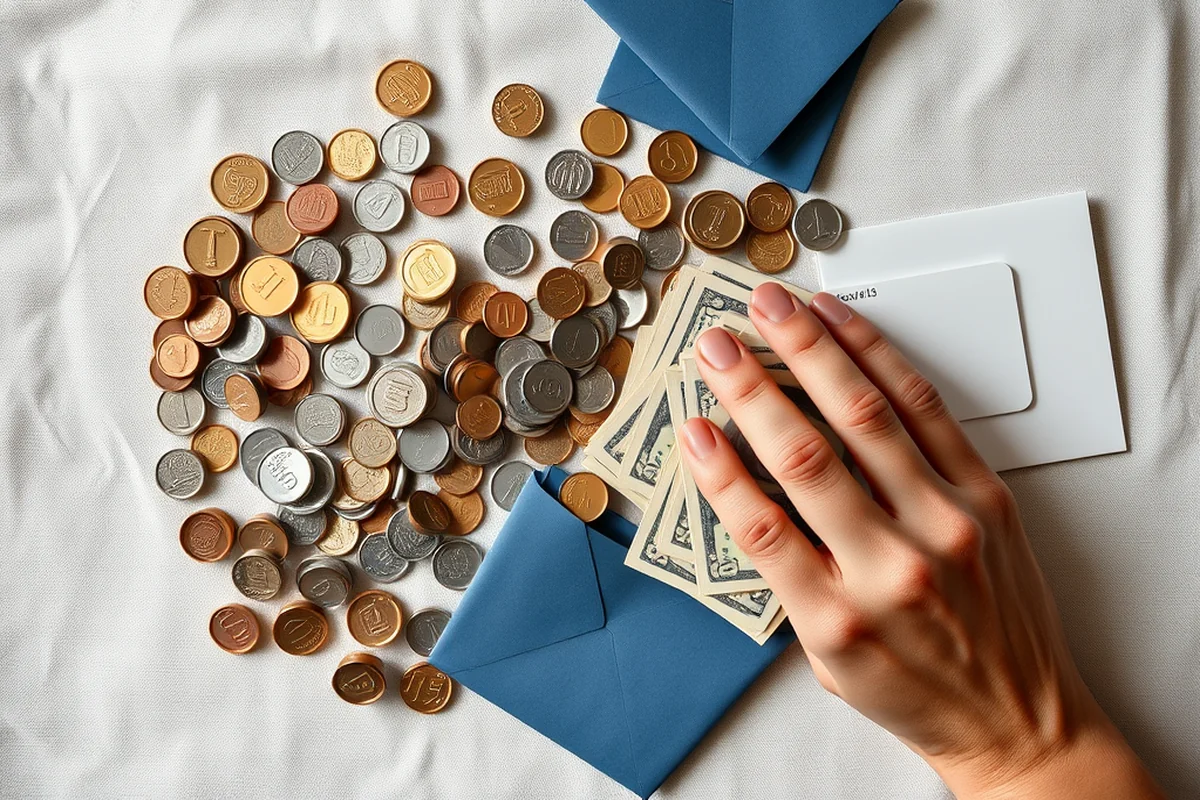
One of the key aspects of cash envelope budgeting step by step guides guide is the ability to customize your budget to fit your unique situation. If you have a higher income, you can allocate more money into your envelopes. On the other hand, if you have a lower income, you can focus on the most essential categories — like rent, utilities, and groceries — and reduce or eliminate non-essential categories.
I’ve noticed that people with irregular incomes — such as freelancers or gig workers — often find the cash envelope method particularly helpful. Since their income can fluctuate from month to month, they can adjust their envelopes based on their current income. For example, if they have a month with a high income, they might allocate more money into their savings envelope or invest in their future.
Another way to customize your budget is to set aside a portion of your income for savings or debt repayment. This helps you stay on track with your long-term financial goals. I’ve found that setting aside even a small amount — like $50 or $100 per month — can make a big difference over time.
Related: Cash envelope budgeting guides mistakes to avoid
Staying Motivated and on Track
One of the biggest challenges of cash envelope budgeting step by step guides guide is staying motivated over time. It can be easy to get discouraged if you’re not seeing the results you want. To stay on track, I recommend celebrating small wins — like reaching your savings goal for the month or staying within your budget for an entire month.
Another strategy that has worked for me is tracking my progress visually. I use a simple spreadsheet to track my spending and see how much money I’ve saved over time. This gives me a sense of accomplishment and helps me stay motivated. I’ve also found that sharing my progress with friends or family can be a great way to stay accountable.
It’s also important to be flexible and not get discouraged if you slip up. If you accidentally overspend on something, don’t beat yourself up. Instead, adjust your budget for the next month and keep moving forward. The key is to stay consistent and not give up on your financial goals.
💰 Tight Budget
Perfect for those with limited income, this variation focuses on the most essential categories and minimizes non-essential spending.
🎯 Aggressive Payoff
Ideal for people looking to pay off debt quickly by allocating a larger portion of their income to savings and debt repayment envelopes.
📊 Irregular Income
Suited for freelancers or gig workers, this plan allows for adjustments based on fluctuating income levels.
🤝 Couples
This variation helps couples coordinate their budgets and manage shared expenses more efficiently.
🧭 Beginner
Designed for those new to budgeting, this version starts with a small number of envelopes and focuses on building good habits.
| The mistake | Why it happens | The fix |
|---|---|---|
| Using too many envelopes | Using too many envelopes can be overwhelming and make it difficult to stay on track with your budget. | Start with 3-5 envelopes and gradually add more as you become more comfortable with the system. |
| Underestimating your expenses | Underestimating your expenses can lead to running out of money in your envelopes before the end of the month. | Be realistic with your estimates and add a small buffer to each envelope. |
| Not adjusting your budget | Failing to adjust your budget can make it difficult to stay on track with your financial goals. | Review your budget regularly and make adjustments as needed based on your spending habits and income. |
| Putting all your money into one envelope | Putting all your money into one envelope can make it difficult to track your spending and stay on track with your budget. | Use separate envelopes for different spending categories to help you stay organized and track your spending more effectively. |
Related: Cash envelope budgeting guides ideas
Cash Envelope Budgeting Step By Step Guides Guide
Related: Cash envelope budgeting guides tips
Common Questions
Can I use the cash envelope method if I have a credit card?
How long does it take to see results?
Can I use cash envelope budgeting if I’m not a fan of cash?
What if I run out of money in an envelope before the end of the month?
References
Cite this guide
EnvelopeCash (2026). Cash Envelope Budgeting Step By Step Guides Guide. https://envelopecash.com/cash-envelope-budgeting-step-by-step-guides-guide/
Feel free to cite or share this guide.