Small Cash Envelope Budgeting
📖 Table of Contents
I remember the day I realized that my budgeting wasn't working. I had a full-time job, a part-time side hustle, and a growing family, yet I was still struggling to keep up with the bills. It wasn’t until I tried small cash envelope budgeting that I found a way to bring clarity to my finances. This method is simple, tangible, and surprisingly effective for managing money in a way that doesn’t rely on apps or spreadsheets. For the full picture, see cash envelope budgeting — our complete hub on the topic.[1]
Small cash envelope budgeting involves setting aside physical cash for different spending categories, like groceries, entertainment, and transportation. I didn’t expect it to make a difference, but after just a few weeks, I noticed a shift in how I spent my money. I was more mindful of my choices, and I had a sense of control that I hadn’t felt before. It’s a low-tech, high-impact approach that works for people who want to take back control of their money without the complexity of digital tools.[2]
What I love most about small cash envelope budgeting is how it forces you to be intentional with your spending. I used to blow through my grocery budget in a matter of days, but once I had cash in an envelope, I found myself thinking twice before buying that extra bag of chips. It’s not about restricting your freedom—it’s about giving your money a clear purpose and a structured home. Small cash envelope budgeting has become a cornerstone of my financial life, and it can be for you too.[3]
Why You'll Love This Budgeting Method
- It helps you spend only what you can afford by making money visible and tangible.
- It reduces the temptation to overspend because you can’t swipe or click your way into debt.
- It encourages mindfulness and intentionality with every purchase.
- It’s adaptable to your lifestyle and doesn’t require a high-tech setup.
How Small Cash Envelope Budgeting Works
As of August 2026, the idea is simple: you estimate how much you’ll spend in each category for the month and put that amount in an envelope. When the money is gone, you stop spending in that category. I used this method for my monthly grocery budget, and I found that I was much more careful with my purchases. I could see exactly how much I had left, and I didn’t want to waste it on unnecessary items.[4]
This method is especially useful for people who struggle with impulse buying or who feel overwhelmed by digital budgeting apps. I tried using a few apps before, but they felt too abstract. With cash envelopes, I could feel the money in my hands, which made it more real. I noticed that I was more likely to stick to my budget when I had a physical limit to work with.[5]
Another benefit of this method is that it teaches you how to live within your means. I had a hard time believing that I could cut back on certain expenses, but after using cash envelopes for a few months, I saw that I was actually spending less without feeling deprived. It’s a way to take control of your money without feeling like you’re being punished for it.
Use envelopes that are clearly labeled and easy to open. I prefer using colored envelopes for different categories, like green for groceries and blue for entertainment. That way, I can quickly see which ones are running low.
Why Cash Envelopes Help You Save More
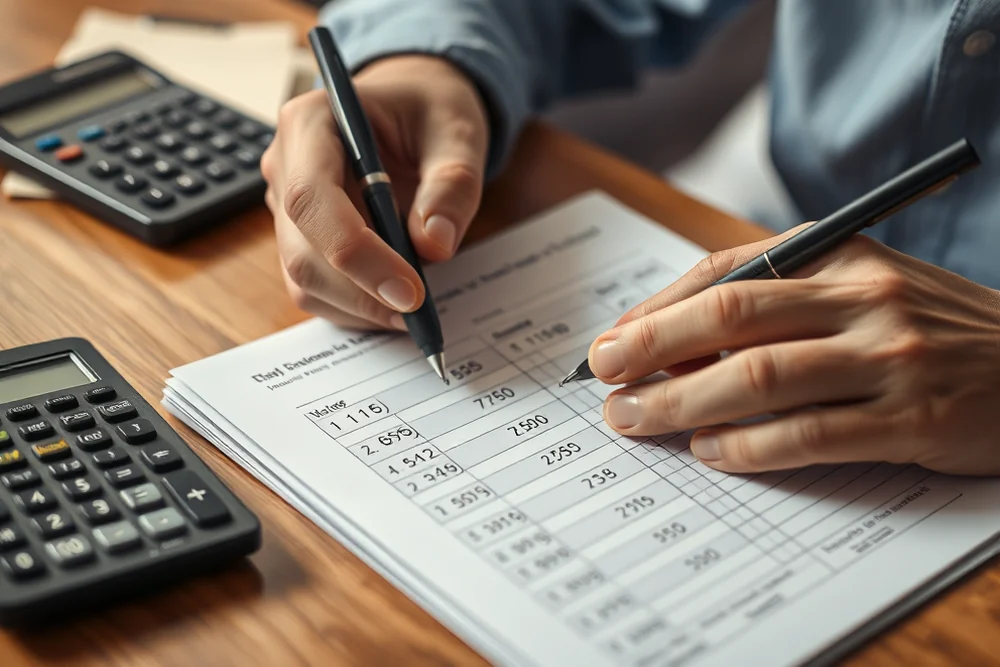
One of the biggest surprises for me was how much I was able to save each month after starting with cash envelopes. I had always thought I needed to earn more money to save, but I realized that I was just spending too much on small things. Once I had a set amount for each category, I found myself being more deliberate with my purchases.
For example, I used to spend a lot of money on takeout because it was easier than cooking. But once I had a cash envelope for food, I found that I was more inclined to cook at home. I didn’t just save money on meals—I also saved time and felt better physically because I was eating more whole foods.
This method also helps you avoid the hidden costs of credit card debt. I used to rely on my credit card for small purchases, not realizing how quickly the interest could add up. With cash envelopes, I had a hard limit on how much I could spend, and I didn’t have to worry about the extra charges that came with using a card.
You can’t spend what you don’t have—especially when it’s in an envelope.
Related: Cheap cash envelope budgeting
Related: Easy cash envelope budgeting
Related: Cash envelope budgeting ideas for beginners
Related: Minimalist budget envelopes for cash budgeting
Related: Cheap cash envelope budgeting for beginners
Related: Payroll Software Small Business Pricing
How to Set Up Your Cash Envelopes
First, you’ll need to determine your monthly budget for each category. I start by looking at my past spending and adjusting for any changes in income or expenses. Once I have an estimate, I write that number on a label and place it on an envelope. I use different colors for different categories so I can easily tell which ones are running low.
Next, I allocate the cash for each category. I usually do this at the beginning of the month, but I’ve also found that it’s helpful to review my envelopes mid-month and adjust if needed. I’ve learned that I tend to spend more on groceries than I expect, so I make sure to put a little extra in that envelope just in case.
Finally, I keep my envelopes in a safe, accessible place, like a drawer or a box. I find that having them in one place helps me stay consistent with my budgeting. I also use a small notebook to track my spending as I go, which gives me a visual record of where my money is going.
Be flexible with your budget. If you find that you’re consistently overspending in a category, consider increasing the amount you allocate. You can always adjust your envelopes mid-month to better reflect your needs.
“I remember the day I realized that my budgeting wasn't working.”— EnvelopeCash editors
The Psychological Benefits of Cash Envelope Budgeting
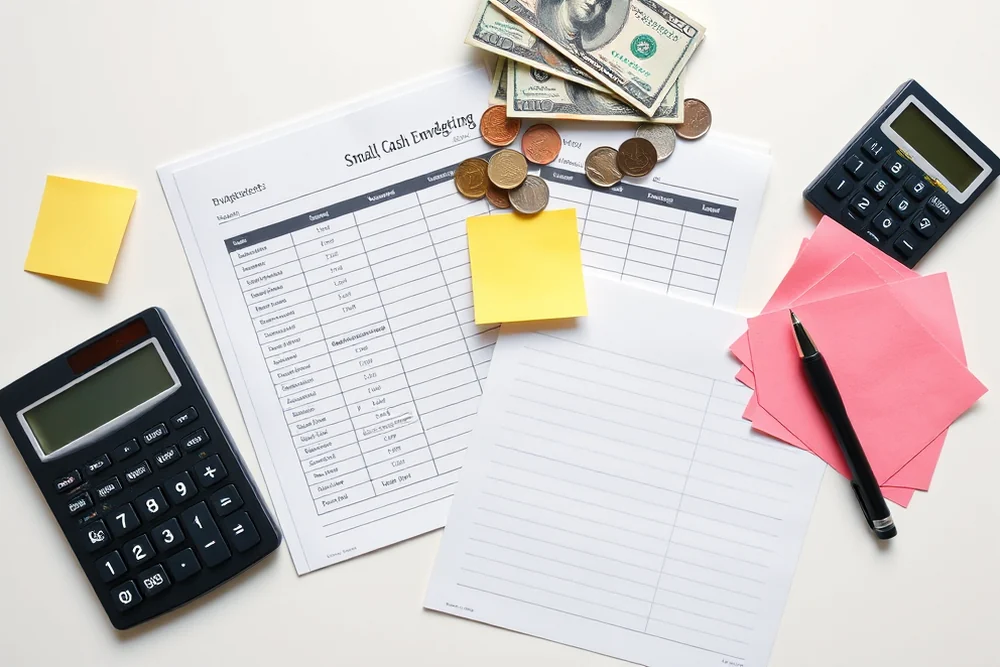
One of the most surprising things I noticed was how much more in control I felt when I used cash envelopes. I didn’t feel like I was being restricted by my budget—I felt like I was making intentional choices. I found that I was more likely to stick to my goals when I could see exactly where my money was going.
Another benefit is that it helps you build financial confidence. I used to feel anxious about my money, but now I know exactly how much I have left in each category. That sense of clarity has made a huge difference in my overall well-being. I’ve even started setting aside some money for savings and investments because I feel more comfortable managing my finances now.
This method also helps you break bad spending habits. I used to be tempted to buy things on impulse, especially when I was stressed or tired. But with cash envelopes, I found that I was less likely to give in to those temptations. I could see the money in my hands, and I knew that once it was gone, I couldn’t get it back.
Making It Work for Your Lifestyle
One of the best things about this method is that it’s highly customizable. If you’re someone who prefers to use a digital budgeting app, you can still use the cash envelope method as a supplement. I’ve found that combining both approaches gives me the best of both worlds—digital tracking for larger expenses and physical envelopes for smaller, everyday purchases.
For people with irregular incomes, like freelancers or gig workers, this method can still be helpful. I used to struggle with budgeting because my income varied from month to month, but now I allocate a little more money in my envelopes to account for fluctuations. This way, I’m always prepared for the unexpected.
Finally, this method works well for families because it can be shared among household members. We have a system where each person has their own envelopes for personal expenses, and we also have a shared envelope for household bills. It’s a great way to stay on the same page financially and ensure that everyone is contributing to the household budget.
⭐ Classic
The original recipe with a perfect balance of chocolate and sweetness.
💰 Budget
Use less sugar and substitute butter with coconut oil to save a few dollars.
⚡ Extra-Fast
Skip the baking step and make a no-bake version with oats and peanut butter.
✨ Depth
Add layers of flavor with a sprinkle of cinnamon or a drizzle of caramel sauce.
🥗 Light
Use almond flour and reduce the sugar content for a healthier alternative.
Small Cash Envelope Budgeting
Common Questions
What if I run out of cash in an envelope before the month is over?
Can I use this method if I have a part-time job or irregular income?
How do I know how much to put in each envelope?
What if I need to use money from one envelope for something else?
References
- Successful Budgeting and Financial Planning for the New Year (dfpi.ca.gov)
- PDF budget_envelopes - Mississippi State University Extension Service (extension.msstate.edu)
- PDF Spending tracker tool - Consumer Financial Protection Bureau (files.consumerfinance.gov)
- PDF Cutting Back and Keeping Up When Money Is Tight (finances.extension.wisc.edu)
- Envelope System - Allen Yarnell Center for Student Success | Montana ... (montana.edu)
Cite this guide
EnvelopeCash (2026). Small Cash Envelope Budgeting. https://envelopecash.com/small-cash-envelope-budgeting/
Feel free to cite or share this guide.