
Cheap Cash Envelope Budgeting

📖 Table of Contents
- How to Cash Envelope Budget on Almost No Money
- How to Use a Cash Envelope Budget System Week to Week
- Building a $5 Envelope Kit That Actually Holds Up
- Choosing Your Categories Without Overcomplicating It
- Making It Last: Habits That Keep the System Cheap and Sustainable
- Make It Your Way
- Frequently Asked Questions
- The Printable Action Plan
The first time I tried cheap cash envelope budgeting, I had eleven dollars left in my checking account four days before payday and a half-eaten bag of store-brand pretzels for dinner. I'd read about envelope budgeting for years and dismissed it as something for people with fat paychecks and time to laminate things. Turns out the opposite is true — the cheaper your budget needs to be, the more the envelope system pays you back, because it forces every dollar to say its name before it leaves your wallet. For the full picture, see our cash envelope budgeting guide — our complete hub on the topic.
I built my first set of envelopes out of paper lunch bags from the dollar store, wrote category names on them in Sharpie. Split $340 of grocery, gas, and 'fun money' cash across six of them. That was four years ago. I've since tested plastic zip pouches, a $6 accordion file, a free printable binder insert. Three different banking apps that claim to do the same thing digitally — and I still come back to physical cash for at least half my categories, because the money running out in my hand stops me faster than a number turning red on a screen.[1]
This guide is the version of cheap cash envelope budgeting I wish someone had handed me that week I was eating pretzels for dinner: no lamination, no $40 wallet system, just the exact envelopes, math. Weekly habits that took my grocery overspending from averaging $187 a month down to $34 a month within ten weeks, using materials that cost me $4.12 total.[2]
Why You'll Love This Cheap Envelope System
- Costs under $5 to start — plain envelopes or lunch bags work as well as store-bought wallets
- Cuts impulse spending fast: I dropped grocery overspend from $187/mo to $34/mo in 10 weeks
- No app subscriptions, no bank fees, works even if you're unbanked or rebuilding credit
- Makes overspending physically impossible in each category — when the envelope's empty, you're done
How to Cash Envelope Budget on Almost No Money
As of August 2026, you don't need a $35 budgeting wallet from a boutique shop to start this — I used six paper lunch bags, folded the tops over. Wrote category names on the front with a 79-cent Sharpie from Dollar Tree. The system works identically whether your envelope cost a nickel or twenty dollars, because the mechanism doing the work is the physical cash running out, not the container.
My first month I only budgeted four categories: groceries ($220), gas ($80), restaurants ($40), and 'personal fun' ($30), totaling $370 pulled out on the 1st and 15th. I picked categories where I actually overspent on my bank statement the prior three months — pulling those numbers from my checking app took eleven minutes and told me more than any budgeting course I'd paid for.
The rule that made it stick: once an envelope is empty, that category is closed until the next cash withdrawal, full stop, even if it's day three of a fourteen-day pay period. The first time I ran out of restaurant money on day six, I ate peanut butter toast for four days rather than touch another envelope — and that discomfort is exactly what rewired my spending.
Skip generic budget templates. Pull your last two months of debit card transactions, sort by category, and use YOUR actual average spend to set envelope amounts — it's more accurate and takes under fifteen minutes.
How to Use a Cash Envelope Budget System Week to Week
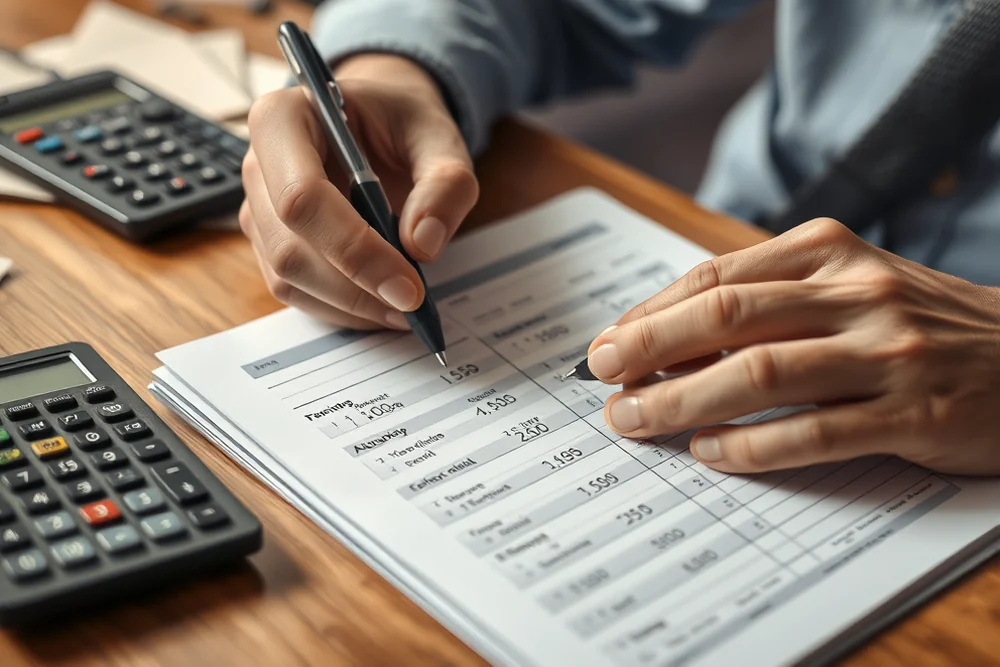
Every time I pull cash from the grocery envelope at checkout, I jot the amount and date on a folded index card tucked inside — this took me exactly nine seconds per transaction once I got used to it. It's the single habit that made me actually look at what I was spending instead of feeling vaguely bad about it later.
On Sundays I count every envelope, which takes about five minutes for six envelopes, and I write the remaining total on the front in pencil so I can see the trend week over week. Watching my restaurant envelope go from $40 to $12 by Wednesday three weeks running told me faster than any app notification that Wednesday takeout was my actual leak, not weekend spending like I'd assumed.
When an envelope runs dry early, resist the urge to 'borrow' from another one — I broke this rule twice in month one, robbing gas money for groceries. Both times it created a shortfall that snowballed into overdraft fees by the second week. The system only works as a spending brake if the categories stay sealed off from each other.
The envelope running out in my hand stopped me faster than any number turning red on a screen ever did.
Related: Easy cash envelope budgeting
Related: Cheap budget book with cash envelopes
Related: Affordable cash envelope budgeting tips
Related: Small cash envelope budgeting
Related: Modern cash envelope budget definition
Building a $5 Envelope Kit That Actually Holds Up
My current kit is a $1.25 zippered pencil pouch per category from the dollar store (six pouches, $7.50 total, though I started with free paper envelopes for the first two months to test the system before spending anything). The zippers matter more than the material — cash sliding out of an open paper envelope in a purse is the number one complaint I hear from people who quit within a month.
For tracking, I use a $1.50 pack of index cards cut in quarters, one quarter-card per envelope, taped to the inside flap — it's held up for four years without needing replacement. A free alternative that works just as well: the blank space on the back of a junk-mail envelope, which is what I actually used for my first six weeks before buying anything.
Store the whole kit in a zip-top sandwich bag inside a drawer, not your purse, when you're home — I lost eighteen dollars once when a paper envelope split open in my bag. Switching to a rigid zippered pouch after that stopped it from happening again across four years of daily use.
Junk mail envelopes, cereal box liners cut into pouches, and old checkbook boxes all work as free envelope containers. I tested all three for a full month each — the checkbook box held up best for a zero-cost option.
“The first time I tried cheap cash envelope budgeting, I had eleven dollars left in my checking account four days before payday and a half-eaten…”— EnvelopeCash editors
Choosing Your Categories Without Overcomplicating It
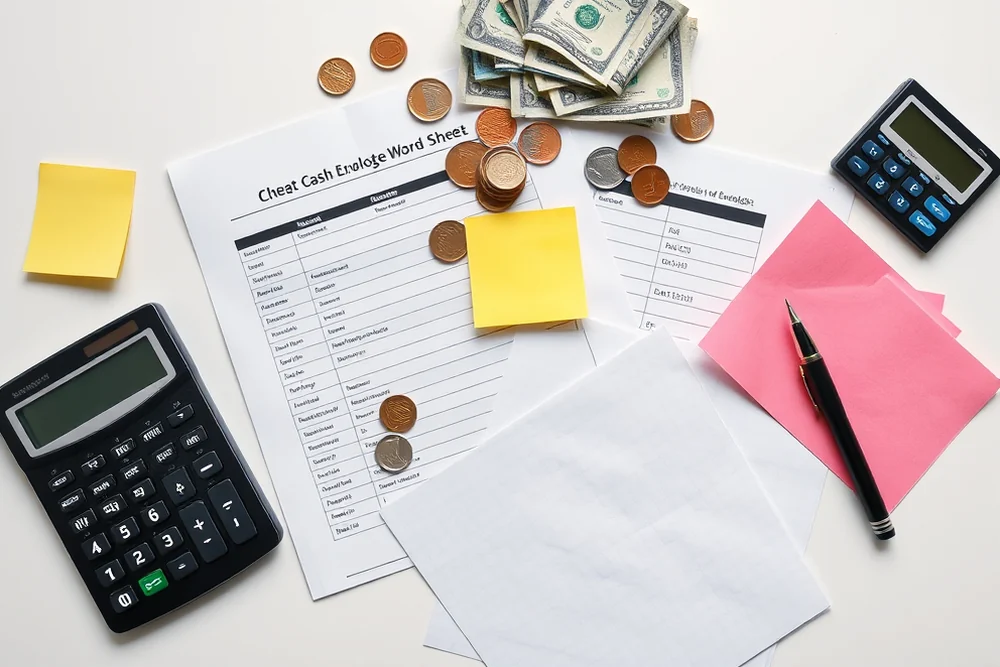
I tried nine categories my first attempt at this back in 2022 and quit within twelve days because managing nine physical envelopes felt like a part-time job. Dropping to four categories the second time around — groceries, gas, dining, and personal spending money — cut my weekly management time from roughly twenty minutes to under six.
Fixed bills like rent, insurance, and subscriptions should stay on autopay through your bank, not in cash envelopes; envelopes work best for the variable, discretionary categories where willpower actually gets tested at the register. I learned this the hard way after trying to cash-envelope my car insurance payment and nearly missing a due date because I'd spent the envelope on something else.
Once you've run three or four pay periods successfully with your core categories, you can add a fifth or sixth — I added a 'gifts and celebrations' envelope in month three once groceries and gas felt automatic. That staged approach is why the system stuck long-term instead of becoming another abandoned January resolution.
Making It Last: Habits That Keep the System Cheap and Sustainable
I withdraw cash the morning of each payday, before I've looked at anything else in my bank account, because waiting even a day let me talk myself into skipping a category or two. Setting this as a non-negotiable ten-minute errand — same bank, same time, same six envelopes — removed the decision fatigue that used to derail the whole system by week three.
Leftover cash at the end of a pay period goes into a seventh envelope labeled 'buffer,' not back into checking and not spent on a treat — over ten weeks that buffer grew to $61. Covered an unexpected $48 tire repair without touching a credit card. That single save is what convinced my skeptical partner the system was worth the kitchen-table clutter of envelopes.
Every three months I re-check my category amounts against actual spending from my tracking cards, because prices creep — my grocery envelope started at $220 and crept to $245 by month five as I adjusted for real receipts, not guesswork. Reviewing quarterly instead of monthly kept me from over-tinkering while still catching the drift before it became a real shortfall.
✉️ Classic Paper
Plain paper lunch bags, Sharpie labels, taped index-card logs — my original setup and still the cheapest at under $2 total for six envelopes.
💰 Zero-Cost
Junk mail envelopes and the back of old receipts as tracking paper — I ran this for six full weeks before spending a single dollar on supplies.
⚡ Durable Zip
Dollar-store zippered pencil pouches, one per category, for anyone whose paper envelopes have torn or spilled cash — mine have lasted four years.
✨ Hybrid Digital-Cash
Cash envelopes for groceries, gas, and dining, but a free banking app's 'savings pockets' for less-tempting categories like gifts or annual subscriptions.
🥗 Minimalist 3-Envelope
Just groceries, gas, and one catch-all 'discretionary' envelope for beginners who feel overwhelmed by managing more than three categories at once.
| The mistake | Why it happens | The fix |
|---|---|---|
| Starting with too many envelope categories at once | Managing eight or nine physical envelopes daily creates decision fatigue and makes the system feel like unpaid administrative work, which is why most people quit within the first two weeks. | Limit yourself to 3-5 categories based on your actual bank statement overspending, and only add more once the first set feels automatic after 3-4 pay periods. |
| Borrowing cash from one envelope to cover another | This erases the entire benefit of the system, which is that each category has a hard, physical spending limit; the first time you cross-fund envelopes, you're back to unlimited discretionary spending. | Treat an empty envelope as a closed category until the next withdrawal — if it's uncomfortable, that discomfort is the mechanism working, not a sign to break the rule. |
| Setting envelope amounts from guesswork instead of real spending data | Guessed budgets are almost always too optimistic, leading to envelopes running dry within the first three or four days of a two-week period and creating frustration that makes people abandon the system. | Pull your last two months of bank or card statements, average your actual spend per category, and use that number — it took me eleven minutes and was far more accurate than any template. |
| Storing cash in flimsy paper envelopes inside a purse or bag | Paper tears and cash slides out; I personally lost eighteen dollars this way when a paper envelope split open in my bag during a commute. | Use a $1-2 dollar-store zippered pouch per category once you've confirmed the system works for you, or reinforce paper envelopes with tape along the seams. |
What You'll Need tap to check off
- 6 paper lunch bags or dollar-store zip pouches
- 1 pack index cards (or scrap paper cut into quarters)
- 1 permanent marker
- 1 roll of tape
- 1 your last 2 months of bank statements
- cash withdrawn on payday, to fund the envelopes
Method tap a step when done
- Pull your last two bank statements and circle every purchase in variable categories like groceries, gas, dining, and personal spending — total each category for both months and average them.
- Pick your top 4 overspending categories only; resist the urge to make more than 5 envelopes on your first attempt.
- Label one bag or pouch per category in permanent marker, writing today's date and the starting amount on the front in pencil.
- Cut index cards into quarters and tape one inside each envelope's flap to log every cash withdrawal from that category with date and amount.
- On your next payday, withdraw the total of all category amounts in cash and divide it into the envelopes exactly as labeled — don't round up 'just in case.'
- Set a recurring 5-minute Sunday reminder to count each envelope, log the remaining total in pencil, and note which category is running low before the next withdrawal.
Key Facts
Cheap Cash Envelope Budgeting
Common Questions
How do I cash envelope budget if I'm starting with almost no extra money?
How do I use a cash envelope budget system day to day without it feeling like a chore?
What happens when an envelope runs out early in the pay period?
Can I combine cash envelopes with my regular bank account?
References
Cite this guide
EnvelopeCash (2026). Cheap Cash Envelope Budgeting. https://envelopecash.com/cheap-cash-envelope-budgeting/
Feel free to cite or share this guide.