Cash Envelope Budgeting Tools Ideas
📖 Table of Contents
I used to track my budget with spreadsheets and apps, but nothing worked until I tried the cash envelope system. It was messy, but it made me see my money in a way I never had before. The idea of dividing cash into envelopes for different expenses felt archaic, but it gave me a tangible way to avoid overspending. I was skeptical, but after a month of using just paper envelopes and a small notebook, I realized I had more control over my finances than I ever had.
The cash envelope method isn’t just about keeping your money in paper. It’s about awareness. When I first started, I didn’t know how much I was spending on coffee, groceries, or entertainment. But after putting cash into labeled envelopes and watching them shrink, it was impossible to ignore. I didn’t need a complex budgeting tool or an app. I just needed real money, real envelopes, and a system that forced me to think before I spent.[1]
Cash envelope budgeting tools ideas aren’t just about the envelopes themselves. They’re about the tools that help you make the system work better for you. Whether it’s using apps to track envelope balances or custom folders to organize your cash, the right tools can make this method easier, faster, and more effective. I’ve tried everything from simple paper envelopes to custom folders and even digital tools that help you manage envelopes remotely. Each one had its place, and each one helped me stay on track.[2]
Why You'll Love This Budgeting System
- It forces you to be aware of your spending in real time.
- It doesn’t require a smartphone or internet access.
- It’s flexible enough to adapt to different income levels.
- It helps you save more by reducing impulse spending.
Getting Started with Cash Envelope Budgeting Tools
As of August 2026, I began by listing all my monthly expenses — rent, groceries, transportation, entertainment, and savings. I assigned a specific amount to each category based on my income and needs. I used old envelopes from work and labeled them with Sharpie, but you can buy custom folders or even use a cash envelope organizer from your local store.
Next, I filled each envelope with the assigned amount of cash. I only used paper money, not coins, because I wanted to track larger expenses like groceries and rent. I kept the envelopes in a drawer, and every time I needed to spend, I took the right envelope and used only the money inside. If I needed more, I had to wait until the next cycle.
I found that using a simple notebook to track each envelope’s balance helped me stay on top of my spending. I’d note how much I used each week and adjust the next cycle if necessary. It was simple, effective, and required almost no cost to set up.
I use a small notebook to track how much money I’ve used in each envelope. It helps me see where I’m overspending and where I can save.
Part of our Cash envelope budgeting tools templates guide.
How to Customize Your Cash Envelope Tools
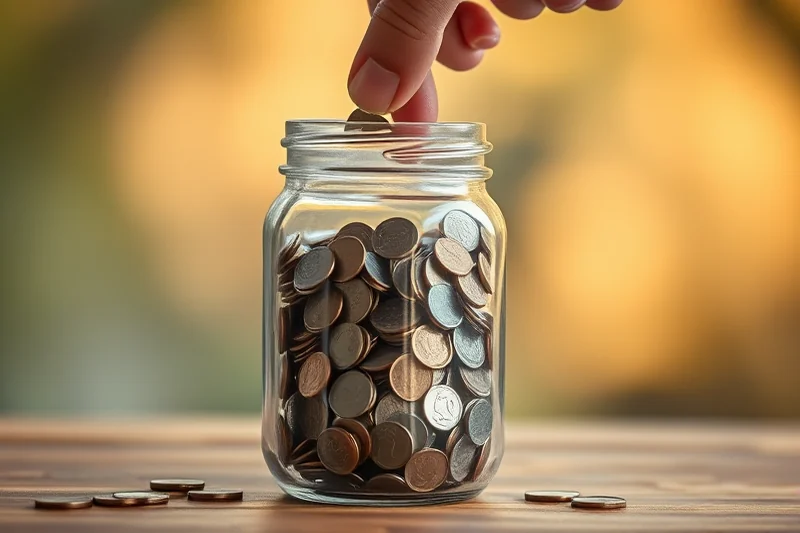
I’ve tried using different tools over the years — from basic paper envelopes to custom folders with Velcro closures. Each tool had its pros and cons. The paper envelopes were cheap and easy to label, but they didn’t last long. The custom folders were more durable but more expensive.
I also used a small box to store all my envelopes. It made it easier to find the right one when I needed money. I labeled the box with the month and kept it in a visible spot in my home so I wouldn’t forget. I found that seeing the envelopes every day kept me more aware of my spending.
Another customization I made was using different colors for different envelopes. For example, I used green for groceries and blue for transportation. It helped me visualize my budget and reminded me of the different categories.
Customizing your tools makes the system work for you, not the other way around.
Related: Best cash envelope budgeting tools templates
Related: Simple cash envelope budgeting tools templates
Related: Best cash envelope budgeting templates
Related: Cash Envelope Budgeting Pitfalls Ideas
Related: Simple Cash Envelope Budgeting Ideas
Related: Diy Cash Envelope Budgeting Tools
Related: Simple Cash Envelope Budgeting Tools
Combining Digital Tools with Physical Envelopes
I’ve used a few budgeting apps that let me track the balances in each envelope. One of my favorites is Mint, which syncs with my checking account and updates my envelope balances automatically. It’s a great way to see how much I’ve used and how much I have left in each category.
Some apps also let you set up alerts when you’re about to exceed your budget. For example, if I had a $200 envelope for groceries and I used $180 in one week, the app would notify me and remind me to save the remaining $20 for the next week. It’s a helpful feature that keeps me in check.[3]
I also use a spreadsheet to track my envelope balances manually. It helps me see where I’m overspending and where I can cut back. I update it weekly and use it to plan my next cycle. It’s a simple way to stay on top of my budget without relying too much on technology.
I use Mint to track my envelope balances. It syncs with my checking account and updates my balances automatically, which helps me stay on top of my spending.
“I used to track my budget with spreadsheets and apps, but nothing worked until I tried the cash envelope system.”— EnvelopeCash editors
Setting Up Your Envelopes for Different Budget Cycles
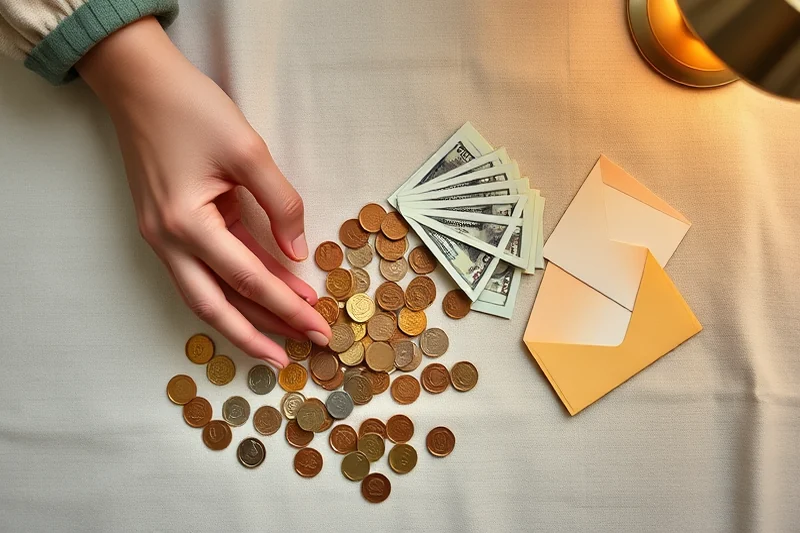
I used to set up my envelopes once a month, but I found that it was too overwhelming. Instead, I started using a weekly cycle. I filled each envelope with a week’s worth of cash and used only that amount. If I needed more, I had to wait until the next week. This helped me stay within my budget and avoid overspending.
I also found that using a monthly cycle worked well for my savings goals. I’d set aside a certain amount for savings and put it into an envelope. I’d only use that money if I had extra cash at the end of the month. It helped me save more without sacrificing my daily expenses.
Another method I tried was a hybrid cycle, where I used weekly envelopes for daily expenses like groceries and transportation, but used monthly envelopes for savings and larger expenses like rent. It gave me more control over my budget and helped me avoid running out of cash before the end of the month.
Adjusting Your Envelopes as Your Needs Change
Over time, my expenses changed. I started working more hours, which meant I had more money to spend. I also started cooking more at home, which meant I needed less money for groceries. I adjusted my envelopes by increasing the amounts for certain categories and decreasing others.
I also found that some categories, like entertainment, required more money than I had originally allocated. I increased the amount in that envelope and used it more frequently. It helped me enjoy my life without overspending.
I also noticed that some envelopes, like the one for transportation, were being used more than expected. I increased that envelope’s amount and started using it more carefully. It helped me stay within my budget and avoid overspending on unnecessary expenses.
💰 Tight Budget
Use minimal tools like paper envelopes and a small notebook. Focus on essential expenses like rent, groceries, and utilities.
🚀 Aggressive Payoff
Use digital apps to track envelope balances and set up alerts when you’re close to exceeding your budget. Allocate more money to savings and debts.
📊 Irregular Income
Use a hybrid cycle, with weekly envelopes for daily expenses and monthly envelopes for savings and larger expenses. Adjust envelopes based on your income.
👫 Couples
Use shared envelopes for joint expenses like rent and utilities, and personal envelopes for individual spending like entertainment and personal care.
🌱 Beginner
Start with simple paper envelopes and a small notebook. Focus on basic expenses like groceries and transportation. Use a budgeting app to track progress.
| The mistake | Why it happens | The fix |
|---|---|---|
| Not adjusting envelopes for changing needs | If you don’t adjust your envelopes for changing needs, you may end up overspending or underspending in certain categories. | Adjust your envelopes every few weeks or when your income or expenses change. |
| Using the wrong type of envelopes | Using the wrong type of envelopes can make the system less effective. For example, using envelopes that are too small or too large can make it hard to track your spending. | Use envelopes that are appropriate for your spending habits. If you spend a lot on groceries, use larger envelopes. |
| Not tracking envelope balances | Not tracking envelope balances can lead to overspending and a lack of awareness about your finances. | Use a notebook or a budgeting app to track your envelope balances and update them regularly. |
| Trying to use too many tools at once | Trying to use too many tools at once can make the system more complicated and harder to manage. | Use a few simple tools that work for your lifestyle, such as paper envelopes and a budgeting app. |
Cash Envelope Budgeting Tools Ideas
Common Questions
Can I use cash envelope budgeting tools if I have a high income?
What if I run out of money in an envelope before the end of the cycle?
Can I use cash envelope budgeting tools with a digital budgeting app?
What if I have irregular income from freelancing or gig work?
References
- Foundations for Strong Families 201 - ASPE.hhs.gov (aspe.hhs.gov)
- HS.PFE.C - Budgeting, Spending and Money Management (oregon.gov)
- Tracking Income/Expenses and Developing a Spending Plan (baycountymi.gov)
Cite this guide
EnvelopeCash (2026). Cash Envelope Budgeting Tools Ideas. https://envelopecash.com/cash-envelope-budgeting-tools-ideas/
Feel free to cite or share this guide.