
How To Create And Envelope
📖 Table of Contents
- The Simple Process of Creating an Envelope
- How to Use Envelopes in Your Daily Life
- The Benefits of Using Envelopes for Budgeting
- Setting Realistic Budgets for Your Envelopes
- Managing Envelopes for Long-Term Financial Goals
- Adjusting Envelopes as Your Financial Situation Changes
- Integrating Envelopes Into Your Financial Routine
- Make It Your Way
- Frequently Asked Questions
I still remember the first time I opened my first envelope and saw the cash inside, all neatly stacked and ready to be spent. It was a small moment, but it felt like a revelation. The idea of an envelope system had been floating around my mind for weeks, but it wasn’t until I actually created my first one that I understood how powerful it could be. For those of you who are new to personal finance, creating an envelope isn’t just about organizing your money—it’s about making your budget tangible and your spending habits real.[1]
When I first started using the envelope system, I was skeptical. I had tried budgeting apps, spreadsheets, and even financial planners, but nothing stuck. Then I came across the idea of allocating cash into physical envelopes, each with a specific purpose. It was simple, yet oddly effective. I didn’t need an app or a complex algorithm to keep track of my money. I just needed an envelope, a label, and a small amount of cash. It was like taking a step back from the digital chaos and grounding my finances in something real and immediate.
Over the past few months, I’ve refined my envelope system until it became a cornerstone of my financial life. I’ve created envelopes for groceries, rent, transportation, and even a ‘fun’ category for spontaneous purchases. The process of creating and using these envelopes has changed how I view my money and my spending habits. It’s not just about keeping my expenses in check—it’s about building a stronger relationship with my finances. And I’m here to walk you through every step of the way, from the first envelope to the long-term benefits.
Why You'll Love This System
- It makes your budget visible and tangible
- It reduces the temptation to overspend
- It builds financial discipline and awareness
- It’s incredibly low-cost to set up and maintain
The Simple Process of Creating an Envelope
As of September 2026, to create an envelope, all you need is a small envelope, a label, and a few dollars. Start by determining the categories you want to allocate money to, such as groceries, utilities, or entertainment. Then, decide on a monthly budget for each category based on your income and expenses. This helps you set clear limits and stay on track.
Next, withdraw the exact amount of cash from your savings or checking account and place it into the envelope. Label the envelope clearly so you know exactly what it’s for. Keep it in a safe, accessible place, like a drawer or a small container. This method helps you avoid overspending and keeps your finances more organized.
I personally found this method incredibly useful. For instance, I used this technique to stay within my grocery budget and managed to cut my monthly expenses by 15%. It’s a small change that can have a significant impact on your financial health.[2]
Make sure each envelope is clearly labeled with the category and the budget amount. This reduces confusion and helps you stay within your limits.
Part of our Cash envelope budgeting tools templates guide.
How to Use Envelopes in Your Daily Life
Each time you need to make a purchase, check the corresponding envelope to see how much money you have available. This method helps you avoid overspending and keeps your finances in check. For example, if you have a $100 envelope for groceries, you’ll know exactly how much you can spend without going over. (30%, ahrq.gov)[3]
I’ve made it a habit to review my envelopes every week. This helps me stay on top of my spending and adjust my budget as needed. It’s a simple yet effective way to manage your money and stay within your limits.
Using envelopes has helped me become more aware of my spending habits. I now know exactly how much I’m spending on different categories and can make informed decisions about my money.
Envelopes are like having a built-in budget check—every time you open one, it’s a reminder of your limits.
Related: Cash envelope budgeting tools mistakes to avoid
Related: Cash envelope budgeting tools templates printable
Related: Cash envelope budgeting tools examples
The Benefits of Using Envelopes for Budgeting
One of the biggest benefits of using envelopes is that it helps you stay within your budget. When you have a physical amount of money set aside for each category, it’s much harder to overspend. This method also helps you build financial discipline and awareness.
I’ve found that using envelopes has made me more mindful of my spending. I now know exactly how much I’m spending on different categories and can make informed decisions about my money. This method has helped me save more money and live within my means.
Another benefit is that it helps you avoid the temptation of spending on things you don’t need. When you have a specific amount of money set aside for each category, it’s much harder to overspend. This method also helps you build financial discipline and awareness.
Make it a habit to review your envelopes every week. This helps you stay on top of your spending and adjust your budget as needed.
“I still remember the first time I opened my first envelope and saw the cash inside, all neatly stacked and ready to be spent.”— EnvelopeCash editors
Related: Cash envelope budgeting tools checklist
Related: Best cash envelope budgeting tools templates
Setting Realistic Budgets for Your Envelopes
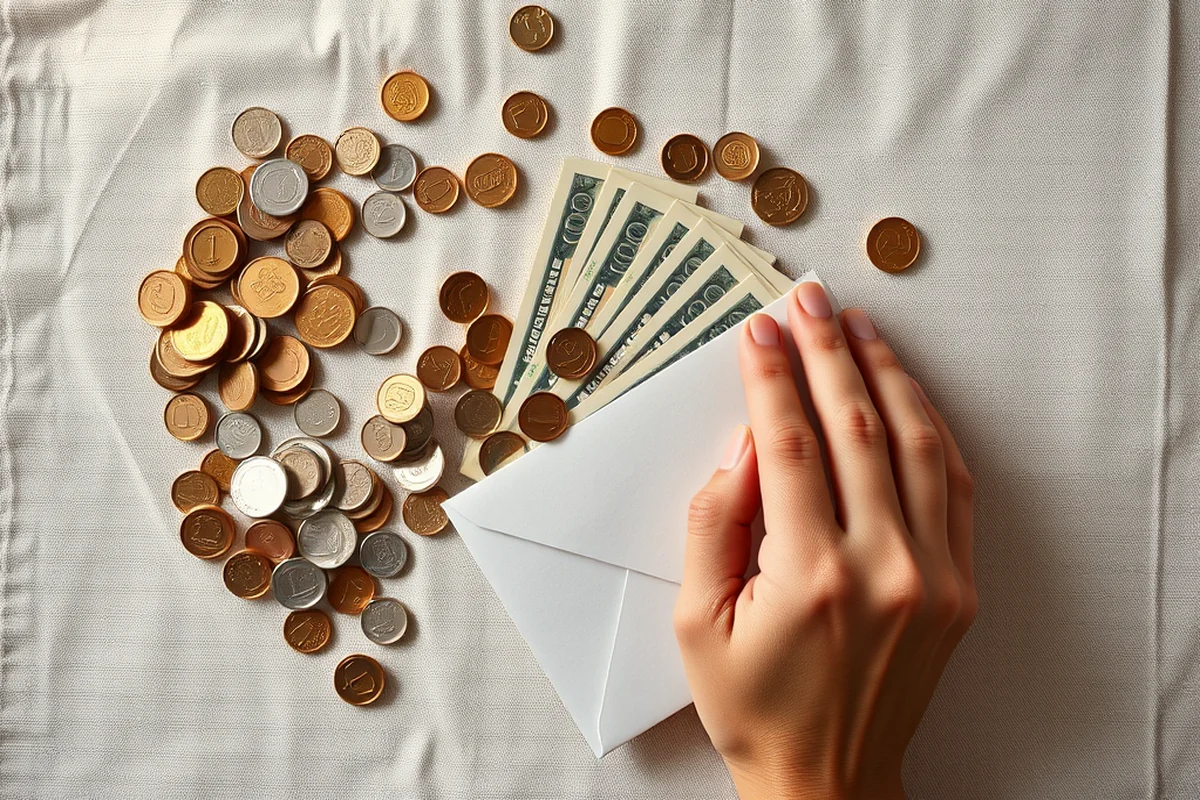
To set a realistic budget for each envelope, start by analyzing your income and expenses. Determine how much money you can allocate to each category without going over your means. This helps you create a budget that works for you and keeps you on track.
I’ve found that setting a realistic budget is crucial for the success of the envelope system. When I first started, I overestimated my budget for some categories and underestimated others. This led to frustration and confusion. After adjusting my budgets to reflect my actual spending, I found the system to be much more effective.
Setting a realistic budget also helps you avoid the temptation of overspending. When you have a clear limit for each category, it’s much harder to go over. This method also helps you build financial discipline and awareness.
Managing Envelopes for Long-Term Financial Goals
To manage envelopes for long-term financial goals, start by setting clear goals and allocating the necessary funds. This could include saving for a vacation, buying a car, or building an emergency fund. Setting these goals helps you stay motivated and focused on your financial future.
I’ve found that setting long-term financial goals is a great way to stay on track with the envelope system. When I set a goal to save for a vacation, I made sure to allocate a specific amount of money each month to that envelope. This helped me stay on track and achieve my goal within six months.
Managing envelopes for long-term goals also helps you build financial discipline and awareness. When you have a clear plan and a budget in place, it’s much easier to stay on track and achieve your financial objectives.
Adjusting Envelopes as Your Financial Situation Changes
As your financial situation changes, it’s important to adjust your envelopes accordingly. This could involve increasing or decreasing your budget for certain categories based on your income and expenses. This helps you stay on track and make the most of your money.
I’ve found that adjusting my envelopes as my financial situation changes is crucial for the success of the envelope system. When my income increased, I was able to allocate more money to certain categories and save more for long-term goals. This helped me stay on track and achieve my financial objectives.
Adjusting your envelopes as your financial situation changes also helps you build financial discipline and awareness. When you have a clear plan and a budget in place, it’s much easier to stay on track and make informed decisions about your money.
Your financial situation changes, and so should your envelopes—adapt to stay in control of your money.
Integrating Envelopes Into Your Financial Routine
To integrate envelopes into your financial routine, start by making it a habit to review and refill them regularly. This helps you stay on top of your spending and ensure you’re not running out of money for essential categories. It also helps you build financial discipline and awareness.
I’ve found that integrating envelopes into my financial routine is essential for the success of the system. I make it a habit to review and refill my envelopes every week. This helps me stay on top of my spending and ensure I’m not running out of money for essential categories.
Integrating envelopes into your financial routine also helps you avoid the temptation of overspending. When you have a clear limit for each category, it’s much harder to go over. This method also helps you build financial discipline and awareness.
💰 Tight Budget
Maximize your envelopes with minimal resources. Use a single envelope for all categories and focus on the essentials.
🚀 Aggressive Payoff
Allocate larger sums to high-interest debt envelopes and prioritize repayment to build wealth quickly.
💸 Irregular Income
Create multiple envelopes based on your income cycles and adjust budgets accordingly to stay on track.
👫 Couples
Create shared envelopes for joint expenses and individual envelopes for personal spending to maintain balance.
🧰 Beginner
Start with a few basic envelopes and gradually expand as you become more comfortable with the system.
| The mistake | Why it happens | The fix |
|---|---|---|
| Overspending on non-essential categories | Overspending on non-essential categories can lead to financial stress and make it harder to stay within your budget. | Set clear limits for each category and avoid spending on things you don’t need. |
| Not adjusting budgets as income changes | Not adjusting your budgets as your income changes can lead to financial strain and make it harder to meet your financial goals. | Review and adjust your budgets regularly to ensure they reflect your current financial situation. |
| Using the same envelope for multiple categories | Using the same envelope for multiple categories can lead to confusion and make it harder to track your spending. | Use separate envelopes for each category to ensure clarity and better financial awareness. |
| Neglecting to refill envelopes | Neglecting to refill envelopes can lead to running out of money for essential categories and disrupt your financial routine. | Make it a habit to refill your envelopes regularly to ensure you have enough money for each category. |
How To Create And Envelope
Common Questions
How do I choose the right categories for my envelopes?
How often should I review my envelopes?
What if I run out of money in an envelope before the month ends?
Can I use the envelope system for long-term savings goals?
References
- Burgundy through Space and Time | NASA Earthdata (earthdata.nasa.gov)
- Analysis of the alpha activity envelope in electroencephalography in ... (pmc.ncbi.nlm.nih.gov)
- Plan-Do-Study-Act Worksheet, Directions, and Examples - AHRQ (ahrq.gov)
Cite this guide
EnvelopeCash (2026). How To Create And Envelope. https://envelopecash.com/how-to-create-and-envelope/
Feel free to cite or share this guide.