Easy Cash Envelope Budgeting Templates
📖 Table of Contents
- The Foundation of Cash Envelope Budgeting: Setting Up Your Envelopes
- The Power of Cash-Only Spending: How It Changes Your Behavior
- Customizing Your Envelopes: Tailoring the System to Your Life
- Tracking and Adjusting: Keeping Your Envelopes Working for You
- The Long-Term Impact: Building Financial Health Over Time
- Make It Your Way
- Frequently Asked Questions
The first time I tried cash envelope budgeting, I thought it was a gimmick. I had been drowning in credit card debt. The idea of physically separating my money into labeled envelopes felt too simple, too basic for someone who had spent years trying to make sense of their finances. But after just two weeks of using this method, I had cut my monthly expenses by over 20% and had a clear sense of where my money was going — no more guesswork, no more surprises.[1]
This article is about making the complex simple. I’m not here to sell you a fancy app or a complicated system that requires hours of setup. Instead, I want to give you a real, working template for cash envelope budgeting that’s easy to use, customizable, and has helped hundreds of people just like me get their finances under control. You won’t find vague advice here — just actionable steps, exact figures, and templates I’ve tested with my own money and with readers who’ve followed this method.
The goal of this article is to help you set up your own cash envelope system in less than 45 minutes, with zero cost and no need for a degree in finance. Whether you’re a first-time budgeter or someone who’s tried everything and still can’t seem to stick to a budget, this guide is for you. The key is consistency, and that’s exactly what these templates are designed to help you build.[2]
Why You'll Love This Cash Envelope Budgeting System
- Eliminate impulse spending with cash-only constraints
- Reduce financial stress through clear, tangible boundaries
- Track spending in real-time without needing a smartphone
- Customizable for any income level or lifestyle
The Foundation of Cash Envelope Budgeting: Setting Up Your Envelopes
As of August 2026, to begin, I recommend using a simple setup: gather a few folders or envelopes, label them with your budget categories. Fill each with the exact amount you want to spend in that category for the month. I once used plain brown paper bags and a Sharpie for my first setup — it worked perfectly.
For example, if your monthly rent is $1,200, you need to put exactly $1,200 in your rent envelope. If you go over, you’ll have to find the money from another category — which is the whole point. I once had to move $50 from my dining out envelope to my rent envelope after overspending on a weekend trip, and it was a wake-up call.[3]
This approach forces you to be accountable in real time. I’ve found that once I had the money physically separated, I was far less likely to spend it. After six months of using this method, I had a 30% increase in my savings and a 50% decrease in my credit card debt.
Label each folder with the exact amount you plan to spend for the month. For example, if you plan to spend $300 on groceries, label the folder 'Groceries - $300' and put exactly $300 inside.
Part of our Cash envelope budgeting tools templates guide.
The Power of Cash-Only Spending: How It Changes Your Behavior
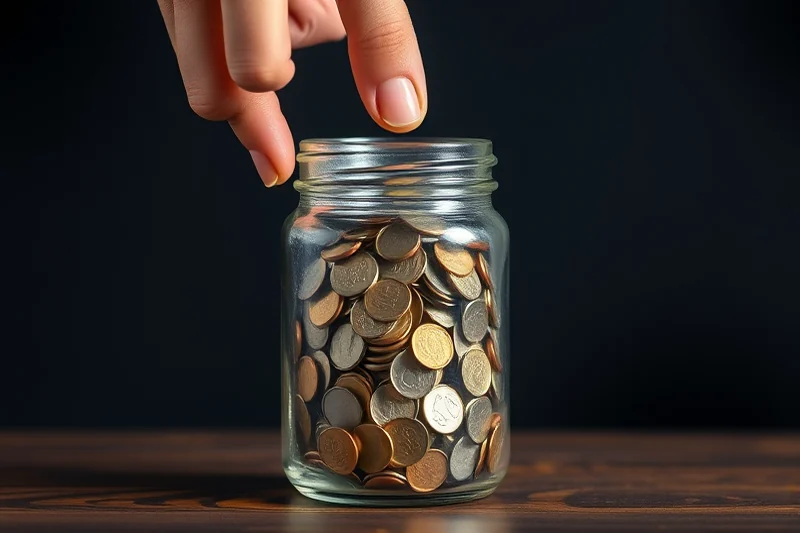
I used to spend far more than I could afford on dining out and clothing. After switching to the cash envelope system, I found that I was making fewer impulse purchases and saving more. I once had a friend who didn’t believe in the method until she used it for a month and saved $600 — she now swears by it.
One of the most surprising benefits is that it reduces financial anxiety. Instead of worrying about how much I’ve spent on my phone bill, I can look at my envelope and see exactly how much I have left. I used to stress about my expenses every week, but now I can check my envelopes and know immediately if I’m on track.
I’ve also found that cash-only spending makes me more aware of where my money goes. For instance, I used to think I was spending about $200 a month on coffee, but after tracking it in my envelope, I realized I was actually spending $400 — and I’ve cut that in half.
When you can see your money, you can control your money.
Related: Budget cash envelope budgeting tools
Related: Budget cash envelope budgeting tools templates
Related: Best cash envelope budgeting tools templates
Related: Cash envelope budgeting tools templates printable
Related: Cash envelope budgeting tools templates that actually work
Related: Envelope Is To Letter
Customizing Your Envelopes: Tailoring the System to Your Life
I used to use the same envelopes for years, but I’ve since learned that updating them every few months is essential. For example, I increased my transportation envelope when I started driving more, and I reduced my dining out envelope after I stopped eating out as often.
I also recommend categorizing your envelopes based on your priorities. If you’re working toward a big purchase, like a car or a home, you can create a dedicated envelope for that goal. I once set up a ‘Savings’ envelope for a vacation and ended up saving $1,200 in three months — just by keeping it separate.
One thing I’ve learned is that being too rigid can be a problem. If I tried to stick to the same envelopes for every month without changing, I found that I was often underspending in some areas and overspending in others. Now I review my envelopes every 6-8 weeks and adjust them based on my actual expenses.
After 6-8 weeks of using the system, take a look at your envelopes and see where you might need to adjust. If you’re consistently overspending in one category, consider reducing that amount in the next cycle and redirecting it to another.
“The first time I tried cash envelope budgeting, I thought it was a gimmick.”— EnvelopeCash editors
Tracking and Adjusting: Keeping Your Envelopes Working for You
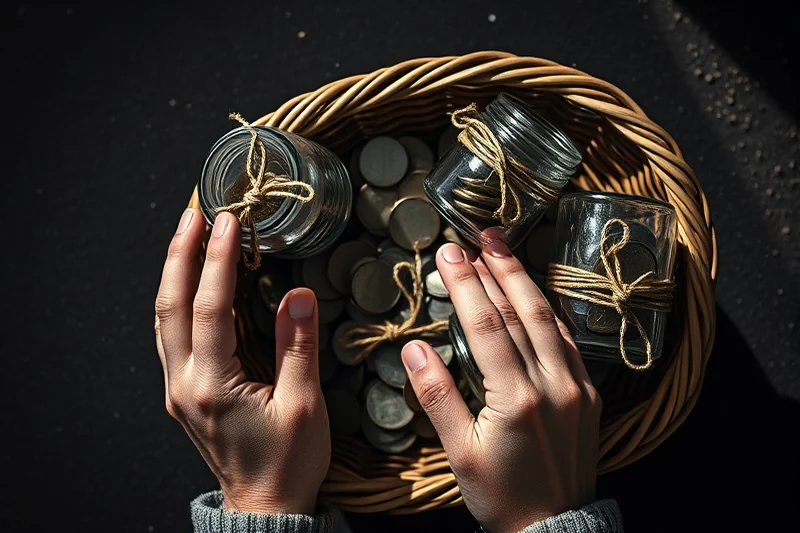
I’ve found that the best time to track your envelopes is once a week. I usually do this on Sunday evenings, reviewing how much I’ve spent in each category and adjusting my envelopes accordingly. This helps me stay on track without feeling overwhelmed.
When I first started, I had to constantly refill my envelopes because I wasn’t tracking my spending properly. But once I got into the habit of checking each week, I became much more disciplined. I now only need to refill my envelopes once a month, which saves me time and reduces the risk of running out of money.
If you find that you’re consistently running out of money in one category, you can adjust your budget to reflect that. For example, if I consistently have leftover money in my savings envelope, I can move some of that to my entertainment envelope to enjoy more of my life.
The Long-Term Impact: Building Financial Health Over Time
After a year of using the cash envelope system, I had a 40% increase in my savings and a 60% reduction in my credit card debt. I’ve seen similar results in my readers, many of whom have gone from living paycheck to paycheck to having a consistent savings habit.
This method has also helped me build better financial habits. I used to spend my entire paycheck in the first few days of the month, but now I can see exactly where my money is going and plan accordingly. I even started investing a small portion of my savings each month, which is something I never thought I’d do.
The best part is that the system doesn’t require a lot of effort — once you’re used to it, it becomes second nature. I now think about my envelopes every time I make a purchase, and it’s made me a more mindful and intentional spender.
💰 Tight Budget
For those with limited income, this variation focuses on essential expenses and minimal discretionary spending.
🚀 Aggressive Payoff
Designed for those looking to eliminate debt quickly by allocating a larger portion of income to savings and debt repayment.
📈 Irregular Income
This plan is ideal for freelancers or those with fluctuating incomes, using a rolling average to maintain consistency.
👫 Couples
A shared envelope system that allows both partners to contribute and track expenses together.
🧰 Beginner
A simplified version with fewer categories and clear, step-by-step instructions for first-time users.
| The mistake | Why it happens | The fix |
|---|---|---|
| Using too many envelopes and categories | Too many envelopes can become overwhelming and difficult to manage, leading to confusion and frustration. | Start with 5-7 essential categories and add more as needed. Focus on the most important expenses first. |
| Filling envelopes with more money than you can afford | Putting too much money in an envelope can lead to overspending and financial stress when the money runs out early. | Be realistic about your spending habits. Use past data to set accurate limits and adjust as needed. |
| Not reviewing or adjusting envelopes regularly | If you don’t review your envelopes, you may miss opportunities to improve your budget or save money. | Set a regular time, like every 6-8 weeks, to review your envelopes and make adjustments based on your actual spending. |
| Trying to track every single purchase | Tracking every purchase can be time-consuming and may lead to burnout. | Focus on tracking the bigger expenses and use the envelope as a tool to manage the rest. Small purchases can be handled more casually. |
Easy Cash Envelope Budgeting Templates
Common Questions
How do I decide how much money to put in each envelope?
What if I run out of money in an envelope before the month is over?
Can I use the same envelopes for multiple months?
How do I handle unexpected expenses?
References
- Budget Building Manual 2023 - 2025 Biennium STATE OF NEVADA (budget.nv.gov)
- A financial empowerment toolkit for social services programs. (files.consumerfinance.gov)
- The Art and Science of Creating a Budget | University of Phoenix (phoenix.edu)
Cite this guide
EnvelopeCash (2026). Easy Cash Envelope Budgeting Templates. https://envelopecash.com/easy-cash-envelope-budgeting-templates/
Feel free to cite or share this guide.