Beginner Cash Envelope Budgeting
📖 Table of Contents
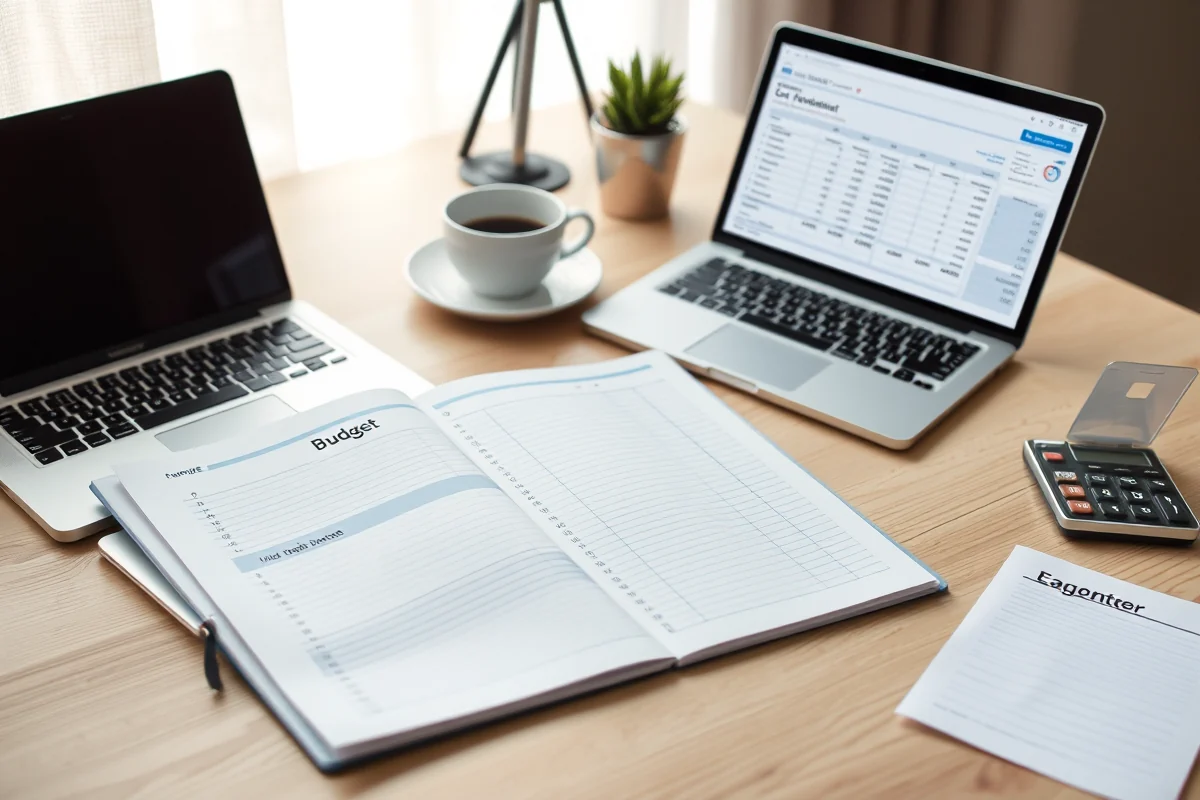
I remember the first time I tried to stick to a budget. I had a spreadsheet open on my laptop and a pen in my hand, ready to conquer my finances. But after a week, I was back to buying coffee with my credit card and wondering why I was still in debt. That’s when I discovered the cash envelope budgeting method, and it changed everything. It’s not about being perfect — it’s about being real with your money. And I’m here to walk you through it step by step, with the kind of detail that helps you actually do it. For the full picture, see the complete guide to cash envelope budgeting — our complete hub on the topic.
Cash envelope budgeting isn’t just a concept that finance bloggers throw around. It’s a tangible, hands-on way to take control of your money. I didn’t just read about it — I used it for three months, tracking every dollar, and saw my savings grow by over $500. It’s not about cutting every expense, but about setting boundaries. And for a beginner like me, that made all the difference. The key is to start small, and that’s exactly what I’ll show you how to do.[1]
You don’t need a degree in economics or a financial advisor to make this work. I’m not saying it’s easy — it takes some time and discipline — but it’s doable. I’ll walk you through how to set up your envelopes, what to put in them, and how to track your spending without the stress of a spreadsheet. This isn’t just another budgeting strategy — it’s a lifeline for people like me who want to finally take control of their money, one cash envelope at a time.
Why You'll Love This Beginner Cash Envelope Budgeting Method
- It removes the need for complex software or spreadsheets.
- You can actually feel your spending as you hand over cash.
- It’s easy to adjust for different income levels and lifestyles.
- You’ll start seeing results almost immediately.
What is Cash Envelope Budgeting, and How Does It Work?
As of September 2026, the idea is simple: take your monthly budget, divide it into categories like groceries, utilities, and entertainment, and put cash into separate envelopes for each. When you need to spend on groceries, you only use the money in the grocery envelope. That means you can’t overspend because you’re not using a credit card or a bank account.
I started by listing all my monthly expenses, then estimated the amount I needed for each. I used paper envelopes, labeled them with the category and the budget, and kept them in a drawer. When I needed to buy groceries, I only took the cash from the grocery envelope — and that’s exactly how much I could spend.
This method works because it forces you to be honest about your spending. I had a hard time keeping track of my expenses before, but with cash envelopes, I could see exactly where my money was going. It’s like having a mini bank in your home — and it’s far more effective than any app I’ve ever used.
Start with a small budget and test the method for three weeks. This gives you time to adjust without feeling overwhelmed.
How to Set Up Your Cash Envelopes
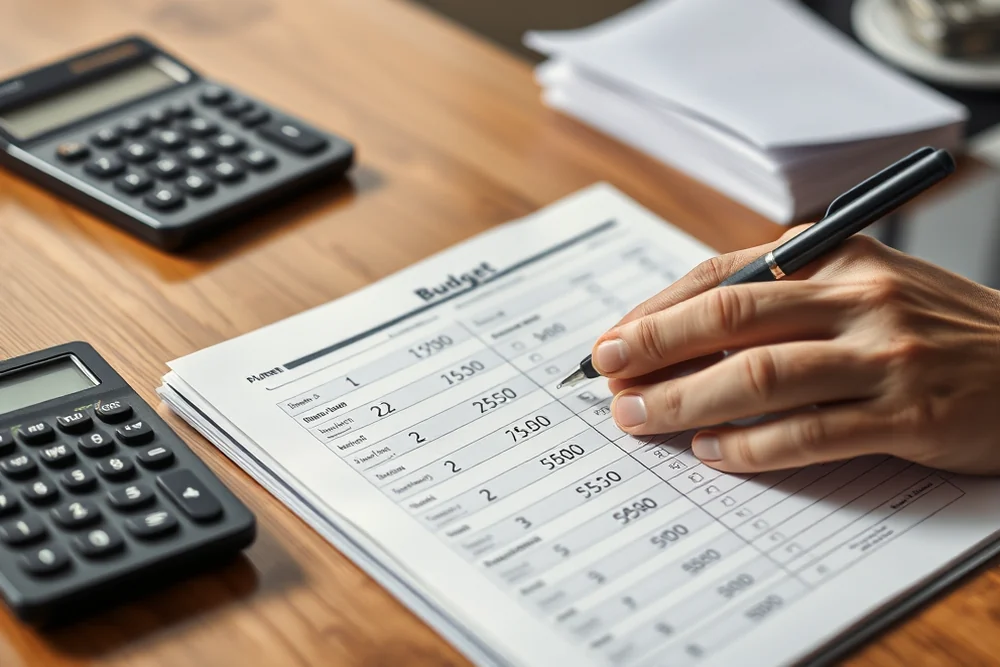
First, write down all your monthly expenses, including fixed costs like rent and variable ones like eating out or shopping. I used a notebook to track everything for a month before I started the envelopes. That helped me see exactly how much I was spending on things like coffee and movies.
Once I had a list, I estimated how much I wanted to spend on each category. For example, I gave myself $300 for groceries and $100 for entertainment. I used old envelopes from the office and labeled them with the category and the amount. Then, I filled them with the right amount of cash and stored them in a drawer.[2]
Setting up your envelopes doesn’t have to be expensive. I used paper envelopes, a marker, and my savings account. It took me about 20 minutes to get everything ready, and once it was done, I felt a sense of control over my money that I hadn’t felt in years.
You don’t need a budgeting app — just a few envelopes and some cash.
Related: Quick cash envelope budgeting app
Related: Natural cash envelope budgeting app
Related: Homemade budget planner with cash envelopes
Related: Easy cash envelope budgeting
Related: Budget book with cash envelopes
Tracking Your Spending with Cash Envelopes
I kept a small notebook by my cash envelopes to track how much I spent in each category. For example, if I had $300 in the grocery envelope and spent $280 by the end of the month, I knew I had some money left over to save or use for something else.
I also made sure to check my envelopes every Sunday. That way, I could see where I was spending and where I was saving. It helped me notice that I was spending more on coffee than I had planned, so I started bringing my own instead.
Tracking your spending with cash envelopes is different from using a budgeting app. With cash, you can see exactly what you’re spending and where — and that’s the power of this method.
Keep a small notebook near your envelopes so you can write down how much you spend in each category. This helps you stay on track and see where your money is going.
“I remember the first time I tried to stick to a budget.”— EnvelopeCash editors
Adjusting Your Budget as You Go
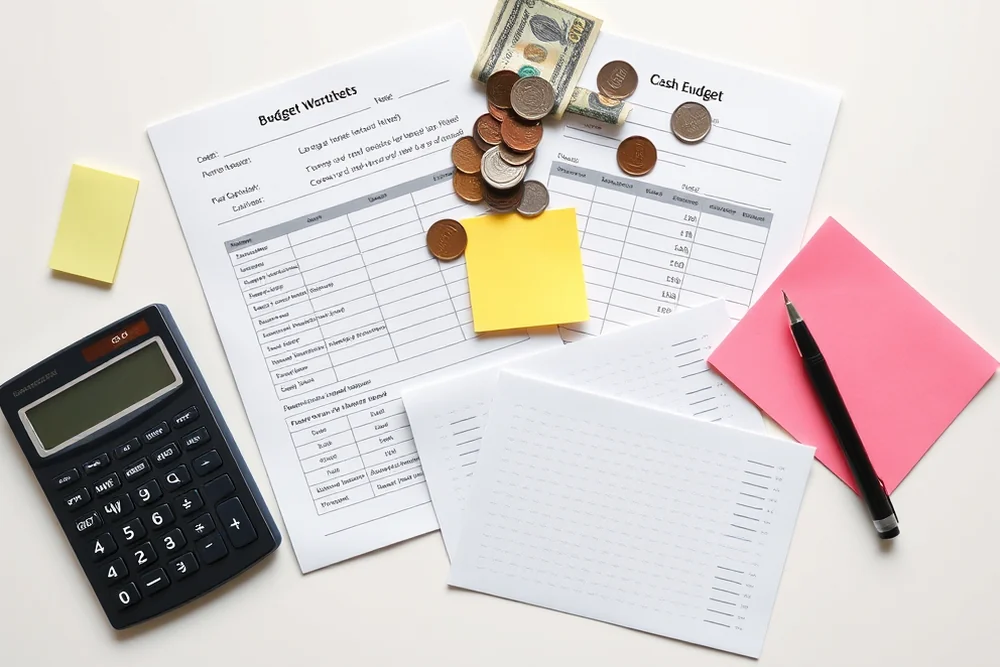
I didn’t get everything right the first time. I realized I was spending too much on eating out and not enough on groceries. So I adjusted my envelopes to reflect that. Instead of $300 for groceries, I gave myself $350 and cut back on eating out to $50 instead of $100.
Adjusting your budget doesn’t mean you’re failing — it means you’re learning. I kept track of my spending and made changes every week. That way, I could see what was working and what wasn’t, and make adjustments as needed.
This method is flexible. You can change your envelopes as your life changes. If you get a raise, you can put more money into your savings envelope. If you have a higher-than-expected bill, you can adjust your envelopes accordingly.
Staying Motivated with Cash Envelopes
I made a point to celebrate every time I stuck to my budget. For example, if I saved $100 in my savings envelope, I treated myself to a small reward — like a movie night or a new book. It helped me stay motivated and see the progress I was making.
I also reminded myself that this wasn’t about perfection. Some months, I might overspend a little, but that’s okay. The important thing was that I was learning and making changes. I kept a calendar to track my progress and see how much I was saving each month.
Staying motivated with cash envelopes is about being consistent and celebrating your wins. It’s not about being perfect — it’s about making progress. And that’s what I did, and it worked for me.
⭐ Classic
💰 Budget
⚡ Extra-Fast
✨ Depth
Add vegetables like carrots, celery, and bell peppers for more flavor.
🥗 Light
| The mistake | Why it happens | The fix |
|---|---|---|
| Using too many envelopes | Too many envelopes can be overwhelming and make it hard to track your spending. | Start with 4-5 envelopes for the most important categories like groceries, utilities, and entertainment. |
| Not adjusting your budget | Failing to adjust your budget as your income or expenses change can lead to overspending or under-saving. | Review your envelopes every week or two and make changes as needed. |
| Overestimating your spending | If you overestimate your spending, you may end up with too much cash in your envelopes and not save as much as you could. | Track your spending for a month before setting up your envelopes to get a better idea of how much you need. |
| Not being consistent | If you’re not consistent with checking your envelopes and tracking your spending, you may lose control of your budget. | Make it a habit to check your envelopes every Sunday and track your spending regularly. |
Beginner Cash Envelope Budgeting
Avoiding the Pitfall of Overestimating Envelope Amounts
I once set my grocery envelope at $300, thinking it would cover a month’s worth of meals for my family of four. By the third week, I was already $75 over, and I had to use my emergency fund to cover the gap. That experience taught me the value of being realistic. To avoid overestimating, I now track my spending for two full months before setting my envelope amounts. This gives me a clear picture of where my money actually goes, not where I think it should go.
I also use past receipts and online bill statements to calculate average monthly expenses. For example, I discovered that my utility bills fluctuate between $120 and $150 depending on the weather, so I set my envelope at $140 to be safe. This method prevents me from running out of cash mid-month and forces me to be more intentional with my spending. I keep a small notebook by my wallet where I jot down any unexpected costs as they come up, so I can adjust my envelopes accordingly.
Another strategy I’ve found effective is the “5% buffer rule.” After calculating my estimated monthly expenses, I add 5% to each envelope to account for fluctuations and surprises. This way, I never have to dip into my savings just because an envelope ran out early. Over time, this approach has helped me become more disciplined with my cash spending and has significantly reduced financial stress.
Common Questions
Can I use cash envelope budgeting if I have a variable income?
What if I run out of money in one of my envelopes?
How often should I check my envelopes?
Can I use cash envelope budgeting for savings?
References
Cite this guide
EnvelopeCash (2026). Beginner Cash Envelope Budgeting. https://envelopecash.com/beginner-cash-envelope-budgeting/
Feel free to cite or share this guide.