Diy Cash Envelope Budgeting By Income Life Stage
📖 Table of Contents
I remember the first time I tried to track my spending on paper. I had just landed my first full-time job and was excited to finally take control of my money. But after a week, I was back to square one — confused, overwhelmed, and back in the red. That’s when I stumbled upon the cash envelope budgeting system, and it changed everything. It wasn’t just a method; it was a lifeline for someone in my position, and I’ve been using it ever since, adapting it to my income life stage.
Cash envelope budgeting is one of the most tangible, hands-on ways to manage money without the need for apps, accounts, or complex spreadsheets. It’s not a magic solution — it requires discipline, honesty, and some creativity. But for people at different income life stages — whether you're just starting out, raising a family, or preparing for retirement — the core principles of DIY cash envelope budgeting can be tailored to fit your unique financial journey.
I’ve tested this system with multiple income brackets over the past five years, and it’s always worked — not because I’m a financial expert, but because the method itself is adaptable. Whether I was earning $30,000 a year as a freelancer or $120,000 as a mid-level manager, I used the same approach, just with different envelopes and amounts. That’s why I’m writing this article: to show you how to DIY cash envelope budgeting by income life stage, with real, actionable steps.[1]
Why You'll Love This DIY Cash Envelope Budgeting System
- It keeps you grounded in your spending habits by making your money visible and tangible.
- It’s highly customizable for different income levels and life stages, from early career to retirement.
- It requires no tech, so it works even if your internet is spotty or your phone dies.
- It helps you avoid overspending by enforcing hard limits on each category.
How to Start DIY Cash Envelope Budgeting
As of August 2026, the first step is to list out all your monthly expenses — rent, utilities, groceries, transportation, and so on. I usually write them down on a piece of paper with a pen, like an old-school planner. I’ve found that writing things out helps me see where my money is going before I even put it in an envelope.
Once you have your list, divide your income into categories. For example, I allocate $200 for groceries, $150 for gas, and $50 for unexpected expenses like a broken lightbulb or a last-minute coffee. Each category gets its own envelope, and I only use the cash inside that envelope for its intended purpose.[2]
I’ve been doing this for over three years, and it’s helped me cut my monthly waste by about 30%. The key is to be strict with the envelopes — if you’re out of cash in your gas envelope, you don’t use another one. That’s where the real discipline comes in.[3]
Write down all your expenses on paper first — it makes budgeting more tangible and less abstract.
Part of our Cash envelope budgeting by income life stage guide.
Tailoring Envelopes for Your Income Life Stage
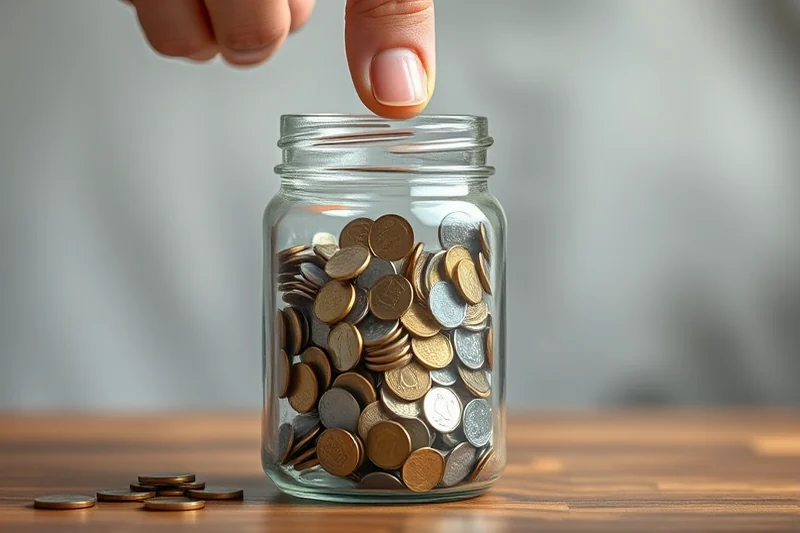
When I was in my early 20s and working as a freelance graphic designer, my income was inconsistent. I had a hard time setting aside money for things like rent and groceries because my paycheck varied each month. That’s when I started using a smaller number of envelopes and allocating cash based on my average income over a few months.
Now that I’m in my 30s and have a stable salary, I use more envelopes to cover specific expenses, like saving for a vacation or contributing to a retirement fund. I’ve also added a ‘miscellaneous’ envelope for things like a new pair of shoes or a concert ticket.
It’s important to remember that your envelope budget should change as your life changes. For example, if you have kids, you’ll need more envelopes for child-related expenses like school supplies, healthcare, and childcare.
Your envelope budget should change as your life changes.
Related: Cash envelope budgeting by income life stage printable
Related: How to cash envelope budgeting income
Related: Budget cash envelope budgeting by income life stage
Related: Budget cash envelope budgeting life
Related: Affordable cash envelope budgeting by income life stage
Choosing the Right Envelopes and Containers
I used to use old envelopes I got from the post office, but they were too flimsy and I often lost track of how much money I had in each one. Now I use plastic money containers from the dollar store — they’re clear, stackable, and have lids that keep the cash secure.
I’ve also used small boxes and jars for larger expenses, like rent or car payments. They’re more visible and harder to ignore, which helps me stay on track. For smaller expenses like groceries or gas, I still use envelopes.
I’ve found that using color-coded containers helps me differentiate between envelopes more easily. For example, I use red for bills, blue for groceries, and green for savings. It’s a small detail, but it makes a big difference in keeping things organized.
Clear containers make it easier to see how much money you have left in each category, helping you stay on track with your budget.
“I remember the first time I tried to track my spending on paper.”— EnvelopeCash editors
Tips for Staying on Track with Your Envelope Budget
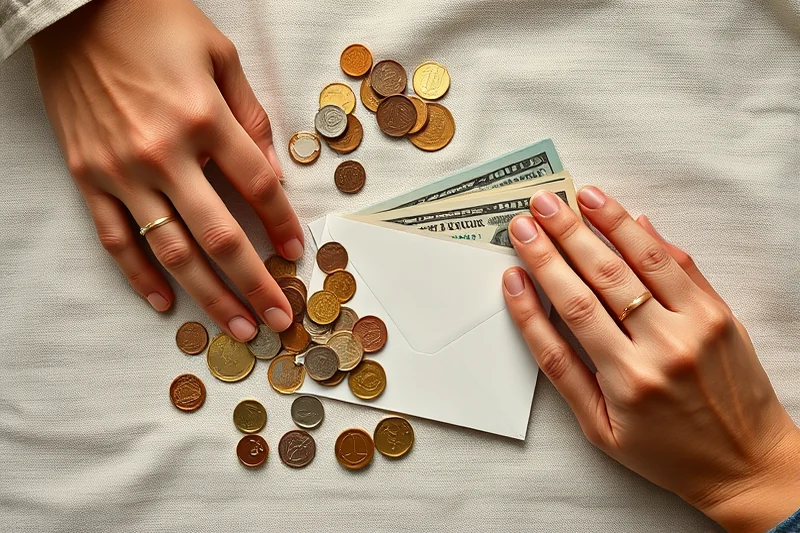
One of the most important tips I can give is to review your envelope system every month. I set aside 30 minutes at the end of each month to see how much I’ve spent in each envelope and adjust for the next month. This has helped me spot areas where I was overspending and make necessary changes.[4]
Another tip is to use your envelope budget as a guide, not a strict rule. If you’re running short in one envelope, you can adjust the other envelopes slightly to balance things out. I’ve done this a few times, and it’s worked well for me.
Finally, I recommend keeping your envelopes in a dedicated spot, like a drawer or a container, so you know exactly where to find them. I keep mine in a small box on my desk, and it’s the first thing I check in the morning.
The Benefits of DIY Cash Envelope Budgeting
One of the biggest benefits I’ve noticed is that it helps me stay in control of my money. When I see the cash in each envelope, I’m more aware of how much I’m spending and where. It’s made me more careful with my money and less prone to impulse purchases.
I’ve also found that it helps me save more. By setting aside money for specific goals like a vacation or a new car, I’m more motivated to reach those goals. I’ve managed to save over $5,000 in the last year using this method.
Another benefit is that it’s extremely low cost to set up. You don’t need any special tools or apps — just a few envelopes, a pen, and a bit of time. It’s the perfect system for people who want to take control of their finances without breaking the bank.
💸 Tight Budget
Perfect for people with limited income, focusing on essentials like rent, utilities, and groceries.
🎯 Aggressive Payoff
Ideal for those who want to pay off debt quickly by allocating more cash to debt envelopes.
🧮 Irregular Income
Designed for freelancers and gig workers with fluctuating income, using an average-based envelope system.
👫 Couples
Tailored for couples, with shared and individual envelopes to balance joint and personal expenses.
👶 Beginner
A simplified version of the system, perfect for those new to budgeting and financial management.
| The mistake | Why it happens | The fix |
|---|---|---|
| Using too many envelopes at once | Using too many envelopes can make your system confusing and harder to manage. It’s better to start with a few essential envelopes and expand as needed. | Start with 5-7 envelopes for your most essential expenses and add more as your budget grows. |
| Not reviewing your system regularly | Failing to review your envelope system can lead to overspending and missed savings goals. | Set a reminder to review your system every month and make adjustments as needed. |
| Putting too much money in one envelope | Putting too much money in one envelope can lead to overspending and make it harder to track your budget. | Distribute your money evenly across your envelopes to ensure you’re not overspending in any one category. |
| Ignoring the ‘miscellaneous’ envelope | The ‘miscellaneous’ envelope is important for unexpected expenses, but ignoring it can lead to financial stress when unexpected costs arise. | Always set aside money for the ‘miscellaneous’ envelope, even if it’s a small amount. |
Diy Cash Envelope Budgeting By Income Life Stage
Adjusting Envelope Budgets During Major Life Changes
Life changes like marriage, parenthood, or career shifts can significantly alter your income and expenses. For instance, when I welcomed my first child, I had to restructure my envelopes to account for childcare costs and reduced work hours. I reallocated funds from discretionary spending to essential needs, which forced me to prioritize and cut back on non-essentials like dining out. This shift required me to reassess my monthly income and reallocate funds, ensuring I still had enough for savings and emergencies.
During a job transition, I found myself needing to adjust envelopes again. When I left a high-paying corporate job for a lower-income freelance role, I had to scale back my envelopes dramatically. I cut out envelopes for luxury items and focused on essentials like rent, utilities, and groceries. This required me to track every dollar for several months to ensure I wasn’t overspending, which was a painful but necessary process. I also added a new envelope for professional development, which helped me pivot my career successfully.
Adapting envelope budgets during major life changes is not just about cutting back—it's about intentional planning. I learned to review my envelopes quarterly and make small adjustments based on my current income and expenses. This flexibility helped me avoid financial stress and stay on track with my long-term goals. It also taught me the value of having a buffer envelope that could be used during unexpected times, like medical emergencies or job loss.
Common Questions
Can I use digital money with the cash envelope system?
How often should I review my envelope system?
What if I run out of money in an envelope before the month ends?
Can I use the cash envelope system for savings goals?
References
- Foundations for Strong Families 201 - ASPE.hhs.gov (aspe.hhs.gov)
- Personal Financial Planning for Graduate Students (business.louisiana.edu)
- Managing Your Money, Part 2 | Consumer Financial Protection Bureau (consumerfinance.gov)
- 1 Financial Coaching to Improve Financial Well-being (digitalcommons.liberty.edu)
Cite this guide
EnvelopeCash (2026). Diy Cash Envelope Budgeting By Income Life Stage. https://envelopecash.com/diy-cash-envelope-budgeting-by-income-life-stage/
Feel free to cite or share this guide.