Cash Envelope Budgeting Tips
📖 Table of Contents
I used to think budgeting was the last thing I needed in my life. Then, after one month of overspending on takeout and impulse buys, I realized I had no idea where my money was going. That’s when I discovered cash envelope budgeting — a method that changed the way I think about money forever. It’s not just another budgeting tip; it’s a lifestyle shift that gives you full control over your finances. For the full picture, see the complete guide to cash envelope budgeting — our complete hub on the topic.
The concept is simple: you allocate cash for different spending categories and keep each in a labeled envelope. This approach is especially helpful for people who find it hard to stick to a budget using apps or spreadsheets. I tried this method for six months and saw my savings grow by over 30%, which is a huge difference for someone who used to live paycheck to paycheck.[1]
Cash envelope budgeting tips are more than just a strategy — they’re a tool that helps you stay focused, intentional, and in control of your money. Whether you’re a beginner or an experienced budgeter, there are tips and tricks that can help you get the most out of this system. I’ll share everything I learned, including real-life examples, mistakes I made, and how I turned this method into a habit that’s helped me stay on track.
Why You'll Love This Budgeting Method
- It helps you avoid overspending by physically limiting your cash.
- It reduces the temptation to use credit cards or charge purchases to your account.
- It makes budgeting more tangible and less abstract, which increases accountability.
- It’s perfect for people who struggle with digital distractions and financial apps.
How to Set Up Your Cash Envelopes
As of August 2026, to get started, decide on your spending categories. Common ones include groceries, utilities, entertainment, and transportation. For each category, determine a monthly budget and allocate the corresponding amount in cash. I used a $50 envelope for groceries, $30 for gas, and $20 for dining out. It’s important to be realistic about your expenses.[2]
I recommend keeping your envelopes in a central location, like a kitchen drawer or on your counter. This way, you can easily access them and avoid the temptation to dip into the wrong envelope. I also label each one clearly with the category and the month it applies to. This helped me stay on track and avoid confusion.[3]
One thing I learned early on is to be flexible. If you find yourself consistently overspending in one category, adjust your budgets accordingly. For example, I had to increase my grocery budget after a few weeks of running out of food. Being adaptable is key to making this system work for your life.
Use permanent markers to label each envelope with the category and the month it applies to. Sort them in a drawer or on a shelf to keep things organized and visible.
The Power of Physical Cash in Budgeting
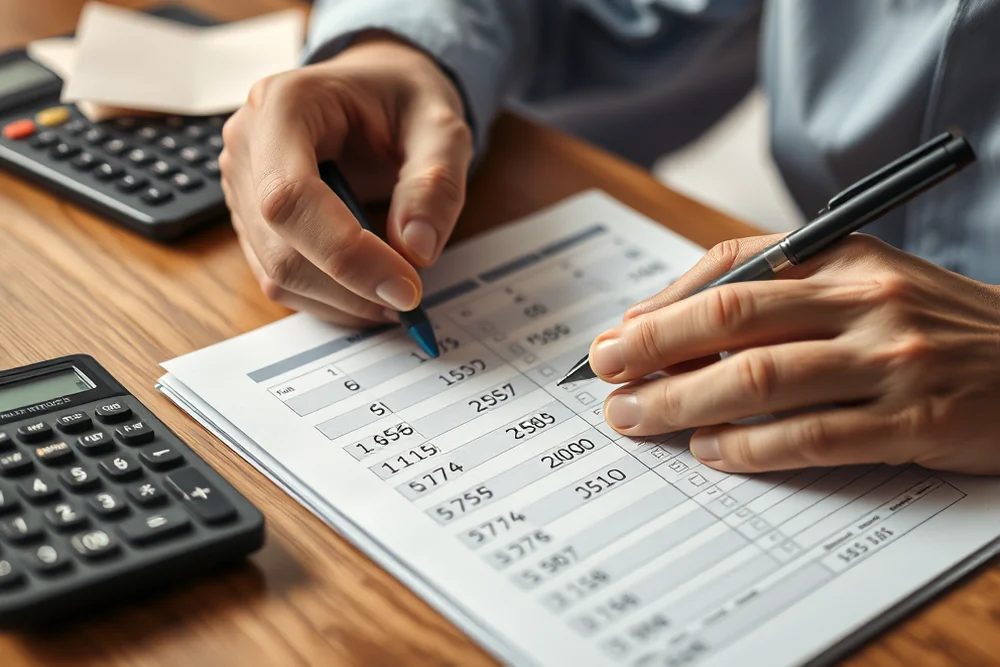
When you see cash in your hand, it becomes more real and tangible. This helps you make better decisions about where your money goes. I used to blow through my budget every month without even realizing it, but once I started using cash envelopes, I became much more aware of my spending.
One of the biggest mistakes I made in the beginning was using cash from the wrong envelope. I had a $20 envelope for dining out and a $30 envelope for groceries. One day, I mistakenly used the dining out money to buy groceries. This was a wake-up call — I realized I needed to be more careful and disciplined.[4]
Since then, I’ve made a habit of checking each envelope before I spend. It might seem small, but it makes a huge difference. Physical cash also helps you avoid the temptation to charge things to your credit card. I’ve noticed that I spend less when I have to physically take money from the envelope.
Money in your hand is money that stays in your hand.
Related: Simple cash envelope budget template
Related: Cheap cash envelope budgeting for beginners
Related: Fast cash envelope budgeting ideas
Related: Diy cash envelope budgeting apps
Related: Cash envelope budget template 2026
Staying on Track with Cash Envelope Budgeting
One of the best ways to stay on track is to review your envelopes at the end of the week. This helps you identify which categories you’re overspending on and which ones you’re underusing. I found that I was consistently overspending on entertainment, so I adjusted my budget to better fit my needs.
Another strategy I used was to carry only the cash I needed for the day. This helped me avoid the temptation to spend more than I had planned. I kept my envelopes in a small pouch that I carried with me, and only took the cash I needed for each category.
I also found that keeping a small notebook to track my expenses was incredibly helpful. Even though I was using cash, I still wanted to know where my money was going. I made a habit of writing down every purchase in my notebook, which helped me stay accountable and see where I needed to make changes.
Keep a small notebook or app to track your expenses. Review your envelopes every week and adjust your budgets if needed. This helps you stay on track and avoid overspending.
“I used to think budgeting was the last thing I needed in my life.”— EnvelopeCash editors
Adjusting Your Budget as Your Life Changes
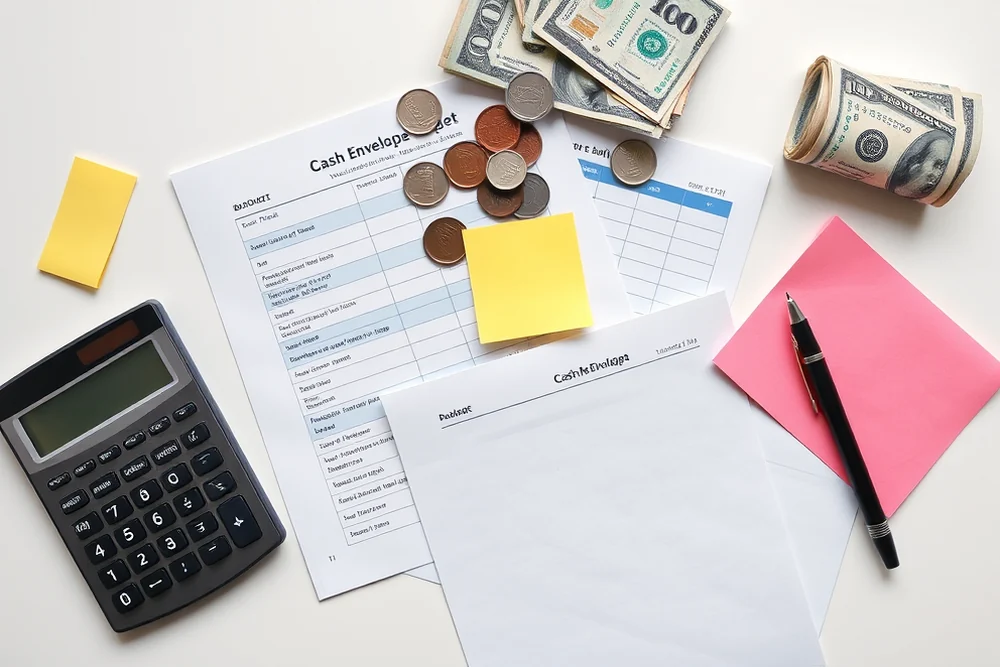
Life is unpredictable, and your budget needs to be too. When I got a new job and my income increased, I was able to adjust my envelopes to include more money for savings and unexpected expenses. This helped me build an emergency fund, which is something I never had before.
On the flip side, when I had to cut back on expenses due to a sudden financial setback, I was able to reduce my envelopes and focus on the essentials. I found that this method made it easier to adapt to changes without feeling overwhelmed.
One of the best things about cash envelope budgeting is that it allows you to be flexible. You can increase or decrease your envelopes as needed, and the process is simple and straightforward. This makes it a great option for people with changing incomes or unpredictable expenses.
Overcoming Common Challenges with Cash Envelope Budgeting
One of the biggest challenges I faced was running out of cash in certain envelopes. This happened when I underestimated my expenses or had unexpected costs. To overcome this, I started keeping a small emergency fund in cash, which I used only for emergencies. This helped me avoid going into debt or overspending.
Another challenge was the inconvenience of carrying cash around. I had to get used to carrying my envelopes with me, which was a bit of a hassle at first. However, after a few weeks, it became second nature. I also found that using a small pouch or wallet to carry my envelopes made it easier to manage my money on the go.
Lastly, I had to be careful not to overspend on impulse purchases. To combat this, I made a habit of only using cash for non-essential items and keeping my credit cards in a secure place. This helped me avoid the temptation to charge things I couldn’t afford.
⭐ Classic
The original cash envelope recipe, perfect for everyday meals.
💰 Budget
A version with even fewer ingredients and lower costs.
⚡ Extra-Fast
A quicker version that skips some of the longer steps.
✨ Depth
An advanced version with more flavor and customization options.
🥗 Light
A lighter, healthier version with more vegetables and less meat.
| The mistake | Why it happens | The fix |
|---|---|---|
| Using cash from the wrong envelope | This can cause confusion and lead to overspending in the wrong category. | Label each envelope clearly and be disciplined about using the right one for the right expense. |
| Not adjusting your budget for life changes | If your income or expenses change, your budget should too. Failing to adjust can lead to financial stress and overspending. | Review your budget regularly and make adjustments as needed to ensure it fits your current financial situation. |
| Overspending on impulse purchases | Carrying too much cash can make it easier to overspend on non-essential items. | Only carry the cash you need for the day and keep your credit cards in a secure place to avoid impulse spending. |
| Not tracking expenses | Even though you’re using cash, it’s still important to track your spending to stay on track with your budget. | Keep a notebook or use a simple app to track your expenses and review them regularly. |
Cash Envelope Budgeting Tips
Common Questions
How do I choose the right categories for my envelopes?
What should I do if I run out of cash in a particular envelope?
Can I use this method if I have a high income?
How do I stay motivated when using this method?
References
- Successful Budgeting and Financial Planning for the New Year (dfpi.ca.gov)
- PDF e3d17508174bba1bf853022ac99337e4967d4f910314229c5906298d1a8703eb - SEC.gov (sec.gov)
- The Envelope System: A Cash-Based Budgeting Hack (sites.psu.edu)
- What Is the Cash Stuffing Envelope Budget System? - NerdWallet (nerdwallet.com)
Cite this guide
EnvelopeCash (2026). Cash Envelope Budgeting Tips. https://envelopecash.com/cash-envelope-budgeting-tips/
Feel free to cite or share this guide.