
Cash Envelope Budgeting Ideas For Families
📖 Table of Contents
There was a time when I thought budgeting was the last thing I wanted to do. I was juggling work, kids, and a never-ending list of household responsibilities. One day, I stumbled upon the idea of cash envelope budgeting, and it changed everything. It was the kind of approach that felt tangible, real, and not at all like some abstract financial theory. I remember sitting with my family, handing out cash for groceries, gas, and entertainment, and suddenly, we had a sense of control over our money that I hadn’t felt in years.[5]
The concept was simple, but the impact was huge. We started by taking our monthly income, breaking it down into categories, and putting cash in labeled envelopes. This didn’t just help us avoid overspending — it also taught our kids the value of money in a way no lecture or app ever could. It’s a method that’s been around for decades, but it still works today, especially for families looking for a hands-on way to manage their finances.
Cash envelope budgeting isn’t just about cutting costs or living frugally — it’s about creating a system that aligns with your values and lifestyle. Whether you’re a busy parent, a single earner, or a couple starting out together, this method can be tailored to fit your needs. I’ve tested it with my own family. I can tell you from experience: it’s one of the most powerful tools I’ve ever used to build financial stability and peace of mind.
Why You'll Love This Budgeting Method
- It gives you full visibility into where your money is going, right in your hands.
- It prevents overspending automatically, without the need for apps or alerts.
- It teaches kids and teens the value of money through real-life experience.
- It’s simple, adaptable, and works for any family budget size or income level.
How to Set Up Your Cash Envelope Budget
As of August 2026, the first step in cash envelope budgeting is to get a clear picture of your monthly income and expenses. Sit down with your family and list out all the necessary costs — rent or mortgage, utilities, groceries, transportation, and so on. Once you have that list, you can begin allocating cash to each category. I found it helpful to use envelopes labeled with the exact purpose, like 'groceries' or 'entertainment.'
To make this work, I recommend setting aside a specific amount of money each month for each category. For example, if you spend $500 a month on groceries, you can put that amount in the 'groceries' envelope. Once that envelope is empty, you stop spending on that category for the month. This forces you to be mindful of your spending and avoid debt.[1]
I also set aside an envelope for 'miscellaneous' or 'unexpected expenses.' This is crucial because life has a way of throwing curveballs — a broken appliance, a medical bill, or an emergency car repair. By having that buffer in place, you’re prepared without having to go into credit card debt. It’s a small but powerful addition to the system.
Store your envelopes in a drawer or a storage box so they’re all in one place and not scattered around the house. This makes it easier to access and manage your envelopes.
Part of our Cash envelope budgeting guide.
The Psychology Behind Cash Envelope Budgeting
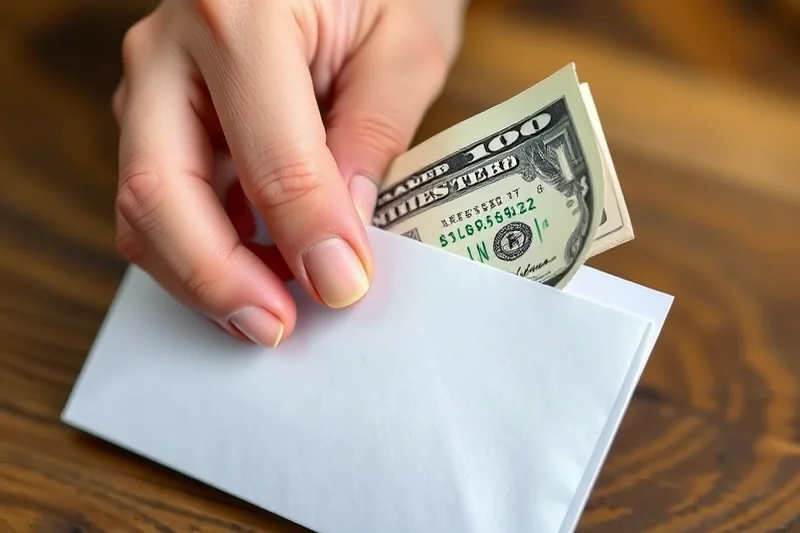
Cash envelope budgeting works on a psychological level that’s often overlooked in digital budgeting methods. When you see the cash in your hand, it’s far more real than a number on a screen. I remember the first time I handed my daughter a small envelope with $20 for her weekly allowance — she immediately treated it with more care, even splitting it into two smaller envelopes for different purposes.[2]
This physicality of cash makes it more difficult to overspend. Studies have shown that people are more likely to spend money when it’s in a digital wallet or bank account than when it’s in their hands. The act of physically allocating cash to specific categories helps you and your family stay grounded in reality and avoid impulsive purchases.[3]
Another benefit is that this system teaches children and teens the value of money through real-life experience. Instead of just being given a card with a number on it, they see the money they have to spend, and they learn to make choices based on the cash they have available.
Cash is more real than a number on a screen — and that makes all the difference.
Related: Simple cash envelope budget template
Related: Cheap cash envelope budgeting for beginners
Related: Fast cash envelope budget binder
Related: Natural cash envelope budgeting app
Related: Budget book with cash envelopes without tools
Related: How To Fold Paper Into An Envelope
Related: What Is Cashier'S Check
Tailoring the System to Your Family’s Needs
One of the biggest advantages of cash envelope budgeting is that it can be customized to fit your family’s unique needs and circumstances. For example, if you have a child in college, you might add an envelope for tuition or books. If you’re planning a vacation, you could allocate an envelope for that specific purpose.
I’ve found that it’s helpful to review your budget monthly and make adjustments as needed. If you’re consistently running out of cash in one category, you might need to adjust the amount allocated to it. This flexibility is key, as it allows the system to grow with your family over time.
Another tip is to involve all family members in the process. When everyone has a say in how money is allocated, it fosters a sense of ownership and responsibility. I started this with my kids when they were in their early teens, and it helped them understand the importance of budgeting in a way that was engaging and educational.
Once a month, sit down with your family and review your budget. Are you consistently running out of cash in one category? Adjust it. This keeps the system relevant and effective.
“There was a time when I thought budgeting was the last thing I wanted to do.”— EnvelopeCash editors
Using Cash Envelope Budgeting for Emergency Funds
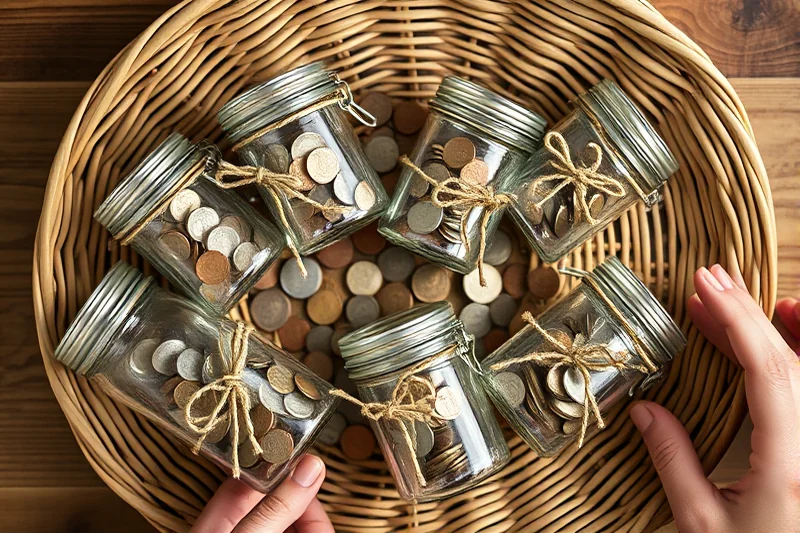
One of the most overlooked aspects of cash envelope budgeting is the importance of building an emergency fund. I realized this when I had to replace my car’s brakes unexpectedly and had no money set aside for that. That’s when I decided to create a separate envelope for emergency expenses, even if it was only a small amount each month.
By setting aside a portion of your income into an emergency envelope, you’re preparing for the unexpected without relying on credit cards or loans. I now allocate about $100 each month into this envelope, and it’s helped me cover several small emergencies without having to dip into savings.[4]
It’s also a good idea to keep this emergency envelope in a safe, accessible place — maybe even a locked drawer or a safe deposit box. The key is that it’s only used for true emergencies, which reinforces the value of the system and the importance of financial preparedness.
The Long-Term Benefits of Cash Envelope Budgeting
Over the years, I’ve noticed that cash envelope budgeting has helped my family develop a strong sense of financial discipline. We’ve become more aware of our spending habits and have learned to make more intentional choices about how we use our money. It’s not just about saving money — it’s about building a mindset of responsibility and control.
Another long-term benefit is that this method helps families build lasting financial habits. When children grow up seeing their parents use cash envelope budgeting, they’re more likely to adopt similar habits as they become adults. I’ve seen this in my own children, who now manage their college funds and part-time jobs with the same level of care and planning.
Finally, cash envelope budgeting has helped our family achieve our long-term goals. Whether it’s saving for a home, planning a trip, or starting a business, having a clear, tangible system in place has made those goals feel more achievable and within our reach.
⭐ Classic
A basic recipe using whole grain flour and honey for a warm, nutty flavor.
💰 Budget
Saves on ingredients by using brown sugar instead of honey and reducing the almond flour.
⚡ Extra-Fast
Skip the baking step and serve the dough as a warm, handheld treat.
✨ Depth
Add dried fruit, nuts, or chocolate chips to enhance the flavor and texture.
🥗 Light
Use oat flour and reduce the honey to make a lower-calorie version.
| The mistake | Why it happens | The fix |
|---|---|---|
| Not setting aside enough for emergencies | This can lead to unexpected debt if an emergency arises and there’s no buffer. | Always set aside a portion of your income for unexpected expenses, even if it’s a small amount. |
| Using the envelopes for non-budgeted purposes | This can cause you to run out of money in other areas and create financial stress. | Establish clear rules for each envelope and avoid using it for anything outside its designated purpose. |
| Not reviewing the budget regularly | This can cause the system to become outdated and less effective over time. | Review your budget monthly and make adjustments as needed to keep it aligned with your financial goals. |
| Overlooking the importance of communication | If family members aren’t on the same page, it can lead to confusion and conflict. | Encourage open communication and involve everyone in the budgeting process to ensure everyone’s needs are met. |
| Trying to use too many envelopes | This can create a sense of overwhelm and make the system harder to manage. | Keep your envelopes focused on the most essential categories and avoid adding too many at once. |
| Neglecting to track expenses | Without tracking, it’s difficult to know where your money is going and where adjustments are needed. | Use a simple tracking method, like a notebook or app, to monitor your spending and ensure you’re staying within your budget. |
Cash Envelope Budgeting Ideas For Families
Common Questions
Can we use cash envelope budgeting if we’re on a low income?
How do we handle unexpected expenses in this system?
What if we run out of money in a category before the month is over?
How do we teach kids about budgeting using this method?
References
- PDF Budget Worksheet - consumer.gov (consumer.gov)
- Successful Budgeting and Financial Planning for the New Year (dfpi.ca.gov)
- CalWORKs Fact Sheet and Maximum Payment Standards (dpss.lacounty.gov)
- PDF Creating a monthly household budget - Consumer Financial Protection Bureau (files.consumerfinance.gov)
- PDF Money Basics Guide to Budgeting and Savings - MyCreditUnion.gov (mycreditunion.gov)
Cite this guide
EnvelopeCash (2026). Cash Envelope Budgeting Ideas For Families. https://envelopecash.com/cash-envelope-budgeting-ideas-for-families/
Feel free to cite or share this guide.