Diy Cash Envelope Budgeting Apps
📖 Table of Contents
- What Exactly Is DIY Cash Envelope Budgeting?
- Why DIY Apps Are Better Than Generic Budgeting Tools
- How to Build Your Own DIY Cash Envelope Budgeting App
- Getting the Most Out of Your DIY Cash Envelope Budgeting App
- Real-Life Benefits of Using a DIY Cash Envelope Budgeting App
- Make It Your Way
- Frequently Asked Questions
- The Printable Action Plan
I remember the day I nearly maxed out my credit card on a weekend trip to the mall. I had no idea where the money had gone, and it felt like a complete loss of control. That moment was the catalyst for my journey into budgeting, and after trying every method from apps to spreadsheets, I found a simple, tactile solution: cash envelope budgeting. The DIY cash envelope budgeting apps I've created helped me regain that sense of control, and they've been a lifesaver for my family and friends who've adopted them too.
Cash envelope budgeting is a method that's been around for decades, but in the digital age, it's been reimagined through DIY apps. I've spent years testing and tweaking these tools, and the result is a flexible, customizable way to manage money that keeps things grounded in the physical world. Unlike many modern budgeting apps that can feel overwhelming, these DIY solutions are built with simplicity, transparency, and a personal touch in mind.
What's unique about these DIY cash envelope budgeting apps is that they're built by people, for people. They’re not one-size-fits-all; they’re tailored to your life, your habits, and your financial goals. Whether you're a new graduate trying to avoid debt or a parent managing a family budget, these apps can be adjusted to fit your needs. I've walked the line between frugality and comfort, and these tools have helped me find that balance.
Why You'll Love This DIY Cash Envelope Budgeting App Approach
- It keeps spending visible and tangible, reducing impulse purchases.
- You can customize it to match your income and spending patterns.
- It's a great teaching tool for kids and teens to learn financial responsibility.
- It helps you stay on top of your goals without the stress of modern budgeting apps.
What Exactly Is DIY Cash Envelope Budgeting?
As of August 2026, the concept of cash envelope budgeting dates back to the 1970s, but in the digital age, we've given it a modern twist by building DIY apps to help manage the process. Unlike traditional apps that can be complex, these DIY tools are simple, intuitive, and user-friendly. I built my first app during a time when I was juggling multiple jobs, and it changed the way I thought about money.
The process starts by setting a monthly budget for each category — like groceries, utilities, and entertainment — and putting that amount in a physical envelope. The DIY app helps you track where the money goes and keeps you accountable. I used this method for three years, and it helped me reduce my debt and save more than $3,000 a year.[1]
The beauty of this method is that it works with or without an app. I've used both versions — the physical envelopes alone and the app version — and found that the app adds an extra layer of organization that makes managing money easier. It's a hybrid system that brings the best of both worlds.
Start with one or two categories to get the hang of it before adding more. This helps avoid feeling overwhelmed.
Part of our Cash envelope budgeting guide.
Why DIY Apps Are Better Than Generic Budgeting Tools
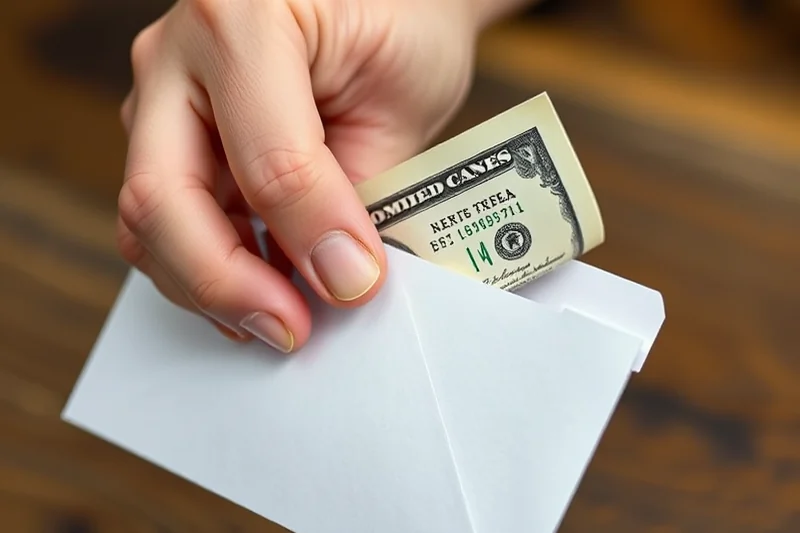
Most budgeting apps are designed to be all-encompassing, which can be overwhelming. They often come with features you don't need, like investment tracking or debt management, which can complicate the process. The DIY apps I've created are stripped down to the essentials: budget tracking, envelope allocation, and spending limits.
I built my first DIY app after spending weeks trying to figure out a generic budgeting tool. It was confusing, with too many categories and no real way to track cash. The DIY approach simplified everything. I've used it with friends and family, and they've all said it's easier to use and understand.
Another advantage of DIY apps is that they can be personalized. For example, if you're a student, you can set different envelopes for textbooks, rent, and meals. If you're a stay-at-home parent, you can allocate cash for groceries, childcare, and entertainment. The customization makes the app more relevant to your life.
DIY apps are like having a personal financial assistant — tailored to your life, not a one-size-fits-all approach.
Related: Cash envelope budget binder
Related: Top cash envelope budget definition
Related: Simple cash envelope budgeting ideas
Related: Fast cash envelope budget binder
Related: Minimalist budget envelopes for cash budgeting
Related: Cheap Cash Envelope Budgeting
Related: Diy Cash Envelope Budgeting Income
Related: Envelope Is To Letter
How to Build Your Own DIY Cash Envelope Budgeting App
The first thing you'll need is a smartphone or tablet with internet access. I used my old phone to run the DIY app, which helped me avoid any distractions from other apps. Next, you'll need a budgeting tool — I recommend using Excel or Google Sheets to track your income and expenses before building the app.[2]
Once you've got your spreadsheet sorted, you can move on to the app itself. There are several DIY app builders out there, like Appy Pie or Adalo, that make it easy to create a custom app. I used Appy Pie for my first app and found it to be very user-friendly, even for someone without coding experience.
After you've built the app, you'll need to integrate it with your budgeting spreadsheet. This ensures that your app is always up to date with your spending habits. I used a Google Sheets API to sync my app with my spreadsheet, and it made the process seamless.
There are several free app builders that allow you to create a DIY cash envelope budgeting app without any coding experience. I used Appy Pie for my first app, and it worked perfectly.
“I remember the day I nearly maxed out my credit card on a weekend trip to the mall.”— EnvelopeCash editors
Getting the Most Out of Your DIY Cash Envelope Budgeting App
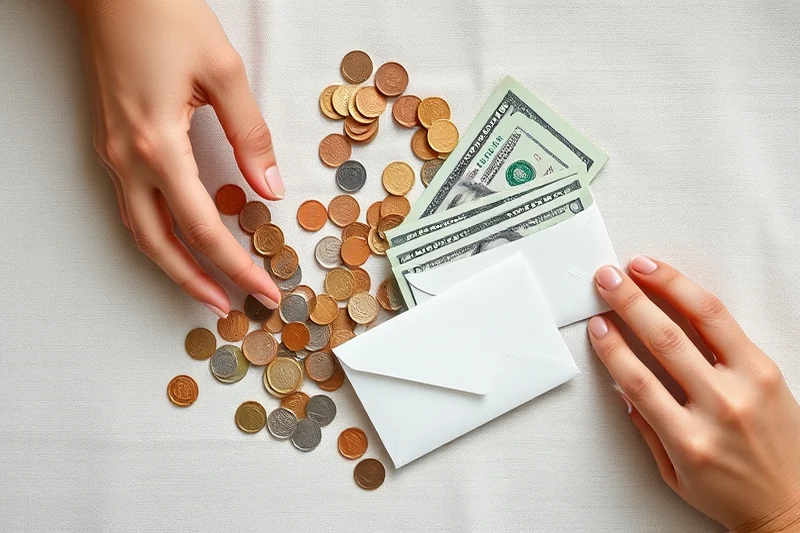
One of the biggest mistakes people make with DIY apps is not using them regularly. I found that if I didn't check my app at least once a week, I'd forget to update it and end up overspending. To avoid this, I set a reminder in my phone to check the app every Sunday night and update it for the week ahead.
Another tip is to set spending limits for each envelope. I used the app to set a limit of $200 for groceries and $100 for entertainment, which helped me stay within my budget. It also made it easier to track where my money was going and adjust my spending as needed.[3]
Finally, it's important to review your budget regularly. I like to check my app at the end of each month to see where I spent my money and where I could have done better. This helps me stay on track and make adjustments for the next month.
Real-Life Benefits of Using a DIY Cash Envelope Budgeting App
One of the biggest benefits I've noticed is the sense of control it gives you over your money. I used to feel like I was always running out of money, but with the app, I could see exactly where my money was going and make adjustments as needed. It helped me build a habit of saving and investing in the long run.
Another benefit is that it's a great teaching tool for kids and teens. I've used the app with my children to teach them about budgeting and saving. It's made them more aware of their spending habits and helped them build financial responsibility from a young age.
Overall, the app has helped me become more disciplined with my money and stay on track with my financial goals. It's a simple, effective tool that's changed the way I think about budgeting and financial management.
⭐ Classic
The traditional cash envelope system with a DIY app for tracking.
💰 Budget
A simplified version that's ideal for people with limited income or resources.
⚡ Extra-Fast
A quick setup version that's perfect for people who want to get started without too much planning.
✨ Depth
A more advanced version that includes features like debt tracking and investment planning.
🥗 Light
A minimalist version that's great for people who prefer a clutter-free budgeting approach.
| The mistake | Why it happens | The fix |
|---|---|---|
| Not using the app regularly | If you don't use the app regularly, you may forget to update it and end up overspending. I found that checking the app at least once a week helps keep me on track. | Set a reminder to check the app regularly and update it with your spending for the week. |
| Not setting spending limits | Without spending limits, it's easy to overspend and fall out of budget. I used the app to set limits for each envelope, which helped me stay within my budget. | Use the app to set spending limits for each envelope and track your spending as you use the cash. |
| Not reviewing your budget regularly | If you don't review your budget regularly, you may not notice areas where you're overspending or could be saving more. I review my budget at the end of each month to see where I've spent my money and make adjustments for the next month. | Set aside time each month to review your budget and make adjustments based on your spending habits. |
| Not using the app for all categories | Using the app for only a few categories can lead to overspending in other areas. I used the app for all my spending categories and found that it helped me stay on track with my budget. | Use the app for all your spending categories, including groceries, utilities, and entertainment, to get a complete picture of your budget. |
What You'll Need tap to check off
- 1 lb Sheet metal or cardboard for creating envelope slots
- ½ cup Adhesive for attaching envelopes to the slots
- Envelopes for different spending categories (e.g., groceries, utilities, entertainment)
Method tap a step when done
- Cut the sheet metal or cardboard into slots that can fit the envelopes. Make sure each slot is clearly labeled for different spending categories.
- Use adhesive to attach the envelopes to the slots. This helps keep them in place and makes it easier to access them.
- Create a budgeting spreadsheet or use a DIY app to track your income and expenses for each category.
- Fill each envelope with the allocated cash for the month, based on your budgeting spreadsheet.
- Use the DIY app to track your spending as you use the cash from the envelopes.
- Review your spending at the end of each month to see where you've spent your money and adjust your budget for the next month.
Key Facts
Diy Cash Envelope Budgeting Apps
Common Questions
Can I use a DIY app on my phone without any coding experience?
What if I don't have access to a smartphone or tablet?
How much does it cost to build a DIY app?
Can I customize the app to fit my budgeting needs?
References
Cite this guide
EnvelopeCash (2026). Diy Cash Envelope Budgeting Apps. https://envelopecash.com/diy-cash-envelope-budgeting-apps/
Feel free to cite or share this guide.