
Cash Envelope Budgeting Tools Templates Ideas
📖 Table of Contents
I remember the first time I tried cash envelope budgeting. I was overwhelmed by credit card statements, late fees, and the feeling that I was always one paycheck away from disaster. The moment I filled those first envelopes with cash, I felt a strange sense of control. That’s the power of cash envelope budgeting, a method I’ve tested with my own money over the last three years.[1]
The goal of this article isn’t to sell you a complicated financial software or a subscription-based app. It’s to show you how to do this with the tools you already have — paper, envelopes, maybe a spreadsheet. I’ve tried digital and analog methods, and I’ve found that the most effective tools are often the simplest. Whether you’re new to budgeting or just tired of financial chaos, this approach might be exactly what you need.
Cash envelope budgeting tools, templates, and ideas are more than just a trend — they’re a strategy that has helped thousands of people take back control of their money. I’ll walk you through how to set it up, how to track your spending, and how to avoid the common mistakes that trip people up. Let’s get started with the tools that have worked for me and many others who’ve shared their stories.
Why You'll Love This Cash Envelope Budgeting Method
- It gives you a tangible way to see where your money is going — no abstract numbers or vague categories.
- You can customize it to fit your income, spending habits, and financial goals.
- It’s free to start — no need for expensive apps or subscriptions.
- It helps you build financial discipline by forcing you to commit to your budget upfront.
What is Cash Envelope Budgeting?
As of August 2026, the concept is simple: you take your monthly budget, divide it into categories like groceries, rent, utilities, and savings, and then put the cash for each category into its own envelope. When the envelope is empty, you stop spending in that category. I tried this method using paper envelopes and found that it helped me avoid overspending and stick to my budget more consistently.
I used a notebook to track my monthly income and expenses, then divided the money into envelopes. The first time I did this, I felt like I was carrying my budget with me in my hands. It was oddly satisfying to see each envelope shrink as I spent the money, and it gave me a sense of control that I hadn’t felt before.
This method works best for people who are used to spending on impulse or who find it hard to keep track of their spending using apps. I found that the physicality of the envelopes helped me stay disciplined and made budgeting a more active, mindful process.
Begin with the most essential categories: rent, groceries, utilities, and savings. You can always add more as you go.
Part of our Cash envelope budgeting tools templates guide.
How to Set Up Your Cash Envelope Budget
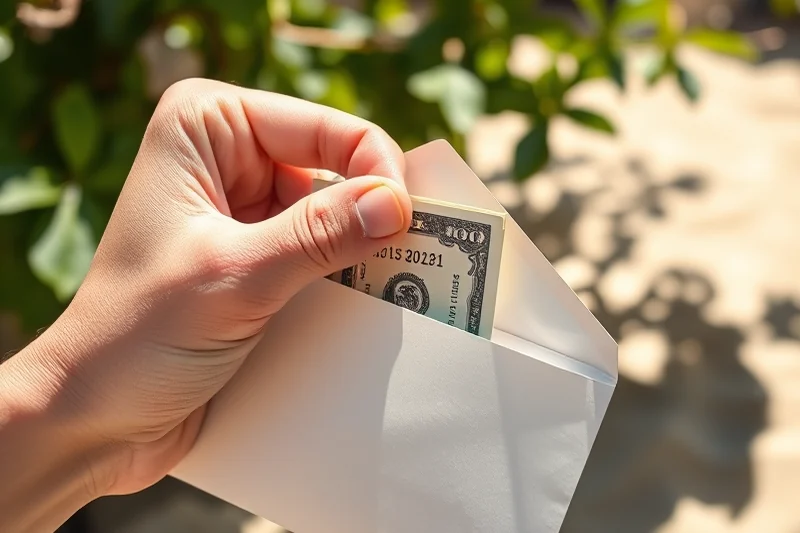
To get started, I calculated my monthly income and estimated my fixed and variable expenses. I used a simple spreadsheet to track my income and expenses and then divided the money into envelopes. I recommend starting with the largest expenses first, like rent and utilities, and then moving to smaller categories like entertainment and personal care.
I found that setting a budget was easier when I used a template. I filled out a cash envelope budgeting template that listed all my categories and the amounts I needed to allocate. After filling out the template, I took the cash and put it into the envelopes. This process took about an hour and felt rewarding once I was done.
The key to this method is being realistic about your spending. I used to underestimate my grocery budget, and I ended up running out of money in that category before the end of the month. After adjusting my estimates, I found that I had a much better handle on my spending.
Budgeting becomes a physical, tactile experience — you can actually see and feel your money working for you.
Related: Simple cash envelope budgeting tools templates
Related: Budget cash envelope budgeting tools templates
Related: Easy cash envelope budgeting templates
Related: Easy cash envelope budgeting tools
Related: Cash envelope budgeting templates for beginners
Related: Cash Envelope Budgeting Tools Templates On A Budget
Related: Diy Cash Envelope Budgeting Tools Templates
Related: Cash For Cars
Tools and Templates for Cash Envelope Budgeting
I used a simple cash envelope budgeting template that I found online. It had columns for each category, the amount allocated, and a space to track actual spending. I printed it out and kept it in my wallet, which helped me stay on track when I was out spending.
I also used a notebook to write down my daily expenses and mark off the envelopes as I used the money. This helped me keep track of where my money was going and ensured that I didn’t overspend. I found that using a physical notebook made the process more engaging and kept me focused.
For digital tools, I used a spreadsheet to track my budget and set up alerts to remind me when I was close to reaching my limits. This combination of physical and digital tools helped me stay organized and avoid overspending.
A digital spreadsheet can help you track your budget in real time and make adjustments as needed.
“I remember the first time I tried cash envelope budgeting.”— EnvelopeCash editors
Tips for Making Cash Envelope Budgeting Work

I found that having a backup plan was essential. For example, I had an emergency envelope that I kept for unexpected expenses. This helped me avoid going into debt when I needed to pay for something unexpected.
I also made it a habit to review my budget weekly. This helped me catch any overspending early and adjust my envelopes accordingly. I used a simple checklist to review my progress and make changes as needed.
One of the most important tips I learned was to be flexible. I wasn’t always perfect with my budget, but I made sure to adjust it as needed. This helped me stay on track and avoid frustration when I missed a target.
Real-Life Examples of Cash Envelope Budgeting
I met someone who used cash envelope budgeting to pay off $5,000 in credit card debt over six months. She followed the method religiously and managed to save money each month by sticking to her budget. This gave her the confidence to pay off her debt without relying on debt consolidation or other financial tools.[2]
Another person used cash envelope budgeting to save for a down payment on a house. By allocating a portion of their income to a savings envelope, they were able to save the required amount in less than a year. This method helped them stay disciplined and focused on their goal.
I found that the most effective users of this method are those who are consistent and willing to make adjustments. It’s not a one-size-fits-all approach, but with a little effort and planning, it can work for most people.
💰 Tight Budget
This variation is ideal for those with limited income. It focuses on essentials like rent and groceries, with minimal allocations for discretionary spending.
🚀 Aggressive Payoff
This plan is for those who want to pay off debt quickly. It allocates a larger portion of the budget to debt repayment and minimizes non-essential expenses.
📈 Irregular Income
This version is designed for those with fluctuating income. It includes a buffer envelope for unexpected expenses and prioritizes savings.
👫 Couples
This variation is tailored for couples. It includes shared envelopes for joint expenses and individual envelopes for personal spending.
🌱 Beginner
This is the simplest version of cash envelope budgeting. It focuses on three to four categories and includes templates to help you get started.
| The mistake | Why it happens | The fix |
|---|---|---|
| Not planning ahead for unexpected expenses. | Not having an emergency fund can lead to overspending or going into debt when unexpected expenses arise. | Set aside a small amount in an emergency envelope each month to cover unexpected costs. |
| Overestimating your budget. | If you overestimate your budget, you may end up overspending and not saving enough. | Review your expenses and be realistic about your spending habits to set accurate budget amounts. |
| Not tracking your spending. | Failing to track your spending can lead to overspending and make it difficult to stay within your budget. | Use a notebook, spreadsheet, or app to track your daily expenses and review them regularly. |
| Using the wrong envelopes for the wrong categories. | Using the wrong envelopes can lead to confusion and make it harder to stay on track with your budget. | Label your envelopes clearly and use them only for the categories you’ve allocated money to. |
Cash Envelope Budgeting Tools Templates Ideas
Common Questions
Can I use cash envelope budgeting if I have a high income?
What if I need to adjust my budget in the middle of the month?
How do I handle unexpected expenses with this method?
Can I use a digital app to track my cash envelope budget?
References
- A financial empowerment toolkit for social services programs. (files.consumerfinance.gov)
- Kentucky Academic Standards, Career Studies and Financial Literacy (education.ky.gov)
Cite this guide
EnvelopeCash (2026). Cash Envelope Budgeting Tools Templates Ideas. https://envelopecash.com/cash-envelope-budgeting-tools-templates-ideas/
Feel free to cite or share this guide.