Homemade Budget Planner With Cash Envelopes
📖 Table of Contents
The first time I used cash envelopes for budgeting, I was standing in my kitchen with a stack of empty coffee mugs and a drawer full of old bills. I had just moved into my first apartment, and the idea of managing my money felt like trying to solve a Rubik’s Cube while blindfolded. I had no clue where my paycheck was going, and the only thing I knew for sure was that my savings account was shrinking faster than my paycheck was coming in. That’s when I stumbled on the cash envelope system, and it changed everything.
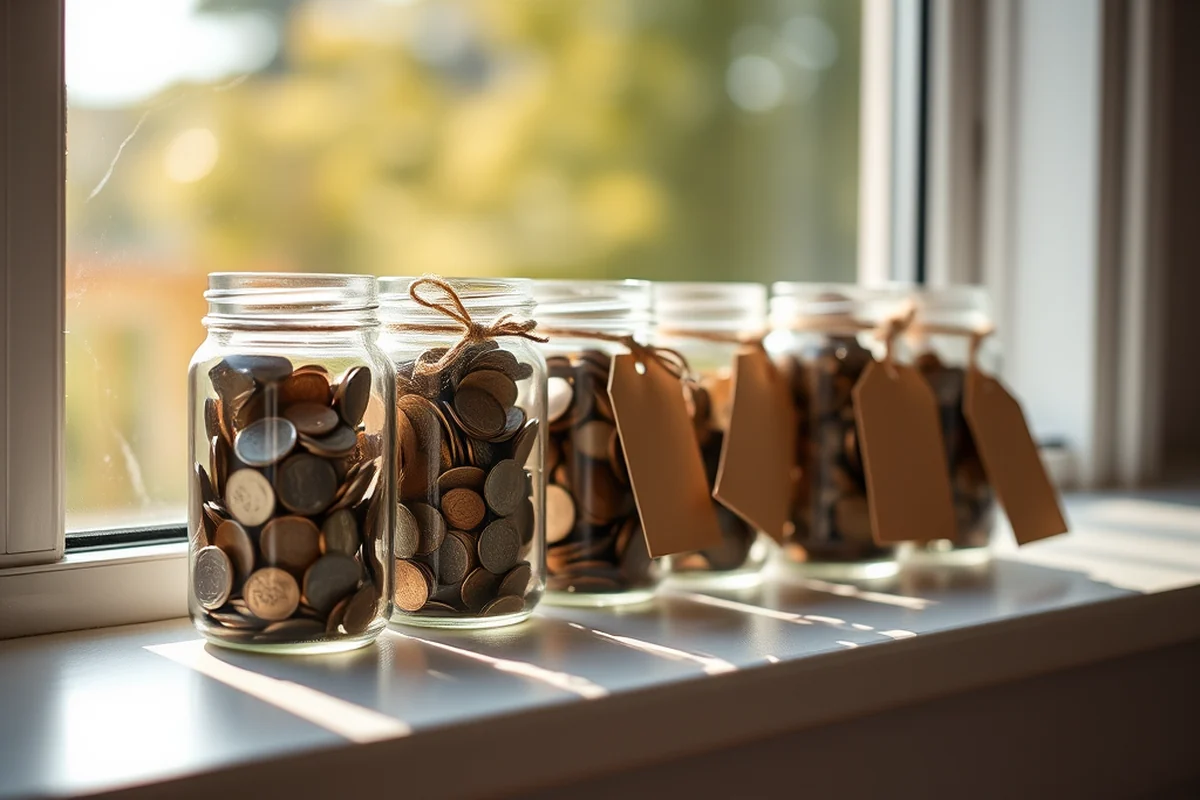
The cash envelope method, or homemade budget planner, is a low-tech, no-frills way to take control of your money. I remember the first month I used it, I set aside $150 for groceries and put it in a clear envelope labeled 'Groceries.' I had to count each bill and coin. I had to make sure I only spent that exact amount. It was tedious at first, but it forced me to be mindful of where my money was going. I didn’t need any apps, graphs, or spreadsheets — just a set of envelopes and a notebook to track my progress.[1]
Over time, the cash envelope system became more than just a tool — it turned into a habit that helped me save for my first car, pay off credit cards, and even plan a vacation. I started with just a few envelopes, but as my financial goals grew, so did my system. I learned how to allocate my money more efficiently, avoid overspending, and actually enjoy the process of managing my finances. Today, I’m not only financially stable, but I also feel a sense of accomplishment every time I close an envelope at the end of the month.
Why You'll Love This Homemade Budget Planner With Cash Envelopes
- It’s intuitive and easy to understand — no complex financial jargon or confusing charts.
- It helps you avoid impulse spending and keeps you accountable to your budget.
- It’s highly customizable — you can tailor it to your income, expenses, and financial goals.
- It empowers you with control over your money, not the other way around.
How to Get Started with the Cash Envelope System
As of August 2026, to get started, I recommend beginning with the most common monthly expenses — groceries, utilities, rent, and transportation. I used a stack of envelopes and labeled each one clearly. For example, I had an envelope for groceries, one for rent, one for utilities, and so on. This helped me see exactly how much money I had available for each category.[2]
I made sure to allocate the right amount for each envelope based on my income and expenses. For instance, I set aside $150 for groceries each month. I had to count out each bill and coin, which made me more aware of where my money was going. I also kept a notebook to track any changes in my budget and to note how much I had left in each envelope at the end of the month.[3]
What I found helpful was using a separate envelope for savings. I allocated a portion of my paycheck into a savings envelope, and I only opened it once a month to check on my progress. This helped me build a habit of saving without feeling like I was sacrificing anything else.
Don’t try to manage every single expense at once. Start with the biggest ones, like rent and utilities, and work your way down to smaller ones like entertainment and dining out. This will help you build confidence and avoid feeling overwhelmed.
Part of our Cash envelope budgeting guide.
The Benefits of a Homemade Budget Planner
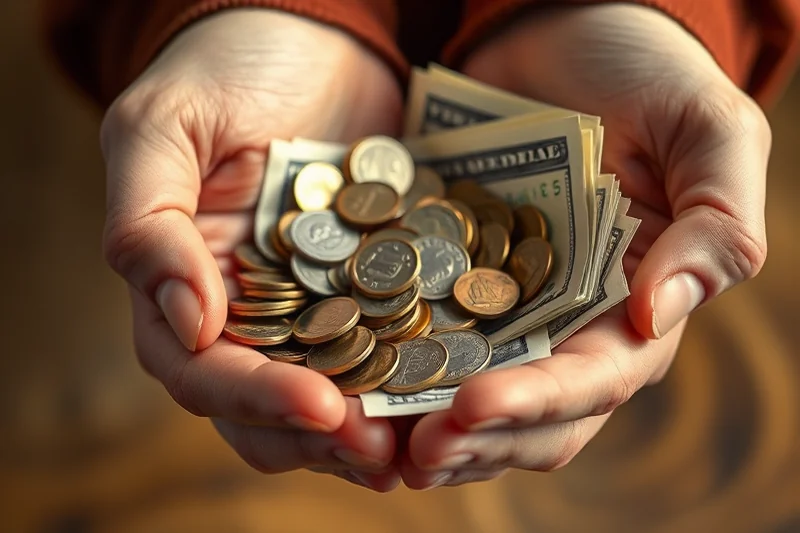
One of the biggest benefits I noticed was the way it helped me avoid impulse purchases. Before using the system, I would often find myself buying things I didn’t really need — like new shoes or snacks. But with the cash envelope method, I had a set amount for each category, and I had to make sure I stayed within that limit.
I also found that the system increased my financial awareness. I started to see exactly where my money was going, and I was able to identify areas where I was overspending. For example, I realized I was spending too much on dining out, so I started cooking more at home. This helped me save money and also eat healthier.
Another benefit is the sense of accomplishment that comes with closing an envelope at the end of the month. It was a small but powerful reminder that I was in control of my money, and that I was making progress toward my financial goals.
The cash envelope method gave me control over my money — and I’ve never looked back.
Related: Cheap cash envelope budgeting for beginners
Related: Best cash envelope budget system
Related: Cash envelope budget binder
Related: Fast cash envelope budgeting ideas
Related: Diy budget book with cash envelopes
Related: How To Cash Envelopes
Related: Check Into Cash
Related: Budget Planner With Cash Envelopes
Tips for Making the Most of Your Cash Envelopes
I found that keeping my envelopes in a designated spot — like a drawer or a container — helped me stay organized. I labeled each envelope clearly and kept track of how much was left in each one at the end of the month. This helped me see which categories I was over or under-spending in.
I also made sure to track my expenses in a notebook or a digital app. I would write down the amount I spent from each envelope, and this helped me stay on top of my budget. I found that keeping track of my spending helped me make better financial decisions in the long run.
Even though the system is structured, I made sure to be flexible when needed. For example, if I had leftover money in my groceries envelope, I would use that for a restaurant outing instead of saving it. This helped me enjoy my money without going over my budget.
Even though you're using cash, it's important to track your expenses. This will help you see where you're spending your money and make adjustments as needed. I used a simple notebook to track my spending, and it helped me stay on top of my budget.
“The first time I used cash envelopes for budgeting, I was standing in my kitchen with a stack of empty coffee mugs and a drawer…”— EnvelopeCash editors
How to Adjust Your Budget as Your Income Changes
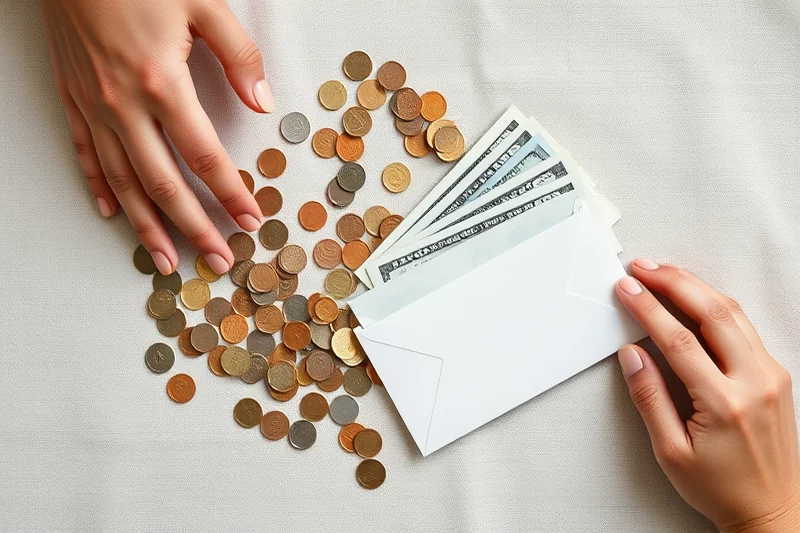
When my income increased, I had to adjust my budget to reflect my new financial situation. I started by increasing the amounts in each envelope, especially for categories like savings and entertainment. This helped me enjoy my new income without overspending.
I also made sure to track my expenses more closely as my income changed. For example, when I got a raise, I increased my savings envelope by 10% and used the extra money for more travel. This helped me stay within my budget while still enjoying the benefits of my new income.[4]
Another thing I did was review my budget monthly to see where I was spending and where I could adjust. This helped me stay on top of my finances and make the most of my new income.
Common Questions and How to Handle Them
One common question is how to handle unexpected expenses like car repairs or medical bills. My advice is to have an emergency fund. I allocated a small envelope for emergencies, and I made sure to keep it separate from my regular budget. This helped me cover unexpected expenses without going into debt.
Another question is how to stay motivated when using the cash envelope system. I found that setting small, achievable goals helped me stay motivated. For example, I set a goal to save $500 in my savings envelope over the course of a year. This gave me something to work toward, and it helped me stay focused on my financial goals.[5]
Lastly, I was asked how to handle situations where I didn’t have enough money in an envelope for a necessary expense. My advice was to be flexible and make adjustments. If I didn’t have enough in my groceries envelope, I would look for ways to cut back in other categories to make up the difference.
⭐ Classic
A traditional homemade budget planner with cash envelopes, ideal for beginners looking to get started on a simple and effective budgeting system.
💰 Budget
A low-cost version of the homemade budget planner, using minimal materials and focusing on the essentials of the cash envelope system.
⚡ Extra-Fast
A streamlined version of the homemade budget planner, designed for those who want to set up their system quickly and efficiently.
✨ Depth
An advanced version of the homemade budget planner, incorporating more detailed tracking and planning for complex financial goals.
🥗 Light
A simplified version of the homemade budget planner, focusing on the most essential categories and minimizing the amount of time and materials required.
| The mistake | Why it happens | The fix |
|---|---|---|
| Overestimating the amount of money needed for each envelope | This can lead to running out of money before the month is over, which can be stressful and defeat the purpose of the system. | Track your expenses for a month first to get an accurate idea of how much you need to allocate for each category. |
| Not keeping track of expenses | This can lead to overspending and a lack of awareness about where your money is going. | Use a notebook or a simple app to track your spending and make adjustments as needed. |
| Using the same envelopes for multiple categories | This can lead to confusion and make it harder to stay on track with your budget. | Use separate envelopes for each category and label them clearly to avoid mixing them up. |
| Not being flexible with the system | Being too rigid can lead to frustration and make it harder to stick with the system long-term. | Allow yourself some flexibility and make adjustments as needed based on your income and expenses. |
Homemade Budget Planner With Cash Envelopes
Common Questions
How do I know how much to put in each envelope?
What if I run out of money in an envelope before the month is over?
Can I use the cash envelope method if I have a variable income?
What if I can’t stick to the budget and end up overspending?
References
- Money and Other Monetary Instruments - U.S. Customs and Border Protection (cbp.gov)
- Simple Planner Inserts for Envelopes — Free Printable PDF (certtest.bart.gov)
- Your Money, Your Goals toolkit - Consumer Financial Protection Bureau (consumerfinance.gov)
- Food & Cash Assistance - Mass.gov (mass.gov)
- Tools - MyMoney.gov (mymoney.gov)
Cite this guide
EnvelopeCash (2026). Homemade Budget Planner With Cash Envelopes. https://envelopecash.com/homemade-budget-planner-with-cash-envelopes/
Feel free to cite or share this guide.