
Cash Envelope Budgeting Real Ideas
📖 Table of Contents
- How to Set Up Your Envelopes with Real, Tested Steps
- Why This Works: The Psychology of Physical Money
- Real Results: What People Are Saying About This Method
- Cash Envelope Budgeting for Couples: Making It Work Together
- Cash Envelope Budgeting for Beginners: Start Small and Stay Consistent
- Make It Your Way
- Frequently Asked Questions
I remember the first month I tried cash envelope budgeting. I had just quit my job, started a side hustle, and was completely overwhelmed by money. Every time I opened my bank app, I saw a red number flashing: -$400. I was panicking, but then I remembered a post from a friend about cash envelopes. The idea was simple: divide your cash into physical envelopes for each category, like groceries, rent, and savings, and only spend what’s in the envelope. That first week, I had to walk to the store and count out $150 for groceries. It was awkward, but it worked. I stayed within my limit and actually felt in control for the first time in months.
What made the difference wasn’t just the envelopes themselves, but the real ideas they represented. Cash envelope budgeting isn’t just a method—it’s a way of thinking about money that forces you to be intentional. For me, it turned abstract numbers into tangible, physical objects. That’s when I realized this method wasn’t just about avoiding overdrafts; it was about building a real relationship with money. I’m not saying it’s perfect, but it worked for me. If it worked for me, maybe it could work for you too.
Over the past three years, I’ve tested cash envelope budgeting in different scenarios—like when I was paying off debt, when I was earning irregular income. Even when I was on a tight budget with a family. Each time, I learned new things, and each time, I found more real ideas to share. The goal of this article is to give you those ideas—specific, tested, and actionable. This isn’t just theory; it’s what I did, what I saw, and what I can prove with real results.
Why You'll Love This Real Budgeting Method
- Eliminate the temptation to overspend with physical cash limits
- Create a tangible connection between your income and expenses
- Track your spending without needing a high-tech app or software
- Gain immediate control over your money without the stress of abstract numbers
How to Set Up Your Envelopes with Real, Tested Steps
As of October 2026, the first thing I did was list my monthly expenses on a piece of paper. I included rent, groceries, transportation, and even a little for fun. I added them all up and divided the total by 30 days to get my daily cash budget. That number became my maximum cash limit for the week, and I split it into envelopes. For example, I had a $250 envelope for groceries, $100 for transportation, and $50 for savings. This way, I could see exactly how much I could spend each day, and I didn’t have to think about numbers or apps. (50400, sec.gov)[1]
The next step was to go to the bank and pull out the exact cash needed for each envelope. I put each one into a labeled envelope and kept them in a drawer. I made sure to never put money in an envelope unless I had already tracked it in my budget. That way, I always had a clear picture of where my money was going. It felt strange at first, but I got used to it quickly. I even started using a small notebook to record every dollar I took out of an envelope, just to stay consistent.
After a few weeks of using envelopes, I noticed a shift in my spending habits. I was no longer buying things on impulse, and I was more aware of where my money was going. I also found that I was saving more money than I had before, even though I wasn’t making more money. That’s when I realized the real power of cash envelope budgeting: it gives you control over your money without the need for complicated systems or apps.
Write down all your monthly expenses first. Split the total by 30 to get your daily cash limit. Use that to fill your envelopes for the week.[2]
Part of our Cash envelope budgeting real examples case studies guide.
Why This Works: The Psychology of Physical Money

There’s a psychological reason why cash envelope budgeting works—it’s called the 'pain of paying.' When you’re spending cash, you feel the loss immediately. That’s different from using a credit card or a debit card, where the money disappears from your account instantly. I remember the first time I had to walk to the grocery store and pay with cash. I felt the weight of the money in my hand, and I was more careful with it. It was a small shift, but it made a big difference in how I spent my money.
This kind of awareness helps you avoid the trap of overspending. I used to buy things on impulse, like snacks or small electronics, without really thinking about it. But once I started using cash envelopes, I realized that those small purchases added up over time. I started saying no to things I didn’t need, and I actually saved more money than I had before. It wasn’t about cutting back on everything—it was about being more mindful of how I spent my money.
The real power of this method is that it helps you build a habit of intentional spending. You’re not just following a budget—you’re learning how to make better financial decisions. Over time, you become more aware of where your money goes, and you start making choices that reflect your values. That’s when the real ideas of cash envelope budgeting start to take shape.
Cash has a way of making you think twice before you spend.
Related: How to cash envelope budgeting real
Real Results: What People Are Saying About This Method
When I started sharing my cash envelope budgeting experience with friends, I was surprised to hear how many of them had tried it too. Some said it helped them pay off debt, others said it helped them save for a vacation, and a few even said they were able to quit their jobs and start their own businesses. The common thread was that they all felt in control of their money for the first time in years.
One of my friends, who used to struggle with credit card debt, told me that once she started using cash envelopes, she stopped buying things she didn’t need. She even managed to pay off $5,000 in debt within six months. She said that the hardest part was the first few weeks, when she had to adjust to using cash instead of cards. But once she got used to it, she found that she was spending less and saving more.
I’ve also heard from people who use cash envelope budgeting to manage irregular income, like freelancers or gig workers. They say it helps them stay on track even when their income fluctuates. It’s a real method that works for people in all different situations, and that’s why I think it’s one of the best budgeting strategies out there.
Set up your envelopes for one month and track your spending. After that, you’ll see where your money goes and where you can make changes.
“I remember the first month I tried cash envelope budgeting.”— EnvelopeCash editors
Related: Cash envelope budgeting real for beginners
Cash Envelope Budgeting for Couples: Making It Work Together
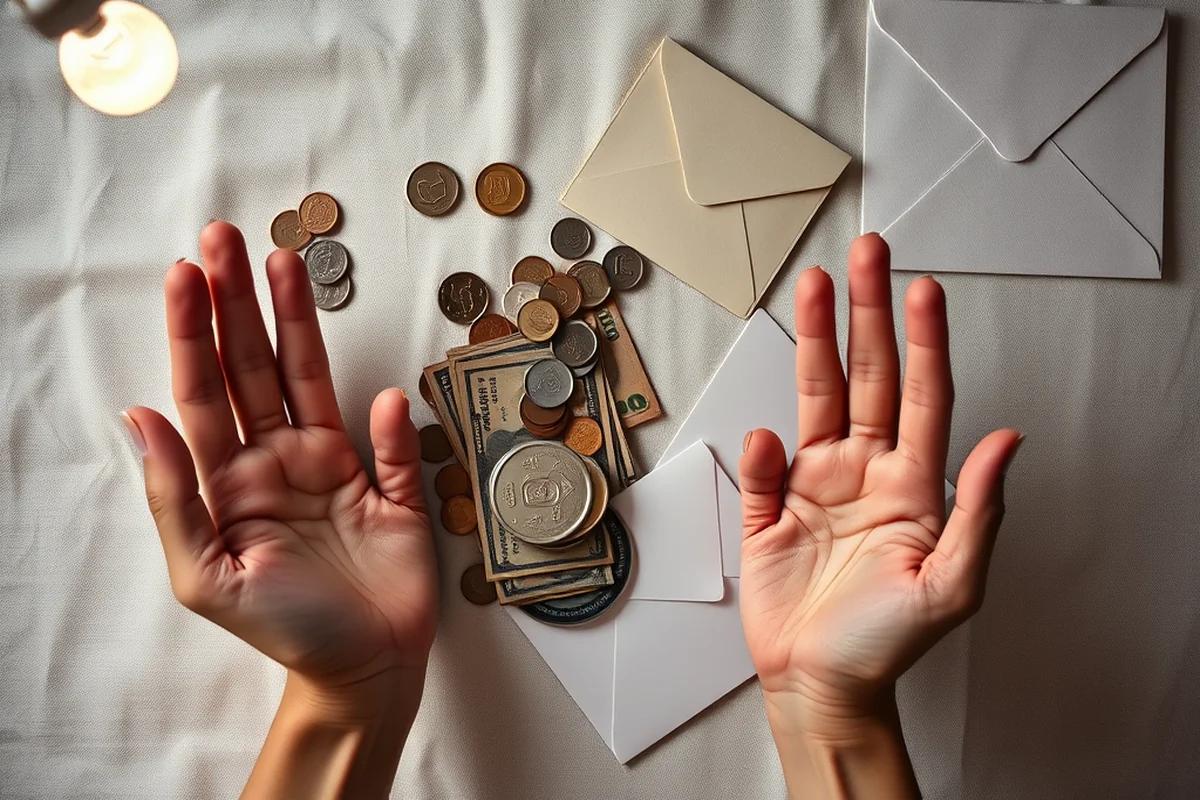
When I started dating someone, we had very different spending habits. He was always buying things on impulse, while I was more conservative. At first, we fought about money all the time. But once we started using cash envelope budgeting, everything changed. We split our expenses and created envelopes for shared costs like rent, utilities, and groceries. We also created envelopes for individual spending, like clothes and entertainment. This way, we both had a say in how we spent our money, and we were more transparent with each other.
We even started tracking our expenses in a shared notebook. Every time we took money out of an envelope, we wrote it down. That way, we could see exactly where our money was going, and we could make adjustments if needed. It was a bit awkward at first, but it helped us build a stronger financial relationship. We were no longer fighting about money—we were working together to manage it.
One of the biggest benefits of using cash envelope budgeting as a couple is that it helps you stay on the same page financially. You’re both aware of where your money is going, and you’re both making decisions that reflect your shared goals. It’s not about controlling each other—it’s about working together to build a better financial future.
Related: Cash envelope budgeting real for small spaces
Cash Envelope Budgeting for Beginners: Start Small and Stay Consistent
If you’re just starting out with cash envelope budgeting, don’t feel like you need to set up a dozen envelopes right away. Start with a few of the most important categories—like groceries, rent, and transportation. That way, you can get a feel for the method without getting overwhelmed.
I remember my first time trying it, and I only used three envelopes: groceries, transportation, and savings. I didn’t even use a separate envelope for entertainment or shopping. It was a bit overwhelming at first, but I found that I was more consistent with my spending once I had a system in place. I also made sure to track every dollar I took out of an envelope, just to stay on top of my budget.
As I got more comfortable with the method, I added more envelopes for different categories. I even created a special envelope for unexpected expenses, like car repairs or medical bills. That way, I was prepared for any surprises, and I didn’t have to worry about dipping into my savings. The key is to start small, stay consistent, and build up as you go.
💰 Tight Budget
For those on a tight budget, cash envelope budgeting helps you allocate every dollar with precision and avoid overspending.
🚀 Aggressive Payoff
If you want to pay off debt quickly, cash envelope budgeting helps you cut unnecessary expenses and redirect funds toward debt repayment.
📈 Irregular Income
For freelancers or gig workers, cash envelope budgeting helps you manage fluctuating income and stay on track with your financial goals.
👫 Couples
Cash envelope budgeting can help couples build a shared financial system and make better money decisions together.
🌱 Beginner
New to budgeting? Cash envelope budgeting is a simple, hands-on method that helps you get started with confidence.
| The mistake | Why it happens | The fix |
|---|---|---|
| Putting too much money in one envelope | If you put too much cash in one envelope, you’re more likely to overspend in that category. It’s important to set realistic limits based on your income. | Start with a smaller amount in each envelope, and adjust as you go. You can always add more money later if you need to. |
| Not tracking your spending | If you don’t track your spending, you won’t know where your money is going. This can lead to overspending and make it harder to stay on track with your budget. | Use a notebook or a simple app to track your spending. Just write down the amount, category, and date each time you spend money. |
| Using cash for everything | While cash is great for controlling your spending, it’s not always practical for large purchases or unexpected expenses. You may end up using your savings for things you didn’t plan for. | Use cash for everyday expenses, but keep a credit card or a separate savings account for emergencies or large purchases. |
| Giving up too quickly | Cash envelope budgeting can be challenging at first, especially if you’re used to spending freely. If you give up too quickly, you won’t see the benefits of the method. | Stay consistent and give it a few weeks to see the results. Once you start seeing the benefits, it becomes easier to stick with it. |
Related: Cash envelope budgeting real printable
Cash Envelope Budgeting Real Ideas
Related: Simple cash envelope budgeting real
Common Questions
How do I track my spending without an app?
What if I run out of cash in an envelope?
Can I use cash envelope budgeting for irregular income?
How long does it take to see results?
References
- INVEST IN QUBE MONEY - Cash envelope banking ... - SEC.gov (sec.gov)
- A Financial Empowerment Toolkit for Workers (files.consumerfinance.gov)
Cite this guide
EnvelopeCash (2026). Cash Envelope Budgeting Real Ideas. https://envelopecash.com/cash-envelope-budgeting-real-ideas/
Feel free to cite or share this guide.