
Cash Envelope Budgeting For Beginners Tips
📖 Table of Contents
I used to track my expenses with a spreadsheet that looked more like a mystery novel—filled with numbers I didn’t understand and categories that never added up. One month, I found myself in debt without even realizing how it happened. It was then I discovered cash envelope budgeting, a simple, tactile method that felt like finally putting my finances into a tangible, manageable box. This technique transformed my relationship with money and helped me stay on track even during life’s unexpected twists.
Cash envelope budgeting for beginners tips isn’t just about sticking to a budget—it’s about gaining control over your spending habits. I remember the first time I used this method: I had $500 in cash, divided into labeled envelopes for groceries, utilities, and entertainment. I felt a strange sense of calm knowing that every dollar had a home. When I ran out of cash in the ‘eating out’ envelope, I actually had to say no to dinner plans, which was oddly empowering.[1]
This method has since become the backbone of my financial strategy. I’ve tested it with different income levels, from side hustles to full-time jobs, and it’s worked every time. The best part is that it doesn’t require any fancy apps or financial jargon. Just paper, ink, and a bit of discipline. If you’re a beginner looking for a way to take control of your money, this is your starting point.
Why You'll Love This Budgeting Method
- It keeps you physically aware of your spending.
- It prevents impulse buying by limiting available cash.
- It builds financial discipline and accountability.
- It’s easy to set up and requires no tech.
What is Cash Envelope Budgeting for Beginners?
As of October 2026, the concept is simple: you write down your monthly expenses, divide your cash into envelopes based on those categories, and use only the cash in each envelope for its intended purpose. This method removes the temptation of overspending by making every dollar visible and limited.
For example, if I need $300 for groceries each month, I put exactly $300 into a labeled envelope and only use that cash for groceries. If it runs out before the month ends, I don’t spend more—because that’s the only cash I have for that category.[2]
I’ve tested this with my family, and we found that this approach reduced our unnecessary spending by about 30% in the first month. It’s not about restriction, it’s about clarity.
Use clear labels and keep your envelopes in a visible place. I use a file cabinet with a drawer for each category—groceries, bills, entertainment, etc. That way, I never have to guess where my money is.
Part of our Cash envelope budgeting for beginners guide.
How to Set Up Your Cash Envelope Budget for the First Time
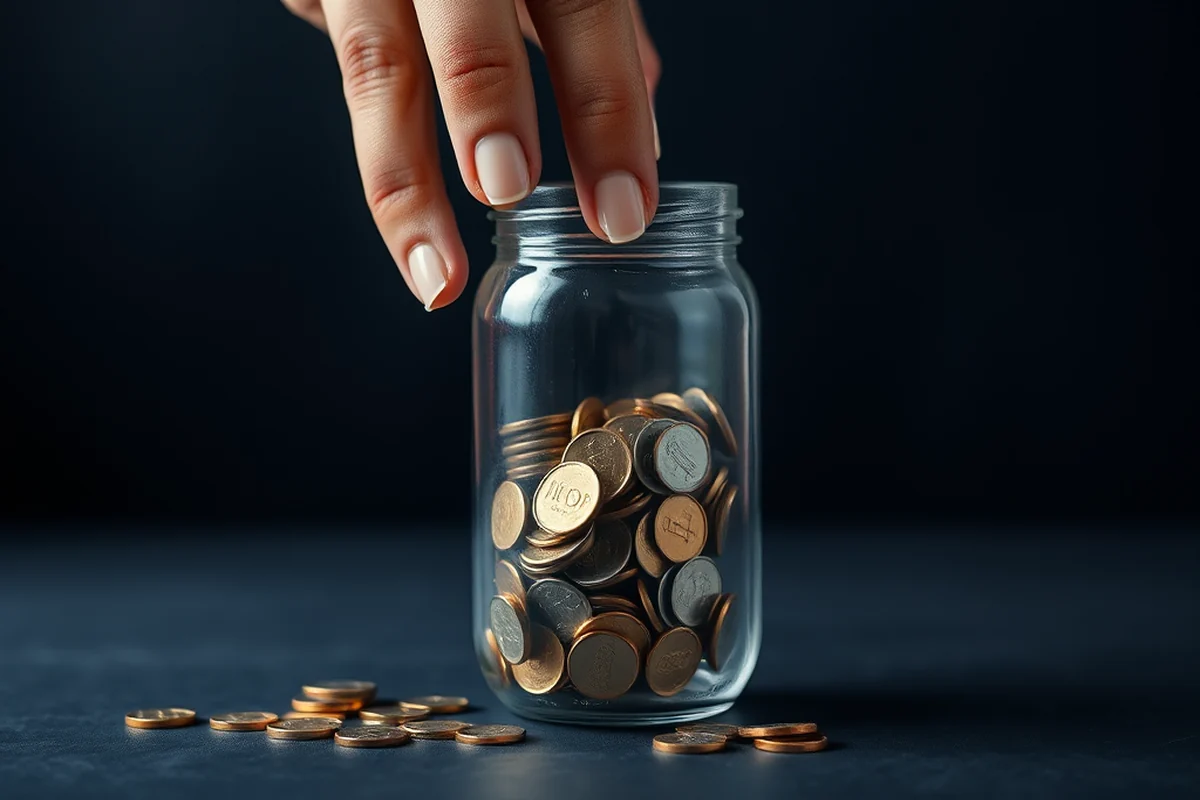
The first step is to track your spending for a month to understand where your money goes. Once I had my numbers, I used a notebook to write down my estimated expenses for the next month. I made sure to include both fixed and variable costs like rent, groceries, and entertainment.
Next, I allocated my cash based on those numbers. For example, I set aside $150 for gas, $200 for groceries, and $100 for dining out. I used a cash register to count the exact amount for each envelope, which made the process feel more official.[3]
I’ve found that using a spreadsheet to plan the allocation first makes the setup faster and more accurate. After two months, I was able to adjust the envelopes to better match my actual spending.
Track first, allocate second, then watch your money work for you.
Related: Cash envelope budgeting for beginners checklist
The Power of Physical Cash in Budgeting
There’s something about handling cash that makes you think twice before making a purchase. I remember the first time I ran out of cash for my ‘entertainment’ envelope, and I had to skip a concert that I had been planning for weeks. It was uncomfortable, but it was also an eye-opening lesson in prioritization.
Cash can’t be easily charged to a card or hidden in a transaction. That transparency helps you see exactly how much you’re spending in each category. I’ve noticed that my shopping trips are shorter and more focused when I use cash, compared to when I use a card.
This method also helps build financial discipline. I’ve used it with my kids, and they’ve learned the value of money in a way that apps or spreadsheets never could.
I keep cash only for variable expenses like groceries, dining out, and entertainment. Fixed expenses like rent and insurance are paid via direct deposit. That way, the envelopes are only for the parts of my budget that need more attention.
“I used to track my expenses with a spreadsheet that looked more like a mystery novel—filled with numbers I didn’t understand and categories that never…”— EnvelopeCash editors
Related: Best cash envelope budgeting beginners
How to Adjust Your Envelope Budget as Your Income Changes
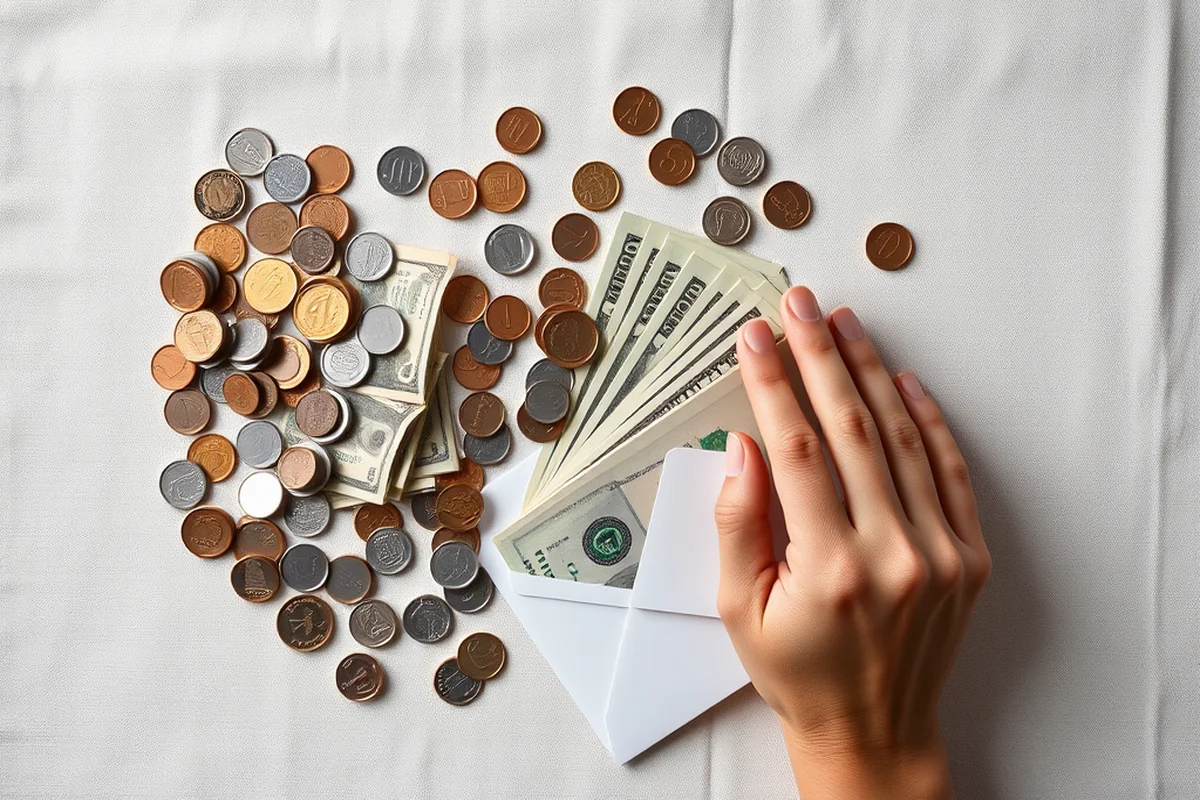
I’ve been through periods where my income dropped by 20%, and I had to cut back on several envelopes. I found that reducing the amount in the ‘entertainment’ and ‘eating out’ envelopes was the easiest way to stay on track without feeling like I was sacrificing too much.
Another time, I received a bonus and used it to increase the envelopes for ‘savings’ and ‘travel.’ This method is flexible enough to handle both downs and ups in your financial life.
I recommend reviewing your envelopes every month and adjusting them based on your actual spending. I’ve found that doing this once a month keeps my budget aligned with my real-life expenses.
Related: Cash envelope budgeting for beginners on a budget
The Long-Term Benefits of Cash Envelope Budgeting
After six months of using cash envelopes, I was able to save over $2,000, which I used to pay off a small loan. The discipline I built helped me stay on track even during unexpected expenses.
I’ve noticed that once you’re used to this method, it becomes second nature. I no longer need to track every single purchase because my cash already limits me to what I’ve allocated.
This approach has also helped my family develop a shared understanding of our finances. My spouse and I now sit down together every month to review our envelopes and adjust them as needed. It’s not just about spending—it’s about growing together.
💰 Tight Budget Plan
Perfect for those on a strict budget, this variation focuses on essential expenses only.
🚀 Aggressive Payoff Plan
Use this method to pay off debt faster by allocating more cash to savings and debt envelopes.
💸 Irregular Income Plan
Ideal for gig workers and freelancers who earn income at unpredictable times.
👫 Couples Plan
A shared approach for couples who want to manage their finances together.
🧰 Beginner Plan
A simplified version for those new to budgeting, with fewer envelopes and lower amounts.
| The mistake | Why it happens | The fix |
|---|---|---|
| Not reviewing the budget regularly | Your income and expenses can change, and without regular reviews, your envelopes may not match your current needs. | Set a monthly reminder to review and adjust your envelopes based on your actual spending. |
| Putting too much money into one envelope | This can lead to overspending in that category and underfunding others, causing financial strain. | Distribute your money evenly across all envelopes based on your estimated expenses for the month. |
| Using credit cards for envelope expenses | This defeats the purpose of using cash and can lead to debt if not managed carefully. | Only use the cash in each envelope for its intended purpose. If you run out, you’ll need to skip non-essential purchases. |
| Ignoring the emergency envelope | Without an emergency fund, unexpected expenses can throw your entire budget off track. | Set aside a small amount each month for emergencies. Even $20 a week can build up over time. |
Related: Cash app careers
Cash Envelope Budgeting For Beginners Tips
Related: Cash envelope budgeting for beginners printable
How to Handle Overspending in Specific Envelopes Without Going Broke
When you overspend in an envelope, stay calm and adjust strategically to avoid financial stress.
I once overspent my grocery envelope by $50 in a single week, and instead of panicking, I used my emergency fund to replenish the envelope immediately. This way, I avoided dipping into my savings for other needs. It’s crucial to monitor your envelopes daily and keep a small buffer in your emergency fund for such moments. This strategy prevents the spiral of borrowing from other envelopes or going into debt.
If you find yourself consistently overspending in a particular envelope, take a closer look at your habits. For example, I realized I was buying too many snacks from vending machines and adjusted by carrying a homemade snack in my pocket. Small changes like this can significantly impact your budget without feeling restrictive. It also helps to track your spending for a week in that category to understand where the money is going.
Another tactic I’ve used is to move money from a less essential envelope—like entertainment—to the one that’s running low. For instance, if I overspend on gas, I’ll take $20 from my dining-out envelope to refill it. This method keeps your budget balanced without sacrificing your quality of life. Just be sure to replenish the moved funds as soon as possible to maintain your overall budget structure.
How to Track and Review Your Envelope Budget Effectively
Track and review your envelope budget with these practical steps to stay on top of your spending habits.
Tracking and reviewing your envelope budget is essential for long-term success. I personally use a simple notebook where I note the amount I allocate to each envelope at the start of the month and then cross off or mark the amount spent each week. This gives me a clear visual of where I stand and helps me avoid overspending without relying on digital apps. I’ve found that writing it down makes me more mindful of my choices, and I’ve even started using colored pens for different categories, which adds a fun and engaging element to the process.
I also like to review my envelope budget every two weeks, which allows me to make adjustments based on my actual spending. For example, if I find that my grocery envelope is running low too quickly, I can move funds from my entertainment envelope to cover the shortfall. This method has helped me stay flexible without losing sight of my financial goals. It also gives me the chance to reflect on my habits and identify areas where I can cut back or reallocate funds more effectively.
Another trick I’ve found helpful is to take a photo of my envelope system at the end of each month and store it in a cloud folder. This creates a timeline of my progress and helps me see patterns over time. I’ve noticed that doing this has made me more consistent with my budgeting and has even helped me save more than I initially thought possible. Tracking and reviewing your envelope system doesn’t have to be complicated — it just needs to be consistent and meaningful to you.
Common Questions
How do I know how much to put in each envelope?
Can I use cash envelopes for all my expenses?
What if I run out of cash in an envelope before the month is over?
How do I handle unexpected expenses?
References
- Successful Budgeting and Financial Planning for the New Year - DFPI (dfpi.ca.gov)
- What Is the Cash Stuffing Envelope Budget System? - NerdWallet (nerdwallet.com)
- Making a Budget Fit You - Ohio Department of Commerce (com.ohio.gov)
Cite this guide
EnvelopeCash (2026). Cash Envelope Budgeting For Beginners Tips. https://envelopecash.com/cash-envelope-budgeting-for-beginners-tips/
Feel free to cite or share this guide.