
Cash Envelope Budgeting Step By Step Guides For Beginners
📖 Table of Contents
When I first tried to get my finances under control, I felt overwhelmed by all the options and jargon. I had no idea where to start, and every budgeting method I looked into felt too complicated or too vague. That’s when I stumbled upon cash envelope budgeting—a simple, tangible approach that finally made sense. It helped me cut through the noise and focus on what really mattered: spending my money on what I actually needed.[1]
The beauty of cash envelope budgeting is that it’s not just a theory. It’s a system you can build with real cash, real envelopes, and real choices. I remember the first time I split my paycheck into different envelopes—each one labeled for groceries, rent, bills, and savings. It felt empowering to see my money laid out in front of me, and I started making better choices without even realizing it.[2]
Over time, I’ve refined my approach to cash envelope budgeting, and I’ve learned that it’s not just for beginners. It works for people with irregular incomes, couples, and even those trying to pay off debt. This step-by-step guide is the result of years of trial, error, and real-life experiences. Whether you’re brand new to budgeting or just looking for a fresh approach, this guide will help you get started.[3]
Why You'll Love This Cash Envelope Budgeting Guide
- It’s tangible and easy to understand—no confusing apps or spreadsheets required.
- You’ll avoid overspending by physically limiting your cash to each category.
- It helps you prioritize your spending and track your money in real time.
- It’s customizable to fit any income level, lifestyle, or financial goal.
What Is Cash Envelope Budgeting?
As of October 2026, the idea is simple: separate your cash into envelopes, each for a specific category like groceries, utilities, or entertainment. When you run out of money in an envelope, you stop spending in that category until the next cycle.[4]
I started with just a few envelopes—rent, bills, and groceries. It was a revelation to see exactly how much I had to spend in each category and not have to rely on estimates or guesswork.
This method is especially useful for people who want to avoid the temptation of credit cards or online shopping. It’s a way to bring your budget into the real world, where you can physically see and feel your money.
Begin with the most important categories like rent, utilities, and groceries. As you get comfortable, add more envelopes for savings, entertainment, and other expenses.
Part of our Cash envelope budgeting step by step guides guide.
How to Set Up Your Cash Envelope Budget
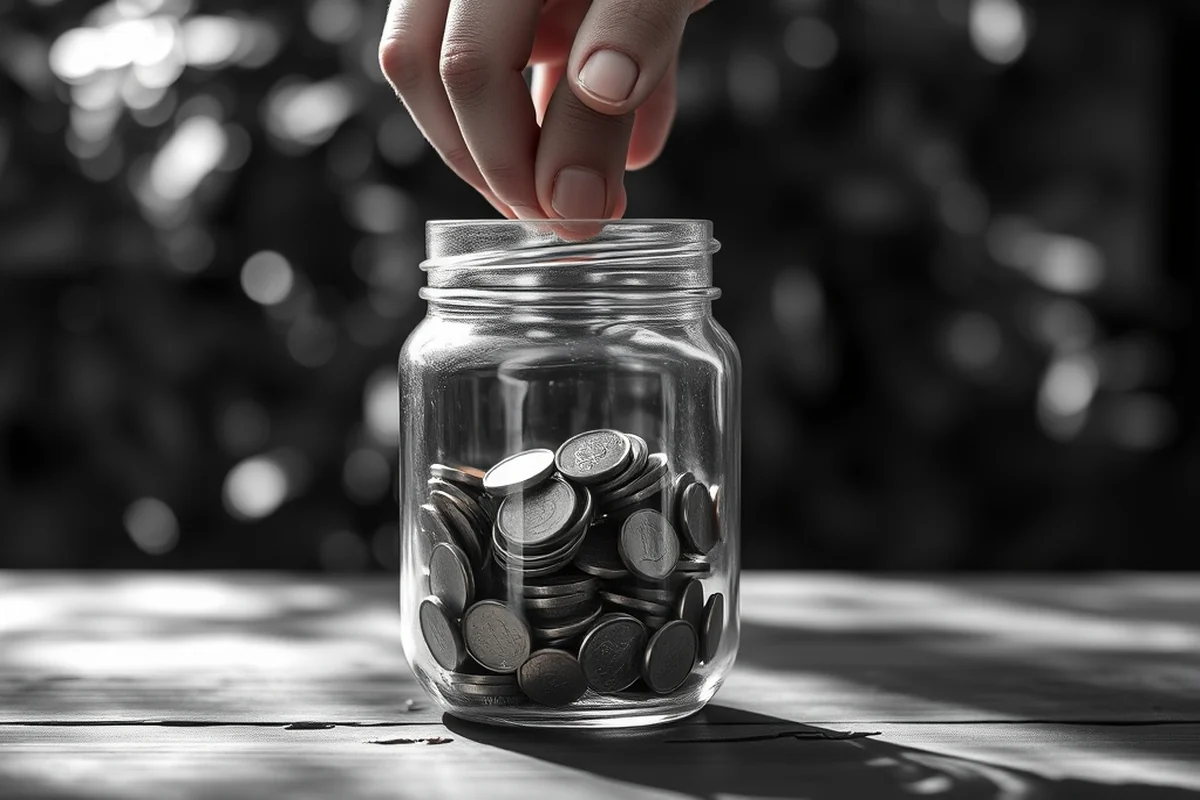
First, track your income and expenses for a month to get a clear picture of where your money goes. I used a notebook for the first month, which helped me understand my spending habits better.
Next, allocate your cash into envelopes based on your needs. I used a calculator to determine how much I needed to put in each envelope for my essential expenses. This helped me avoid overspending and stay on track.
Finally, keep your envelopes in a secure place like a drawer or a small box. I keep mine in my bedroom closet, and it’s become a habit to check them weekly.
Start with a clear picture of where your money goes.
Related: Cash envelope budgeting step printable
Why Cash Envelope Budgeting Works for Beginners
One of the biggest advantages of this method is that it eliminates the need for apps or spreadsheets, which can be overwhelming for new budgeters. I found that using physical cash helped me stay more accountable and avoid overspending.
It also teaches budgeting fundamentals like prioritizing expenses and avoiding unnecessary spending. I realized quickly that I was overspending on things like takeout and entertainment, and I was able to make changes right away.
The simplicity of this method makes it a great starting point for anyone who wants to take control of their finances without getting bogged down by complex systems.
Before you start putting money into envelopes, track your spending for at least a month to understand your habits. This will help you allocate cash more accurately.
“When I first tried to get my finances under control, I felt overwhelmed by all the options and jargon.”— EnvelopeCash editors
Related: Simple cash envelope budgeting step by step guides
How to Handle Irregular Income with Cash Envelope Budgeting

If your income varies from month to month, you’ll need to be flexible with your envelopes. I used to work in a gig economy, and I would adjust the amount in each envelope based on how much money I had that month.
For example, if I had a higher income one month, I would increase the amount in my savings and investment envelopes. If I had a lower income, I would focus more on essentials like rent and utilities.
This method works because it’s adaptable. You can adjust your envelopes as needed, and it still gives you the structure and control you need to manage your money effectively.
Related: Simple cash envelope budgeting guides
The Benefits of Using Cash Envelope Budgeting for Couples
When I started using this method with my partner, we found it helped us communicate better about our spending habits. We could see exactly where our money was going and make decisions together.
It also helped us avoid arguments over money by keeping our spending more transparent and predictable. We set up joint envelopes for shared expenses like rent and bills, and individual envelopes for personal spending.
This approach worked so well that we stuck with it for over two years and managed to save a significant portion of our income. It’s a great way to build financial trust and work toward shared goals.
💰 Tight Budget Envelope Plan
Ideal for people with low income, this plan focuses on essential expenses like rent and food, with minimal envelopes and strict limits.
🚀 Aggressive Payoff Plan
Designed for those who want to pay off debt quickly, this plan emphasizes high savings and low discretionary spending.
📊 Irregular Income Envelope Plan
Perfect for freelancers or gig workers, this plan allows for monthly adjustments to accommodate fluctuating earnings.
🤝 Couples Envelope Plan
A shared approach for couples, this plan includes both joint and individual envelopes to manage expenses and personal spending.
🎓 Beginner Envelope Plan
A simplified version of the method for those new to budgeting, focusing on a few key envelopes and easy-to-follow steps.
| The mistake | Why it happens | The fix |
|---|---|---|
| Not tracking expenses before starting | If you don’t know where your money is going, you won’t be able to allocate cash properly in your envelopes. | Track your spending for at least one month before setting up your envelopes. This will help you understand your habits and make more accurate allocations. |
| Filling envelopes too generously | Allocating too much money into your envelopes can lead to overspending and defeat the purpose of the system. | Be realistic about your expenses and only put in the amount of money you know you’ll need. Adjust as needed based on your actual spending. |
| Ignoring the envelopes | If you don’t check your envelopes regularly, you might end up overspending and not notice the problem until it’s too late. | Set a schedule to check your envelopes, such as once a week, to stay on top of your spending and make adjustments as needed. |
| Not adjusting for irregular income | If you don’t adjust your envelopes each month, you might end up with too much money in some envelopes and not enough in others. | Review your income and expenses each month and adjust your envelopes accordingly. This will help you stay balanced and avoid financial stress. |
Related: Best cash envelope budgeting guides
Cash Envelope Budgeting Step By Step Guides For Beginners
Related: Budget cash envelope budgeting step
How to Adjust Your Cash Envelope Budget as Your Needs Change
As your life evolves, so should your cash envelope budget. Here's how to adapt without losing control.
Life changes — new jobs, family additions, or unexpected expenses — and your budget should keep up. I once had to adjust my envelopes when I started freelancing with irregular income. I began setting aside a 'flexible fund' envelope for unpredictable expenses, which helped me avoid stress during lean months. This approach lets you stay grounded while remaining adaptable. It’s a balance between rigidity and flexibility, ensuring you don’t lose sight of your financial goals.
When I moved into a new apartment, I had to reallocate funds from my 'entertainment' envelope to cover higher rent. This taught me the importance of reviewing my envelopes at least once a month. I now use a spreadsheet to track how much I spend in each category and adjust envelopes accordingly. This habit has made it easier to see where I’m overspending and where I can cut back without feeling restricted.
Another adjustment I made was adding a 'savings' envelope for emergencies. I found that having a physical cash reserve gave me a greater sense of security than just seeing numbers on a screen. It also helped me avoid dipping into my savings for non-essential purchases. By making these small but thoughtful changes, I’ve been able to keep my cash envelope system relevant and effective as my life has changed over the years.
Tracking and Reviewing Your Envelopes: A Key Step Often Overlooked
I once spent weeks meticulously setting up my cash envelopes, only to realize I hadn't tracked my spending properly. Without tracking, I couldn't see where my money was going, and my budget quickly fell apart. I started using a simple notebook to record each envelope’s usage every week, which helped me identify overspending in categories like dining out and groceries. Tracking also made me more aware of my habits, like impulse buys at the store, which I could then adjust for next time.
Reviewing your envelopes every month is just as important as setting them up. I found that setting aside 30 minutes at the end of each month to go through my notes and compare my spending against my allocations helped me stay on track. It also allowed me to tweak my budget as my expenses changed, like when my rent increased or I started eating out more frequently. This review process became a habit that kept my finances in check and gave me a sense of control over my money.
The act of tracking and reviewing also helped me build better financial habits over time. I noticed that when I consistently tracked my envelopes, I was less likely to overspend and more likely to save. It also made me more thoughtful about where I allocated my money, which led to more intentional spending. Over time, this became a powerful tool for managing my money without the stress of constantly guessing where my cash was going.
Common Questions
Do I need to use physical cash for this method?
How often should I refill my envelopes?
What if I run out of money in an envelope before the cycle ends?
Can I use this method if I have a credit card?
References
- The Basics to Budgeting: Personal Finance Series (Part 1) (blogs.ifas.ufl.edu)
- Spend Some, Save Some, Share Some: Family Budgeting (bookstore.ksre.ksu.edu)
- Budgeting Basics Cash Flow Analysis Building Your ... - Bucks County (buckscounty.gov)
- Step-By-Step Guide on How to Make a Budget - CSUSB (csusb.edu)
Cite this guide
EnvelopeCash (2026). Cash Envelope Budgeting Step By Step Guides For Beginners. https://envelopecash.com/cash-envelope-budgeting-step-by-step-guides-for-beginners/
Feel free to cite or share this guide.